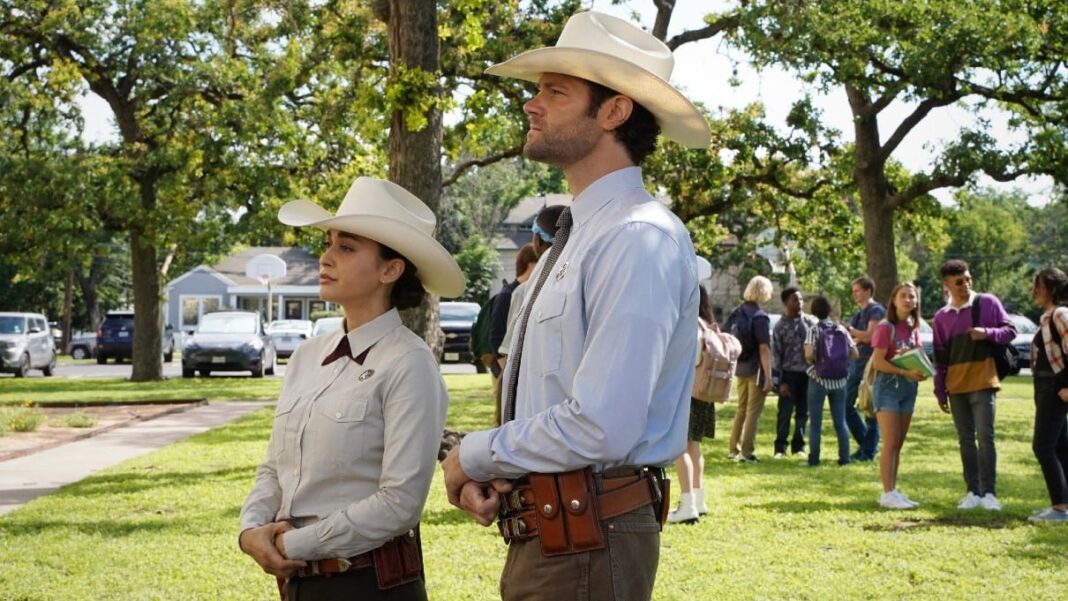

Texas Rangers, officially Texas Ranger Division, is a law enforcement agency in Texas vested with statewide jurisdiction. Since its inception, the agency has investigated various crimes, ranging from murders to political corruption. They also combated mass unrest, tracked down fugitives, were a security force in influential state institutions, and functioned as a paramilitary force of the Republic of Texas (later the State of Texas).
However, the story of the Texas Rangers is not only about heroic actions. It also has some moments that question the long-held beliefs about the rangers as noble men of law. While protecting the settlers, they also executed thieves without trial, sent Indian tribes away from their native lands and lynched Mexicans and Mexican Americans. Read more about the dark chapter in Texas Rangers’ history at houston-yes.com.
Who are the Texas Rangers?
The Texas Rangers is a unique unit that operates as a division of the Texas Department of Public Safety. The Rangers have jurisdiction over all of Texas, and their duties are similar to those of police officers or FBI agents.
The unit investigates unsolved crimes, tackles corruption, protects judges, etc. In appropriate cases, they cooperate with other law enforcement agencies, such as sheriff’s departments, federal agencies or the police. Rangers are granted with proper authority to run investigations and ensure the execution of the law.
Rangers can also be hired by judges during court hearings to maintain order and guard persons in court proceedings. State officials, if necessary, may require Rangers for security at elections or on any other occasion. In short, the members of the division serve as universal soldiers of the law.
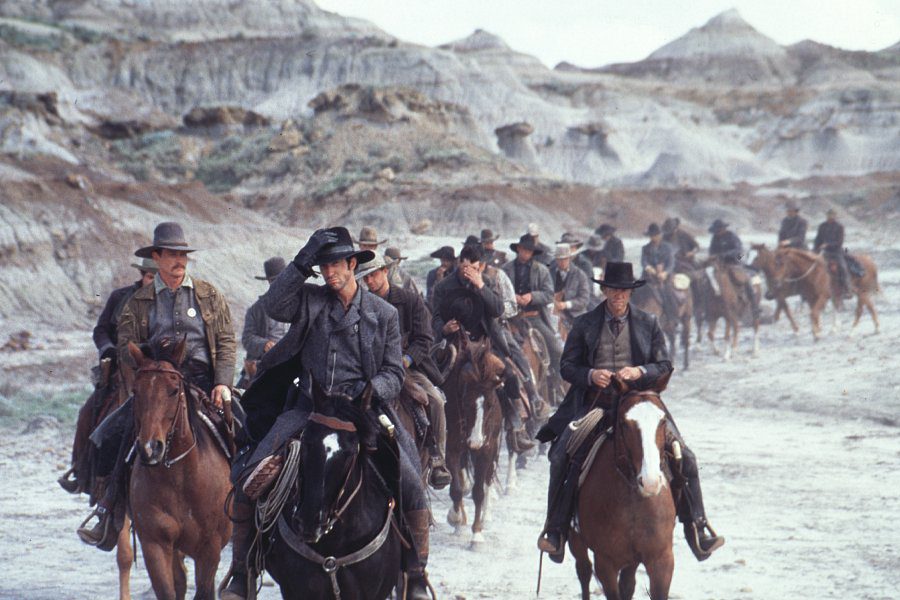
The Rangers do not have a special uniform, but over the years, they have developed a so-called Wild West style, which was realistically shown in the movie Texas Rangers. This style is characterized by a cowboy hat, boots and a wide belt.
The Rangers’ button badges depict a five-pointed Texas star in a wheel. However, early on, the badges were hidden in the pocket so as not to attract enemies’ attention.
Border guards
In 1823, politician Stephen F. Austin created the first division of 10 men to protect the people in his colony. Rangers joined patrol forces of the Mexican government, but Stephen paid them out of his own pocket.
New settlers seeking cheap land plots moved to Texas after the Revolution in 1836. Such population growth led to conflicts with American Indians. Rangers patrolled the roads and desert around the colony looking for “a group of thieves united by Indians.” Many of the men who became part of the division lived in Austin’s colony and thus believed they could safeguard their families from Indigenous folk’s attacks. Some Rangers saw the opportunity to take revenge on the Indians for their raids in the past.
During the War for Independence, Ranger troops patrolled the Texas borderline. The division was reorganized when the state was separated from Mexico, but its members continued to guard the perimeter. The Rangers also played a crucial role in ensuring security on the Texas-Mexico border during the 1840s. Each of them was equipped with a rifle, a pistol and a knife.
Fierce warriors
In 1845, Texas became the 28th state of the United States. The new boundaries erupted into war with Mexico. Rangers who joined the Mexican-American War (1846–1848) gained a reputation as brave soldiers. Their scouting and tracking skills helped quickly locate Mexican camps and guerrillas.
After the war, the Texas Rangers were associated with fierce warriors. The Mexicans called the American fighters “los diablos Tejanos”, translated as devilish Texans.
Nonetheless, developing a heroic reputation on the battlefield, they became an example of inappropriate behavior in the rear. Following the battle for the city of Monterrey, a group of Rangers burned down houses and killed about 100 civilians. Other division members stole whiskey and cattle from Mexican peasants.
Taking the offensive
When the war ended, the Rangers resumed picketing the border and hunting down cattle rustlers and American Indians, applying a more aggressive approach, though. Instead of simply responding to attacks, they traced the movements of the tribes and went on to the offensive.
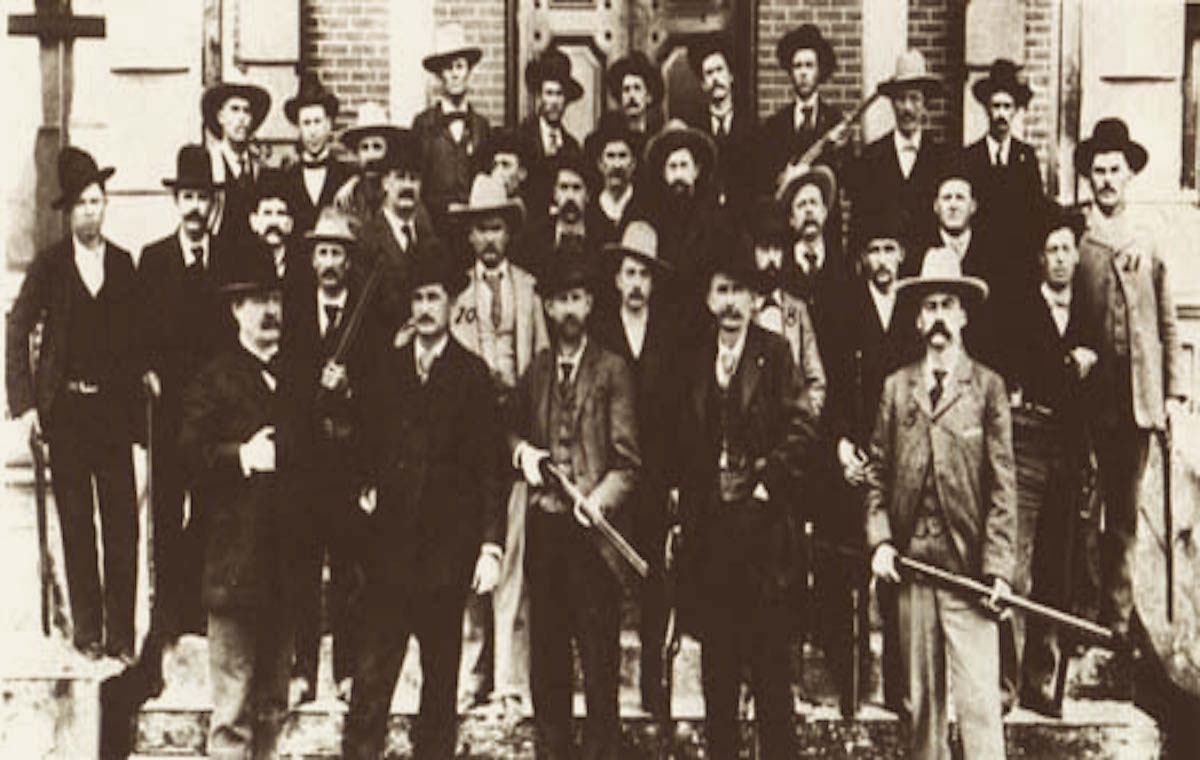
In 1858, Texas Ranger John Salmon “Rip” Ford led 100 Rangers in a 6-month campaign against the Comanche (one of the American nations). Along with the Tonkawa tribe, who were the enemies of the Comanche, the men crossed the border without permission and followed the Comanche to their permanent camp. There they killed 80 members of the tribe.
Prairie patrols
In 1874, the Texas legislature appointed the first permanent rangers. They chased off the last Comanche and Kiowa from the state with the help of the U.S. Army. The influx of new settlers to the border inevitably caused conflicts.
In 1877, there were several confrontations over control of the salt lakes near San Elizario city. The Rangers were ordered to keep the peace. At that time, they dealt with conflicts between ranchers who wanted to keep the pasture open and those who preferred to fence their land. They were called “prairie patrols” because of their frequent visits to the countryside.
Scandal on the border
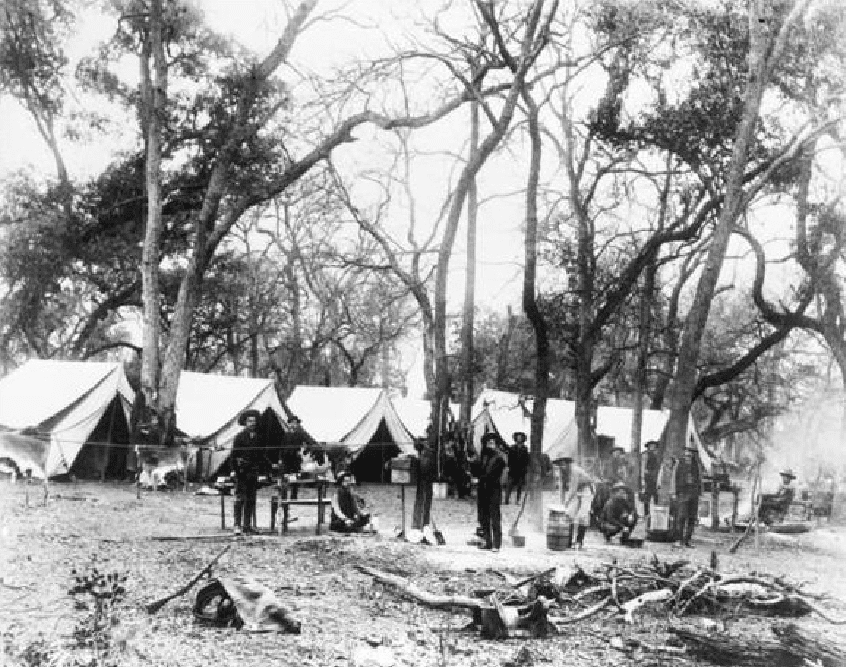
By the late 1910s, the Division had undermined public confidence due to violent incidents and frequent scandals. Hundreds of Rangers were sent to the border in 1915 to reduce tensions between Anglo-Mexicans and ethnic Mexicans. Once there, the “devilish Texans” began to lynch Mexicans and Tejanos (inhabitants of Texas with Creole or Mexican roots). They executed at least 300 “suspected Mexicans”.
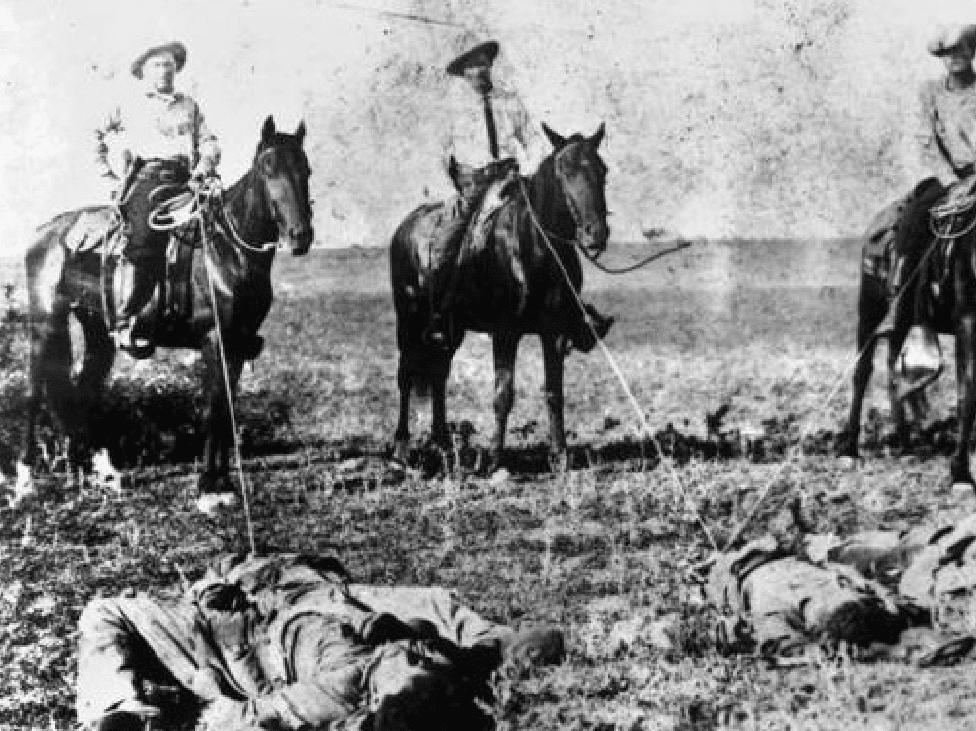
Such brutal force continued for several years. In 1919, several companies of regular rangers were disbanded, and more severe requirements were applied to the new and existing members.
Professional development
Under new management in the 1920s, the actions of the Rangers became more professional. They returned to their law enforcement duties, patrolling the frontier for smugglers and cattle snatchers.
In 1932, the Rangers made a grave political mistake that led to devastating consequences. They supported the current governor, Ross Sterling, instead of his opponent, Miriam Ferguson. Miriam won and then dismissed all the Rangers in the army. Thus, the men had to reinstate their ranks. Newcomers did not have time to learn their duties so quickly, so Texas witnessed an era of anarchy in the 1930s.
Yet, the Rangers continued to professionalize their fighters. In 1935, they were taken over by the Texas Department of Public Safety. They began to perform the role of detectives, while the duties of law enforcement officers were transferred to the highway patrol service.
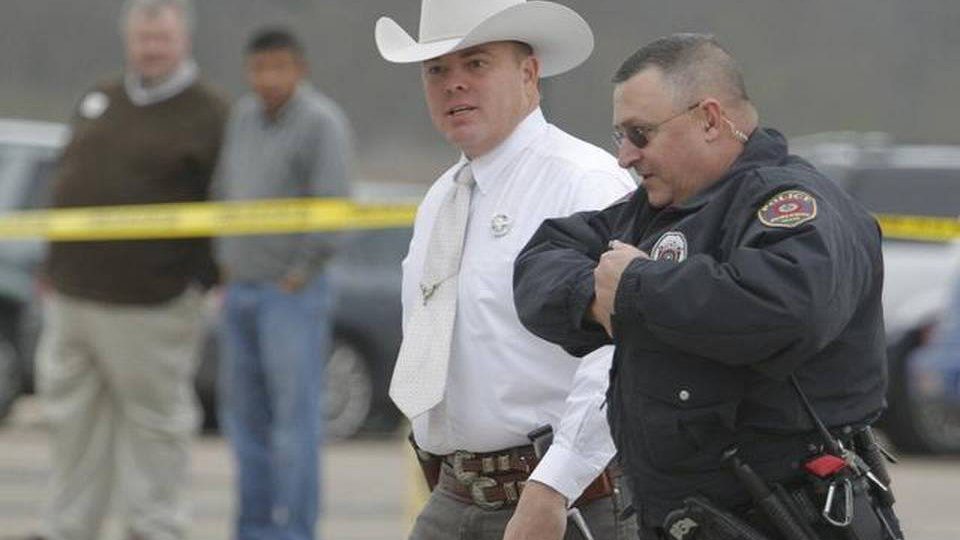
In nearly 200 years, the Rangers evolved from a small militia that guarded Austin’s colony to the official law enforcement agency of Texas. Their primary mission is to investigate some of the state’s most serious crimes and severe cases. In movies, Rangers are portrayed as noble lawmen who help those in need and administer justice. This romanticized image overshadows their dark history full of crimes.