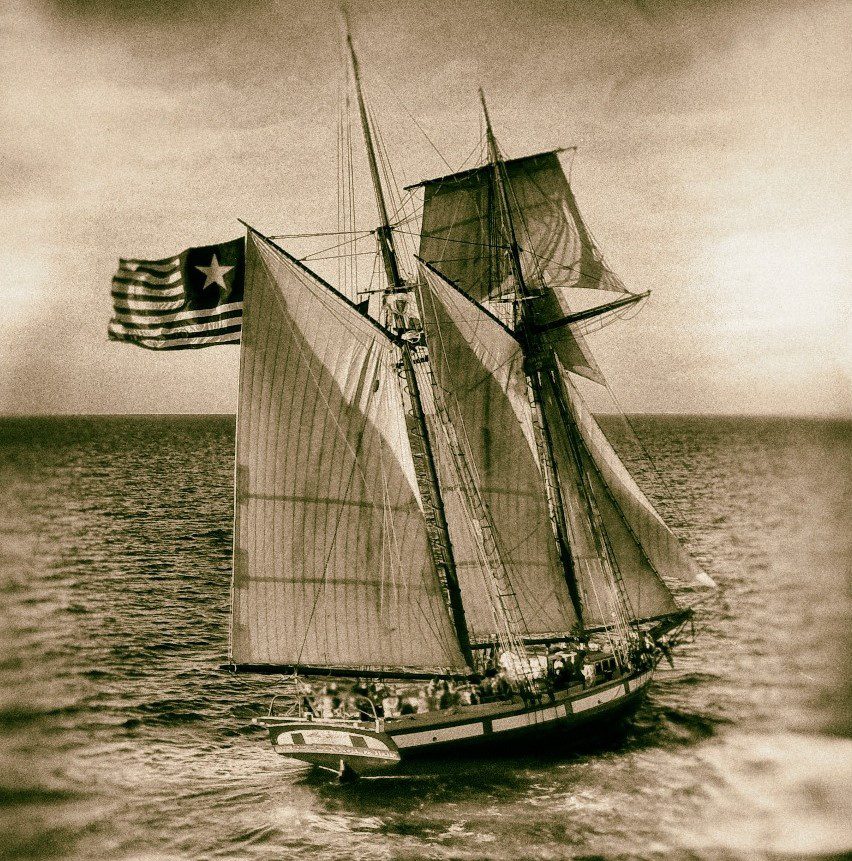

Naval forces have played an important role in most battles. In the fall of 1835, Texas began a revolution for independence from the Mexican Republic. On March 2, 1836, Texas was technically annexed. Due to temporary naval superiority and the successful actions of large maritime powers, the newly created Republic gained freedom and the subsequent unstable life. Learn more about the history of the Texas Navy at houston-yes.com.
Four regular schooners
On November 24, 1835, Texas was granted permission to create a Navy of four schooners. Since this year, the Navy of the Republic of Texas has existed, although, as already mentioned, its official independence was declared on March 2, 1836.
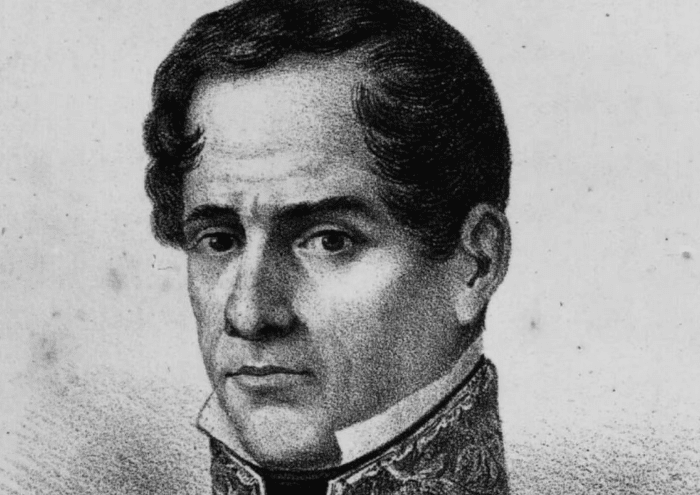
The first ship to be commissioned was the US Treasury cutter Ingham, which the Texans renamed Independence. Charles E. Hawkins, who became the unit commander of other ships acquired by the Republic, was the captain of the cutter. During the first three months of 1836, he seized several small coasting and fishing vessels while cruising about Galveston city and the Mexican Tampico. By doing so, Hawkins disrupted the critical sea communications of the army of the Mexican leader Antonio Lopez de Santa Anna.
The second ship was Brutus, roughly twice the size of Independence. Captain W.A. Hurd navigated it. Schooner William Robbins, renamed Liberty, was also acquired by the Texas Navy and commanded by W.S. Brown. His brother Jeremiah Brown was at the wheel of a fourth warship called the Invincible. Hurd and the Brown brothers were former owners of small vessels that sailed along the Texas coast. Owing to this experience, they became exceptional commanders.
Participation in the Texas Revolution
In March-April 1836, the four-ship fleet played a crucial role in Texas’ separation from Mexico. On March 3, Liberty schooner made a half-pirate raid to the Yucatan Peninsula, which separates the Gulf of Mexico from the Caribbean Sea. Liberty encountered the Mexican merchant ship Pelicano along the way and captured 300 barrels of powder and other military supplies hidden inside the cargo. The American brig Durango was also attacked by Liberty. During the same period, the ship Invincible took the United States vessel Pocket under control. The vessel was smuggling for the Mexican army.
Actions involving American ships were justified by the military needs but aroused enmity in the United States. When the Invincible entered New Orleans, Commodore Alexander J. Dallas ordered the arrest of its captain and crew on the counts of piracy. Although the charges were later dropped, the civil suit continued for several years.
The Republic of Texas, meanwhile, purchased the vessel Pocket and used it and its cargo against the Mexicans. Texans valued each ship, as the Mexican army stubbornly won the field in the early spring months.
Santa Anna’s Mexican forces were advancing north, intending to exploit the seaway canal. On April 21, 1836, Texas Army General Samuel Houston ordered his soldiers to retreat east of the Texas town of Gonzales. Such a strategic decision allowed him to better prepare the soldiers and gain victory in San Jacinto County. Santa Anna was taken prisoner. He could not escape and was trapped because he had to stay by the sea.
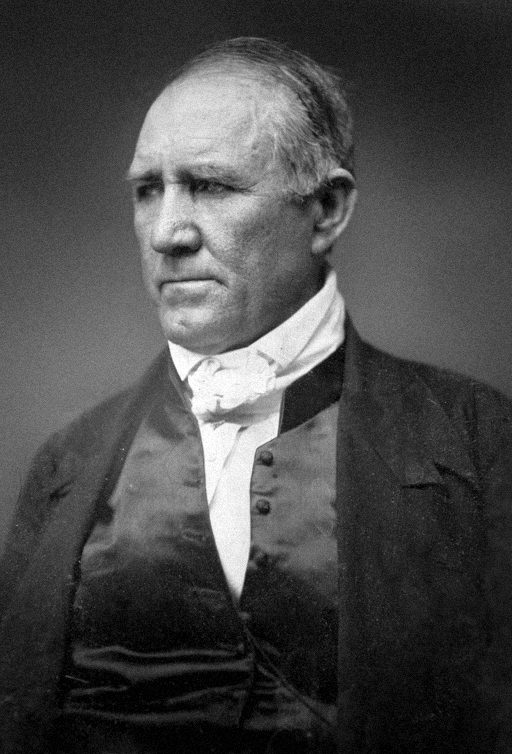
Being defeated at San Jacinto, the Mexican Navy withdrew from Texas. The enemy could not use the land route alone because of the impassable arid terrain in northern Mexico and southwestern Texas. Therefore, the struggle for the liberation of Texas culminated in success.
Defense of the newly created republic
After the captain of the Invincible warship informed the interim president of the Republic of Texas, David Burnet, about the victory at San Jacinto, the small fleet continued its operations along the Texas coastline.
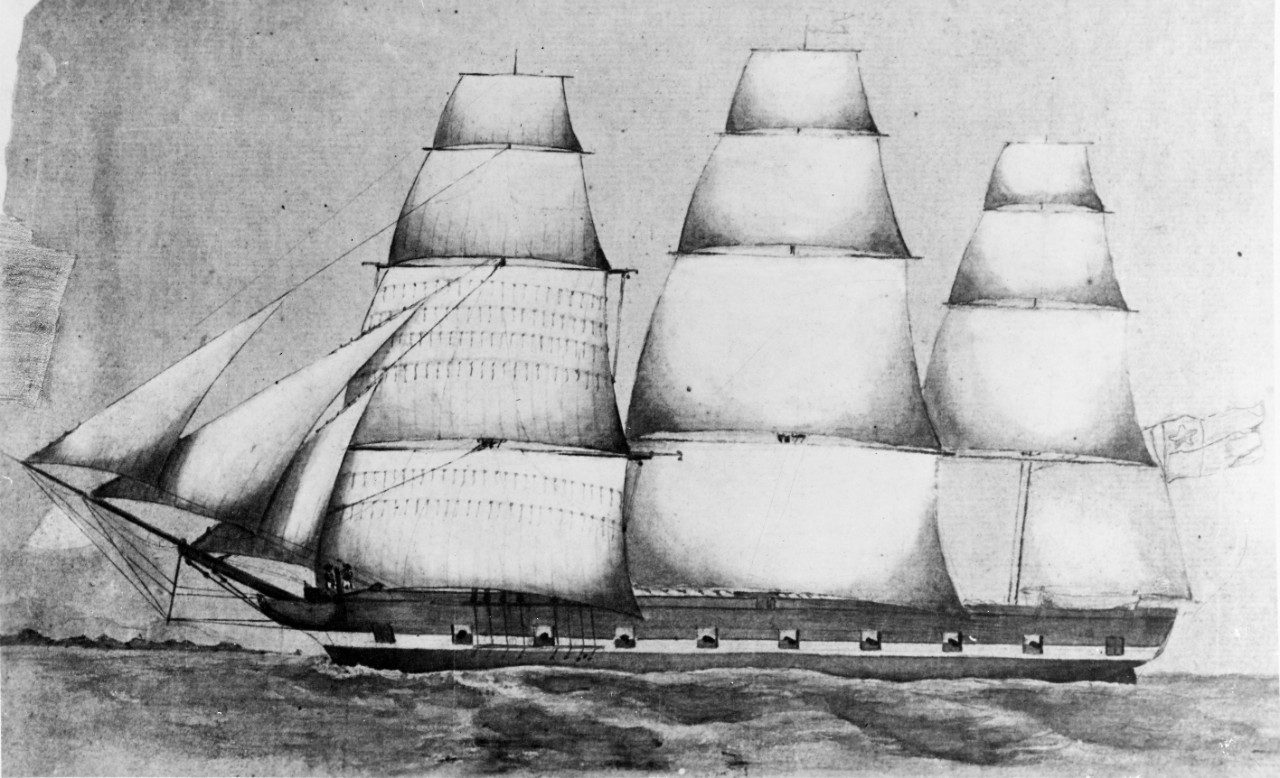
The Liberty schooner was escorted by another ship that was bringing the wounded General Sam Houston to New Orleans for hospitalization. While there, Liberty was unable to pay the refit bills and thus was subsequently sold.
The other three ships (Invincible, Brutus and Pocket) blockaded the Mexican city of Matamoros, preventing the Mexican army from returning to Texas. In early September 1836, all three schooners sailed to New Orleans or New York for major repairs. While the Texas warships were under repair, Mexico, by the spring of 1837, formed a squadron of three brigs and two schooners sieging Galveston and other Texas ports.
The Texas Navy sometimes managed to fight back the Mexican blockaders, so they were forced to retreat from the Texas shores for several weeks. At this time, the new republic received ammunition and new troops. The republic was still in a precarious position, but the Texas marine forces, despite its shortcomings, had a positive effect.
In 1838, Texas had no war crafts. There was no fleet until the Republic acquired the old merchant ship Potomac. It served as a station and receiving ship at Galveston. Since there were few available seamen, the Potomac had no purpose and was in constant need of repair. Texas, during this time, was insulated from hardships by circumstances that had nothing to do with the importance of the ship. In particular, Mexico experienced domestic concerns, thus, military forces were concentrated inside the country.
New fleet
While Mexico continued to refuse to recognise the independence of the Republic of Texas, a new president was elected here – Mirabeau Buonaparte Lamar. Mirabeau did not believe much that Mexico would attack and focused on the complete autonomy of Texas.
Lamar nurtured plans to create a capital city, a national bank and a public education system. He gained recognition among European politicians and supported the independence of Texas by raising different army units. He created a new navy with six first-class ships and a professional officer corps.
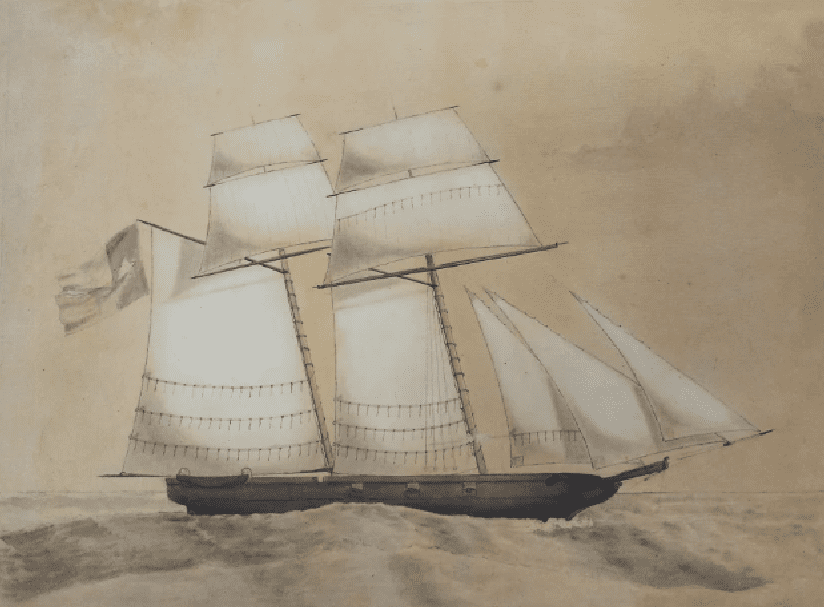
In addition to the new sailing vessels, Texas purchased the large paddle steamer Charleston in 1839, which allowed it to steer out in calm weather and on rivers. 29-year-old Edwin Ward Moore became the new commander-in-chief of the Texas Navy.
For three months, the Texas fleet was not active in military operations at sea. When the Mexican coastal battery opened fire on the boat from the flagship on October 20, 1840, the Texans struck the Achilles’ heel of Mexico, the Yucatán Peninsula. Since then, the Americans repeatedly carried out maritime operations to protect and defend their coast.
On December 29, 1845, Texas officially became the 28th state of the United States. All of the ships were then transferred to the United States Navy. However, due to their poor condition, they became unusable by 1848. After Texas became part of the United States, the nation found itself embroiled in its own war with Mexico. This time, sea power became the key to victory again. In addition to conquering the seas, enemy ports in the Gulf of Mexico and California were successfully attacked by landing troops. The Navy cooperated with the army to achieve victory in the country’s first large-scale battle on foreign land.