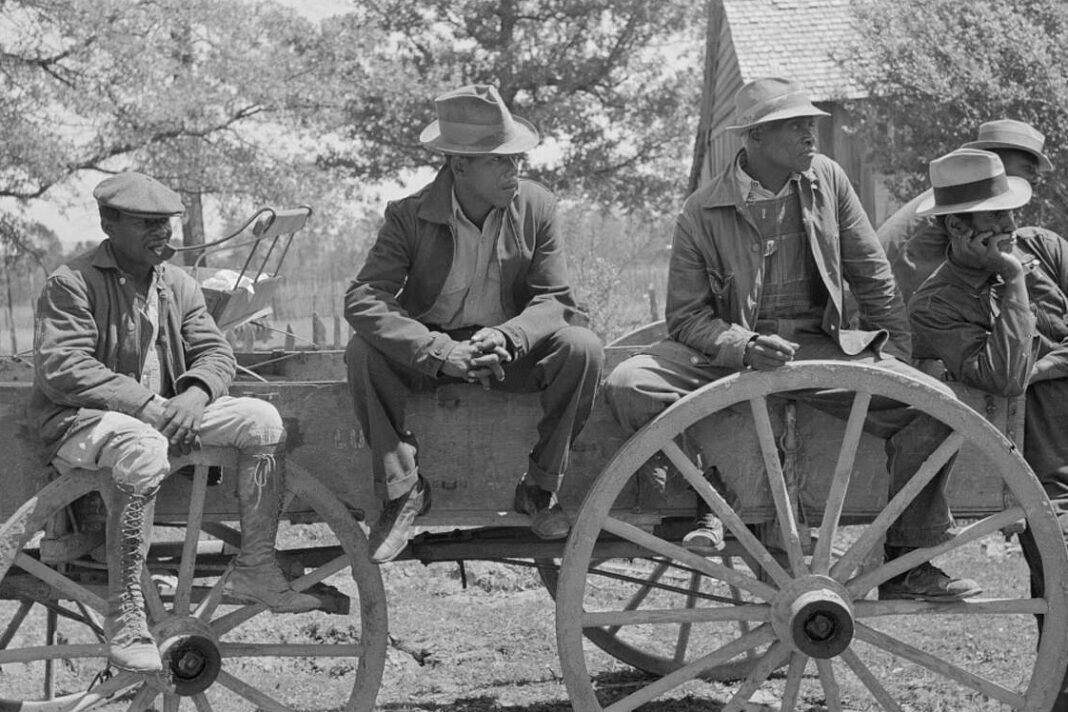

On the eve of the Great Depression, a global economic crisis that lasted from 1929 to the late 1930s, most Texans lived on farms, ranches or in small towns. Although over the previous decade, residents of the state managed to achieve success in oil production, agriculture was the primary source of economic stability in the state. Cotton was grown in the north, livestock was raised in the west and citrus fruits were actively cultivated in the south.
The stock market crashed in 1929, but Texans still believed that thanks to the state’s countryside they would keep away from the financial crisis. As the national economy collapsed it became evident that Texas would suffer as well. The agricultural, oil and timber industries all suffered as a result of the economic downturn. Find out what steps were made to solve the problems and how the Second World War improved the situation at houston-yes.com.
Roosevelt’s New Deal
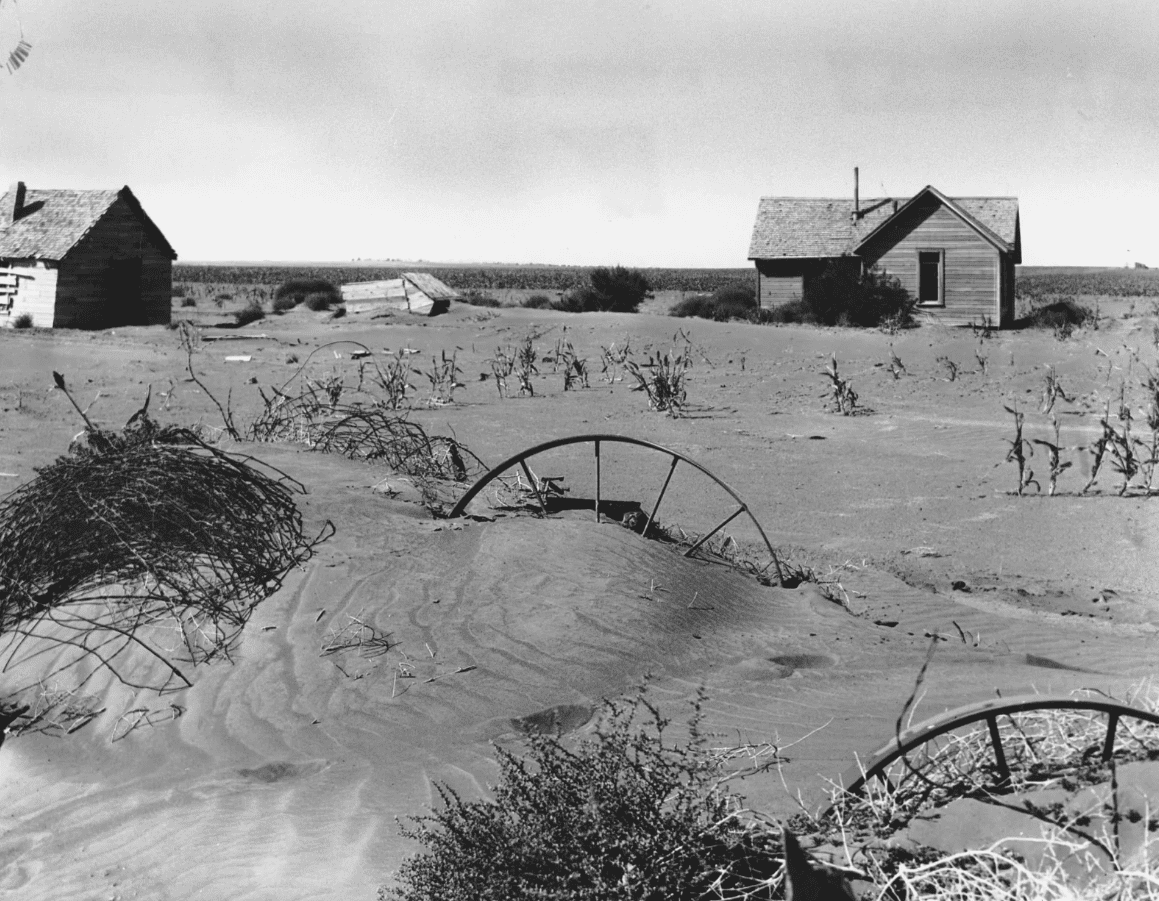
In the second half of the 1930s, South Texas plains were devastated by a severe drought. The Texas Panhandle region was especially hard hit, with winds eroding the dried-up terrain and making life on ranches and in cities nearly impossible. Dust storms sometimes were so strong that they blacked out the Sun for several hours.
To improve the situation, the administration of the then-president of the US, Franklin Roosevelt, created the New Deal, which included steps to implement centralized planning and stimulate the US economy in order to overcome the Great Depression. The state’s people then began to engage in the development of parks, the construction of highways and public buildings, the improvement of agricultural land and so on. Workers constructed bridges, dams and highways, planted trees to prevent soil erosion and improved methods of farming. In state parks, they built new infrastructure, such as lake houses, recreation centers and so on.
The lives of Texans were balanced between work, recreation and divine service. In terms of ethnic variety, the state’s population at the time included both white and black people, young and old, healthy and sick, married and single.
Rural Texans concentrated on improving their land and their daily routine. Farmers worked together to help preserve the soil and develop new sowing technologies. Dams were built to manage flooding.
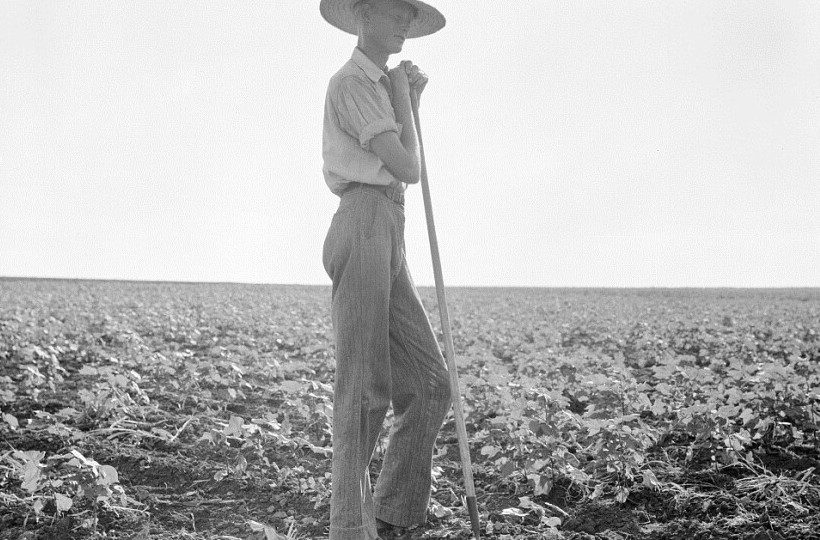
There was still no electricity in several rural areas of the state. The food was kept in ice boxes, which were not suitable for the summer heat. Water was pumped from the ground or carried from springs. The clothes were cleaned in vats heated over an open fire. Women were obliged to do heavy household physical work while men worked on the farm or in the fields.
To make life easier for rural residents, Congressman Lyndon Johnson (later President of the United States) worked to provide electricity. Already in the late 1930s, electricity appeared in remote parts of the state.
Racial issue
The Great Depression further divided Texas based on race and custom. Employment options for African Americans and Latin American expats were limited, and education levels in schools for them were far lower than in institutions for white students. In several sections of the state, there was a threat of violent attacks. The Great Depression exacerbated each of these issues while also acting as a catalyst for change.
There was a rise in opposition to racial inequity. The activists were organized into a single force by organizations such as the National Association for the Advancement of Colored People (NAACP) and the League of United Latin American Citizens (LULAC). They were the first to fight segregation in Texas, guided by the legal framework. Furthermore, these organizations sought to provide access to education and put an end to racial violence. Although the desired changes were slow, the efforts of activists created the groundwork for bigger accomplishments in the years following World War II.
Exhibition that saved Texans
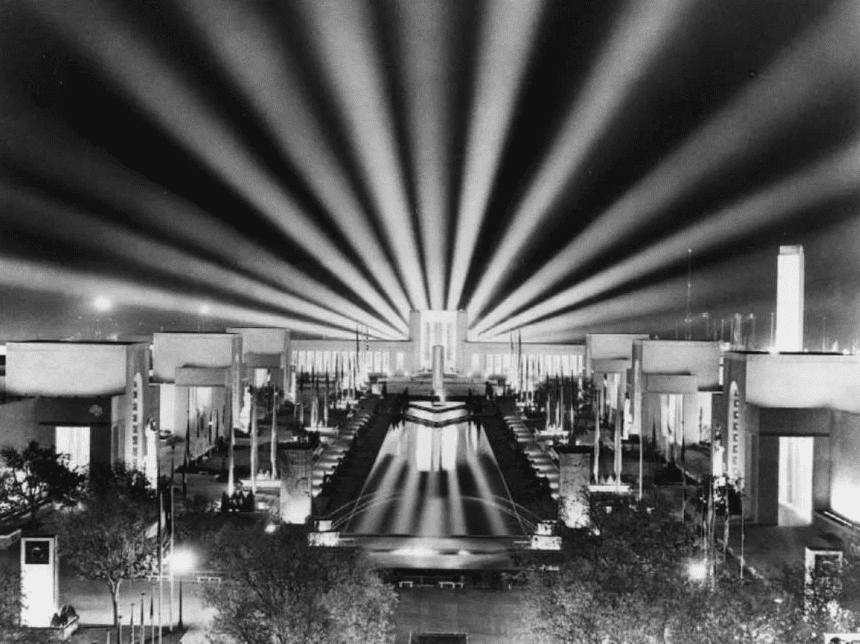
In 1936, Texas celebrated the 100th anniversary of the state’s independence from Mexico. Many events were held on the occasion of the celebration, but the main event was the Texas Centennial Exposition, a world’s fair held in Dallas from June 6 to November 29, 1936. More than 6 million people attended the fair, thanks to which it was possible to raise money that helped protect Dallas from the crisis. The event also drew global attention to the state, presenting it as an ideal destination to relax and do business.
Participation in the war
Participation in World War II contributed to the recovery of the American economy. With its long coastline, oil reserves and vast territory, Texas became an ideal location for industrial and military installations. New manufacturing industries created employment opportunities, attracting immigrants and luring rural residents to urban areas.
More than 1.2 million military personnel were trained at Texas military bases and training camps. In addition, the state created camps for prisoners of war and internees.
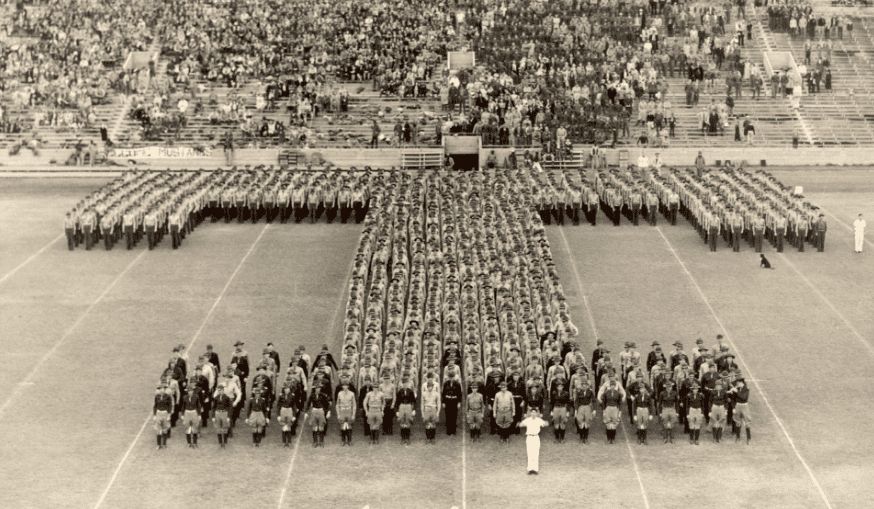
Texans accounted for 7% of the US military men who served in the army during World War II. Approximately 750,000 Texans participated in the war, and over 22,000 of them died in battle or as a result of the injuries. Famous Texas military figures included the commander in chief of the US Pacific Fleet Admiral Chester Nimitz and the commander in chief of the forces of the Anti-Hitler Coalition in Europe, an army general, cavalier of many awards, who later became US president, Dwight Eisenhower. The Women’s Army Corps was led by former Texas First Lady Oveta Culp Hobby. The largest number of awards in the history of the United States was awarded to First Lieutenant, an icon of American military cinema Audie Murphy. Another gentleman, Samuel Rayburn, a politician and long-serving speaker of the US House of Representatives, rose to prominence during the war years as well.
New possibilities
The war in Europe, thousands of miles away, opened up new opportunities for many Texans. While many men were fighting abroad, factories that made military weapons required manpower. This need was filled by women and minority workers, who previously were unable to obtain highly qualified and well-paying jobs.
It is important to note that African Americans and women also participated in the battles. In fact, as many as 12,000 women served. Black Texans usually served in separate units led by white officers. Latinos faced less discrimination, although it was still present.
After the war, women refused to leave their jobs, and black and Hispanic soldiers returned from the front determined to put an end to discrimination. They wanted access to everything their country had to offer as they served alongside white soldiers on an equal basis.
In general, the Great Depression and World War II were a time of great change for Texans. Between the start of the crisis in 1929 and 1945, the state’s population climbed by 33%, while production increased fourfold. Previously, rural and agricultural Texas evolved into an urbanized state with a diversified economy.