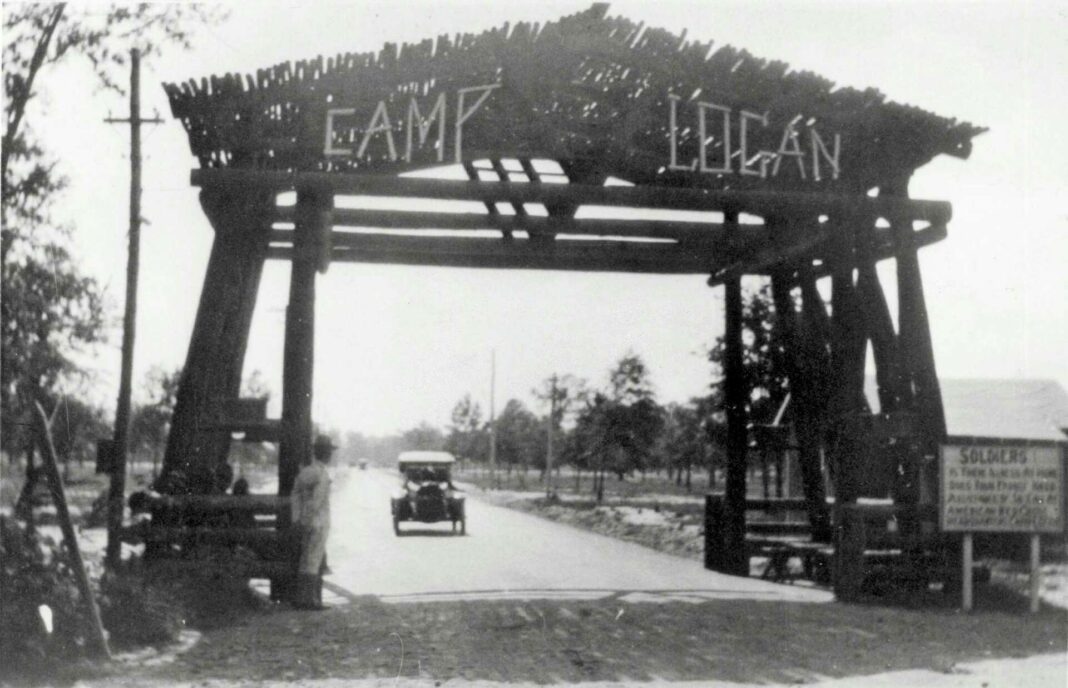

Houston’s history holds pages that, despite their significance, remain less known to the broader public. One such story is that of Camp Logan. This large military camp operated within the city limits during World War I. Its establishment, operations, and especially the events of August 1917, are an integral part of Houston’s past. They reflect both the nation’s wartime efforts and the profound social challenges of that era. This history isn’t just about barracks and drills. It also covers racial tension, the fight for justice, and long-lasting consequences that resonate even today. Let’s delve into the camp’s activities and unique features on houston-yes.
Construction and Purpose
The idea for a major military installation near Houston emerged in 1917. The United States was preparing to enter World War I. The city actively lobbied to host the camp, recognizing the potential economic benefits. The chosen site was northwest of the city center at the time, near Buffalo Bayou, where Memorial Park is now located. Construction of Camp Logan began in July 1917 and proceeded at an exceptionally rapid pace. Thousands of builders worked around the clock to prepare the site for the garrison.
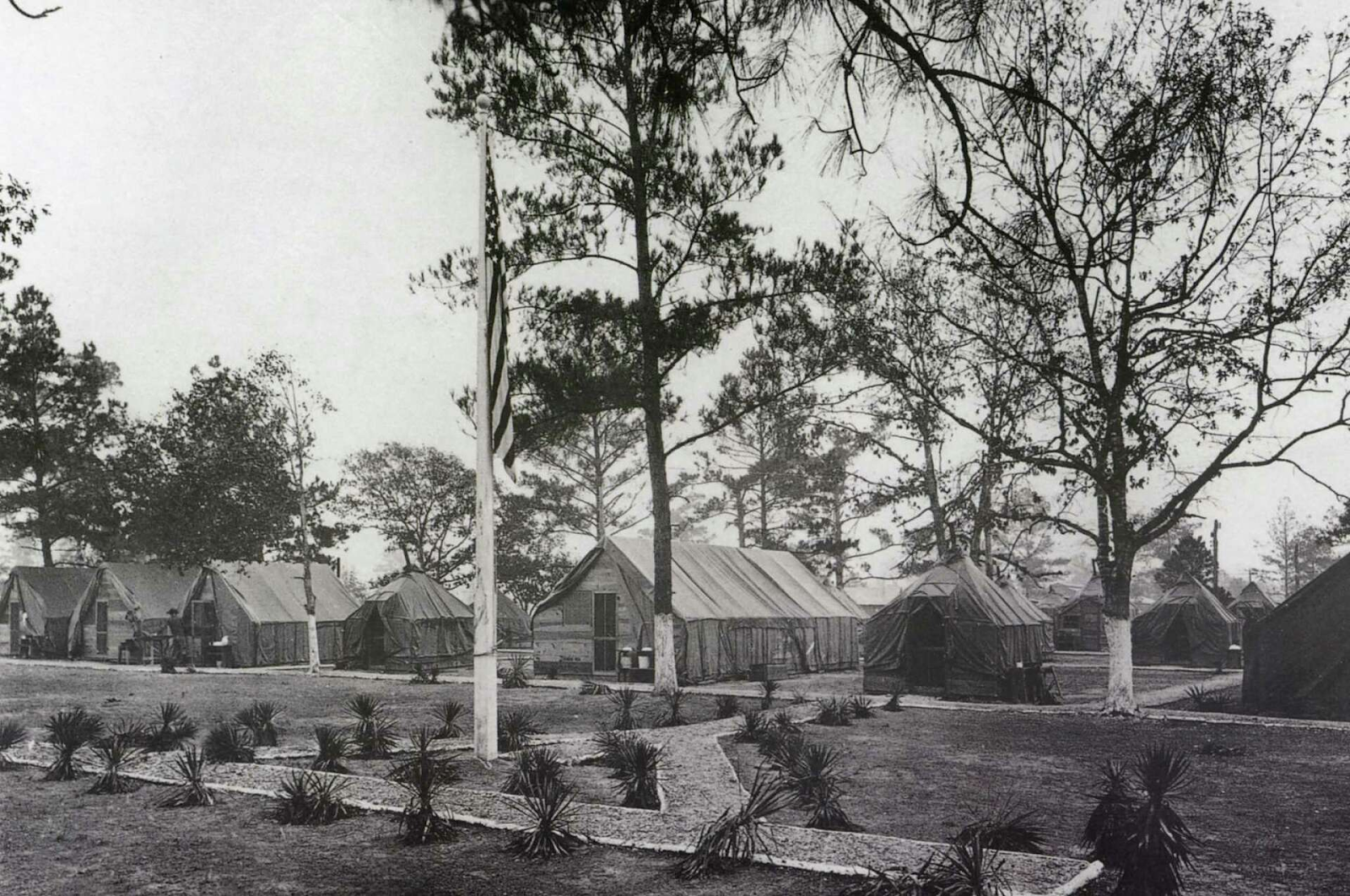
Camp Logan’s main purpose was to train National Guard units before their deployment to the European fronts. It was one of 16 similar training camps established across the country. It aimed to equip soldiers with the necessary skills and discipline for large-scale combat operations. The camp was designed to accommodate a significant number of servicemen simultaneously. It included living quarters, training grounds, a hospital, administrative buildings, and all the necessary infrastructure for a large contingent.
Statistics and Interesting Facts
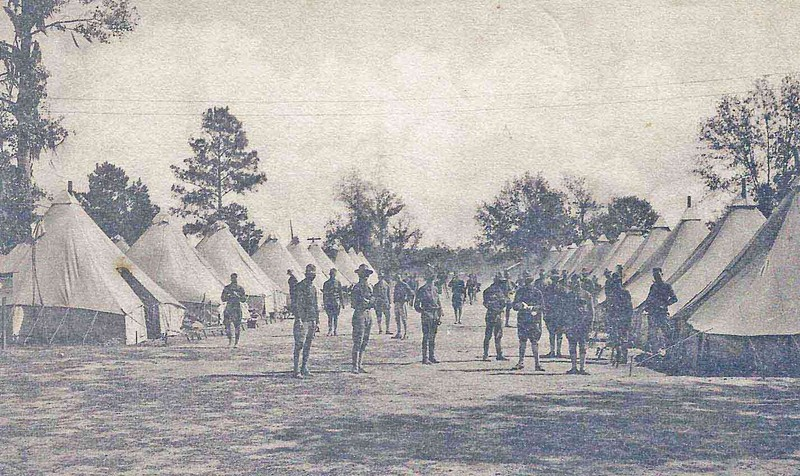
Life at Camp Logan was vibrant and dynamic. Soldiers underwent intensive training. This included drill, marksmanship, tactical exercises, and physical conditioning. The camp became a melting pot, drawing men from across the U.S.
- Year of Creation: 1917, during World War I.
- Purpose: Training U.S. National Guard units for deployment to the front lines.
- Location: Northwest Houston, now Memorial Park.
- Size: Camp Logan spanned approximately 2,400 acres.
- Cost: Its construction cost about $5.7 million. This is equivalent to over $120 million in today’s money.
- Personnel: At its peak, the camp could house up to 30,000 soldiers.
- Medical Services: A large hospital operated within the camp. It served not only military personnel but also assisted the local population during the 1918 Spanish Flu epidemic.
- Transportation: Special railway lines were laid to the camp for efficient movement of troops and supplies.
Despite its military function, the camp also integrated into Houston’s life. Soldiers occasionally received leave and visited the city, which boosted the local economy.
The Tragic Event of 1917
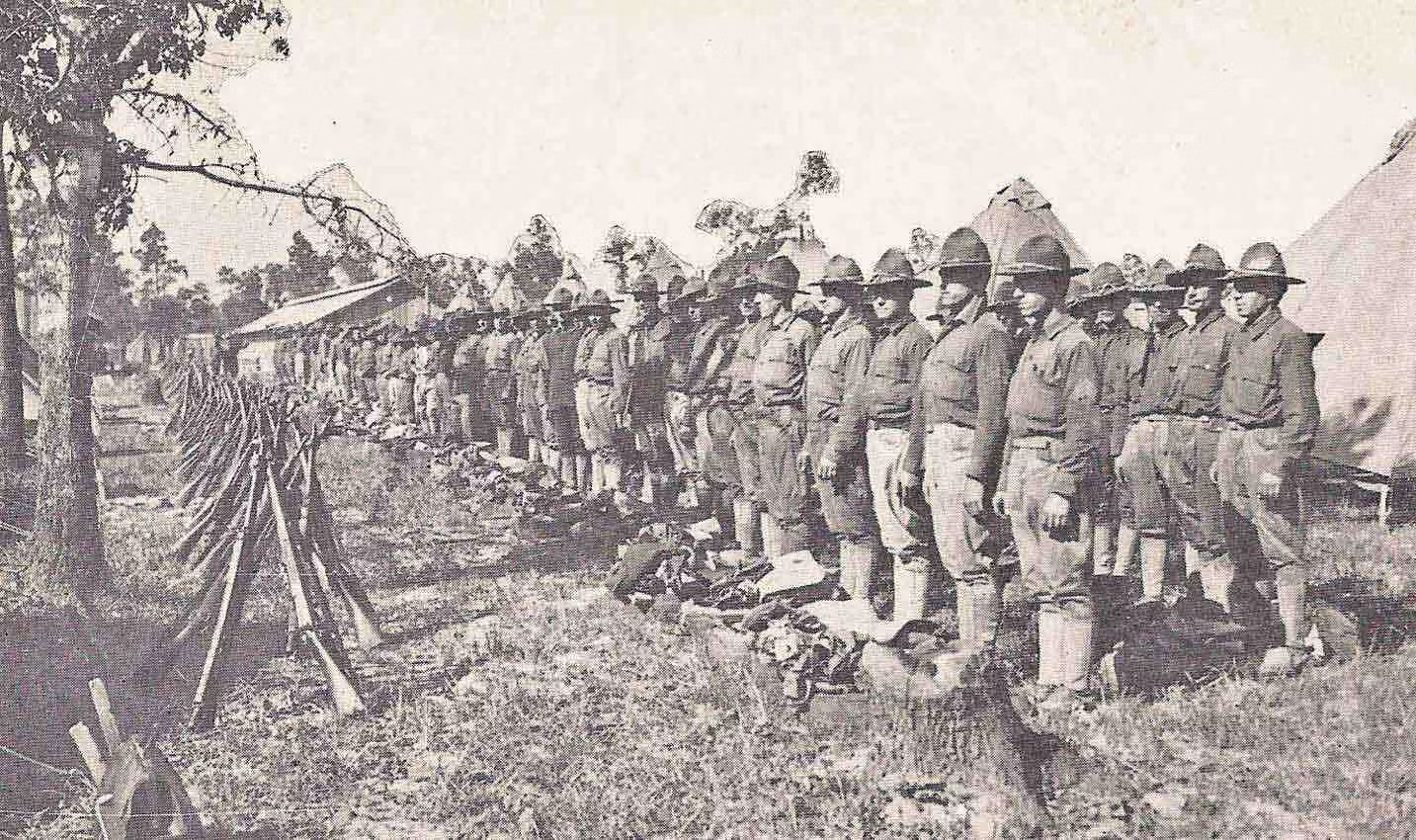
Unfortunately, Camp Logan’s history is forever linked to the tragic Houston Riot, which occurred on August 23, 1917. This event was fueled by deep racial tensions prevalent in segregated Houston at the time. The 24th Infantry Regiment of the U.S. Army, composed of African American soldiers, was stationed at the camp. They faced brutal discrimination and provocation from local white police and civilians. After several incidents, including beatings and arrests of soldiers, a group of enraged service members took up arms and marched towards downtown. The resulting armed clashes led to the deaths of 15 white Americans (including police officers) and four Black soldiers. The events had unprecedented consequences. Three military tribunals were held. They became the largest in U.S. military justice history by the number of defendants and death sentences issued.
- 118 African American soldiers were accused.
- 19 soldiers were sentenced to death by hanging without appeal – the first 13 were hanged on December 11, 1917.
- Others received lengthy prison sentences.
These verdicts sparked widespread outrage in African American communities across the country. They drew attention to issues of racial discrimination within the military and society. President Woodrow Wilson later commuted some sentences, but many remained imprisoned for decades.
Legacy and Significance
Camp Logan was dismantled shortly after World War I ended. Its territory gradually transformed into Houston’s Memorial Park—a place for recreation and remembrance. However, the memory of the camp, especially the tragic events of 1917, remains a vital part of the city’s identity and national history.
Contemporary reevaluation of the events surrounding Camp Logan emphasizes the importance of acknowledging historical injustice. In 2023, the U.S. Army officially overturned the convictions of 110 African American soldiers. They acknowledged that these soldiers did not receive a fair trial. This step is crucial for establishing historical truth.