

Houston, the colossal Texas city, impresses with its economic might and relentless growth. It’s always been a magnet for ambition, both constructive and, unfortunately, destructive. Like any rapidly developing metropolis, Houston’s City Hall manages billions in taxpayer dollars and wields immense power. Within its walls, where decisions shaping the lives of millions are made, waves of corruption have periodically surged, exposing instances of bribery, abuse of power, and conflicts of interest. These scandals haven’t just eroded public trust in government; they’ve also left a noticeable mark on the city’s political and social landscape. They’ve forced Houston to re-evaluate its oversight systems, striving for greater transparency and accountability. Below, on Houston-yes, we’ll take a retrospective look at the most prominent of these scandals, touching on nearly every mayor.
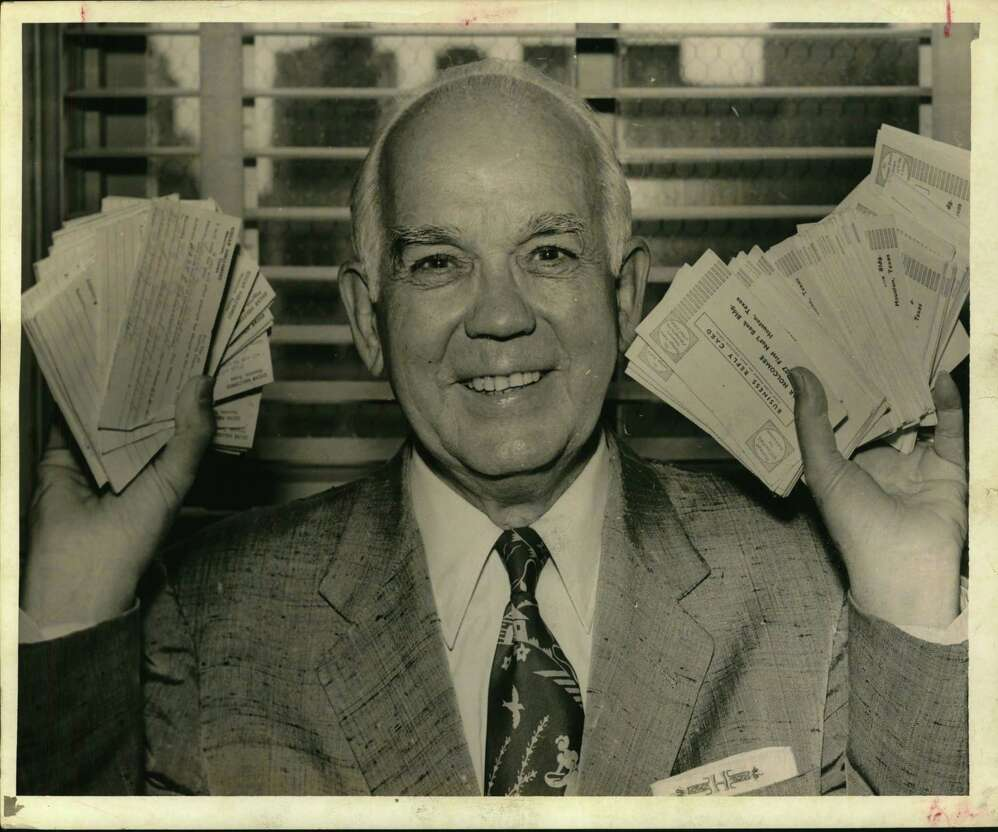
Oscar F. Holcombe (1921-1953)
Oscar F. Holcombe holds the record for the longest-serving mayor in Houston, spending a remarkable 22 years in office. His era coincided with the city’s rapid growth, earning him the moniker “Father of Modern Houston” for his exceptional contributions to infrastructure development and the transformation of a modest port into a powerful metropolis. However, his lengthy tenure wasn’t entirely free from controversy and accusations that, by today’s standards, are closely linked to corrupt practices.
The city desperately needed roads, sewage systems, bridges, and housing developments. These massive construction projects, requiring significant financial investment, became a breeding ground for less-than-transparent decisions.
It’s crucial to understand that “corruption” in the first half of the 20th century often took different forms than today’s criminal bribery cases. While Oscar Holcombe was never directly criminally charged or convicted for personally accepting bribes, his administration was widely associated with a system of political patronage and favoritism.
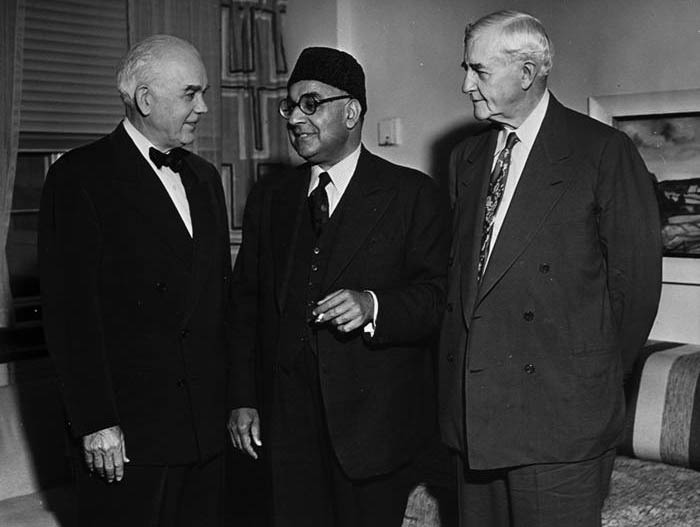
Here are the main aspects that raised questions about ethics and transparency during his time:
- Close Business Ties: Holcombe himself was a successful real estate businessman, and his close relationships with leading city entrepreneurs were evident. Critics argued this led to unfair distribution of municipal contracts, with preference often given to companies connected to his friends, political allies, or even himself.
- “Holcombe’s People”: His administration was known for placing individuals loyal to the mayor, rather than necessarily the most qualified, in key city positions. This created a political “machine” that ensured his re-election but also limited external oversight and transparency in decision-making.
- Land Deals and Zoning: During Houston’s rapid expansion, land allocation and zoning were critically important issues. There were allegations that some decisions were made in favor of specific developers, sometimes in violation of ethical norms or without sufficient public benefit justification.
- Lack of Transparency: At the time, transparency standards in public administration were significantly lower than today. Many decisions were made behind closed doors, fueling rumors and accusations of improper dealings.
Despite these accusations, Oscar Holcombe remained incredibly popular among Houston voters. He was often called “Honest John,” a nickname he himself enjoyed using. This suggests that either the public didn’t perceive these practices as a serious problem or considered him an effective leader who, despite systemic flaws, successfully transformed Houston.
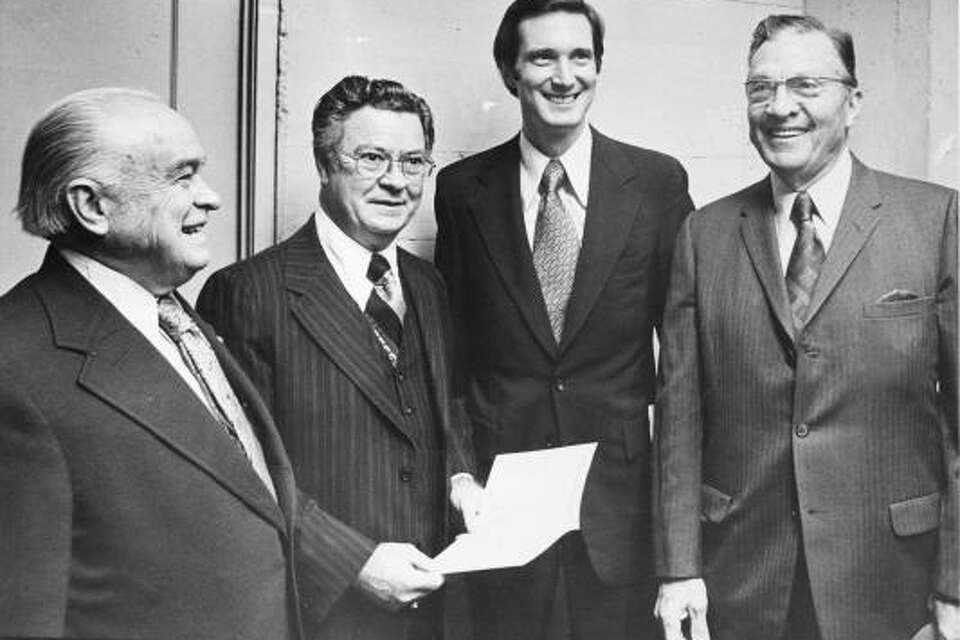
Louie Welch (1964-1973)
Louie Welch served as Houston’s mayor from 1964 to 1973, navigating a period of significant social change and continued rapid growth. His tenure wasn’t marked by major corruption scandals. The Louie Welch era coincided with a time when the public and media were beginning to demand greater accountability from government. While any city administration managing a million-person city with a large budget is always subject to scrutiny and potential accusations, there are no recorded direct, confirmed corruption cases, widely publicized or leading to convictions, against Welch himself or his immediate circle for bribery. However, his activities weren’t entirely free from controversy.
- Ties to Criminal Figures: During his last mayoral term, questions arose regarding his connections with some known criminal figures. This raised suspicions about potential funding sources for his second mayoral campaign. While these were suspicions, not proven facts of bribery, they still entered public discourse.
- Gambling Establishment Incident: Welch and several other Houston city council members were reportedly present at a gambling establishment during a raid. Welch himself explained that he never gambled more than a quarter. While his opponents might question his judgment in such matters, this wasn’t a direct corruption case.
The main challenges and controversies during his time as mayor were more related to social issues and racial relations in Houston than financial misconduct. Notably, in May 1967, clashes occurred between Houston police and students from the predominantly African American Texas Southern University, leading to a rift between the administration and a segment of the city’s Black population.
Thus, in the context of bribery, Louie Welch’s tenure was not characterized by loud scandals or proven instances of his personal involvement in corrupt schemes.
Kathryn J. Whitmire (1982–1991)
Kathryn J. Whitmire served as Mayor of Houston from 1982 to 1991, making history as the first female mayor of one of the largest cities in the United States. Her nine-year tenure spanned a period of significant economic change for Houston, from an oil boom to a price bust and the subsequent diversification of the city’s economy. In terms of corruption, her administration is generally considered a period of increased transparency and a lack of large, widely publicized scandals involving the mayor personally or her immediate circle.
Unlike some previous eras where patronage and opaque deals were part of the political landscape, Kathryn Whitmire’s administration aimed for more open governance. She came to power with promises of reforms and modernization of the city administration.
Key aspects of the Whitmire administration regarding corruption:
- Focus on Professionalism: The mayor, with prior experience as the city controller before her election, emphasized financial accountability and professionalism in city government. This distinguished her management style from her predecessors.
- Absence of Criminal Convictions: Throughout her tenure, there were no major criminal cases related to bribery or significant abuses of power that led to official charges or convictions directly against key members of her cabinet. This stands in stark contrast to some administrations in other major U.S. cities during that period.
- Typical Political Disputes: Like any leader of a major city, Whitmire faced criticism and political disputes. These could include accusations of political favoritism, such as appointments or resource allocation, or questions about the advisability of certain city projects. However, such disputes remained within the realm of political competition and did not escalate into proven corruption crimes.
- Economic Challenges: The primary concern of her administration was the economic downturn caused by falling oil prices in the mid-1980s. This forced the city to economize and re-evaluate its priorities, which perhaps also reduced opportunities for major abuses related to unlimited budgetary funds.
Her leadership serves as an example of how a major city can be governed with a relatively high level of integrity, even during challenging economic times. This doesn’t imply an absolute absence of any ethical questions or criticisms, which are inevitable in politics, but it does indicate that her administration managed to avoid major waves of corruption.

Lee P. Brown (1998–2004)
Lee P. Brown made history as Houston’s first African American mayor. His tenure spanned the turn of the millennium, characterized by rapid technological advancements and new challenges for urban governance. In the context of corruption, the Lee Brown era, while not overshadowed by large-scale, proven criminal charges against him personally, still had moments of scrutiny regarding integrity and transparency within the city administration.
Brown took office after a successful career in law enforcement, including serving as police chief in Atlanta, Houston, and New York City, and as Director of the Office of National Drug Control Policy under President Clinton. His background instilled hope for strict adherence to law and order.
While no official bribery or corruption charges leading to criminal convictions were ever brought against Brown himself, his administration became the subject of public debate on several issues.
- Municipal Contracts and Lobbying: During Brown’s tenure, questions arose regarding the influence of lobbyists and the appropriateness of certain contract agreements. While these didn’t escalate to criminal cases involving the mayor, concerns about the transparency and fairness of bidding processes were periodically raised by local media and the opposition.
- Financial Management: Opponents argued that the administration wasn’t always efficient enough in managing taxpayer funds. However, this primarily concerned management effectiveness rather than direct corruption or malfeasance.
- Police Relations: Given his prior experience as police chief, the administration’s relationship with the Houston Police Department was under particular scrutiny.
Overall, Lee Brown’s tenure is largely viewed as a period focused on public safety and urban development. He aimed for modernization and efficiency. While accusations of wrongdoing in Houston City Hall have never completely disappeared from the city’s history, his period in office was not marked by serious corruption scandals that would have ruined his reputation or led to prosecution.
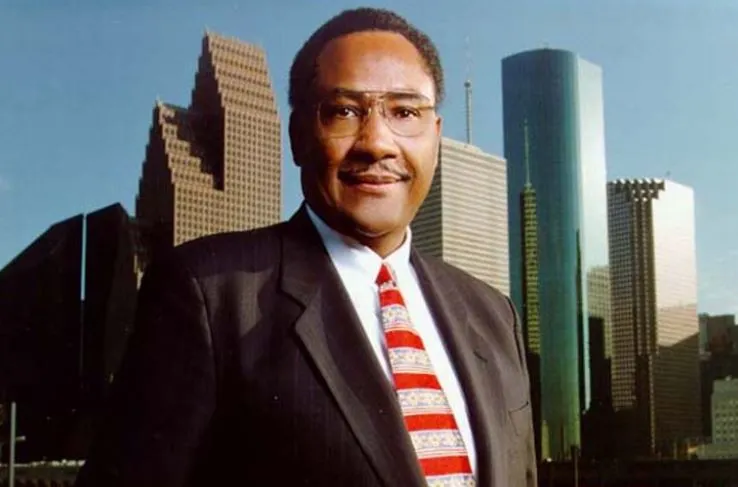
Sylvester Turner (2016–2024)
Sylvester Turner served two terms as Mayor of Houston, from 2016 to 2024, leading the city through unprecedented challenges, including devastating hurricanes like Harvey, the COVID-19 pandemic, and significant infrastructure needs. During his tenure, Houston implemented large-scale projects and received substantial federal funding. However, this period was also marked by numerous accusations and investigations that raised serious questions about transparency, conflicts of interest, and potential corruption in his administration.
It’s important to note that, despite numerous investigations and media attention, no official criminal charges or convictions for bribery or corruption were ever brought directly against Sylvester Turner himself. Nevertheless, these accusations cast a significant “shadow” over his administration, eroding the trust of a portion of the public.
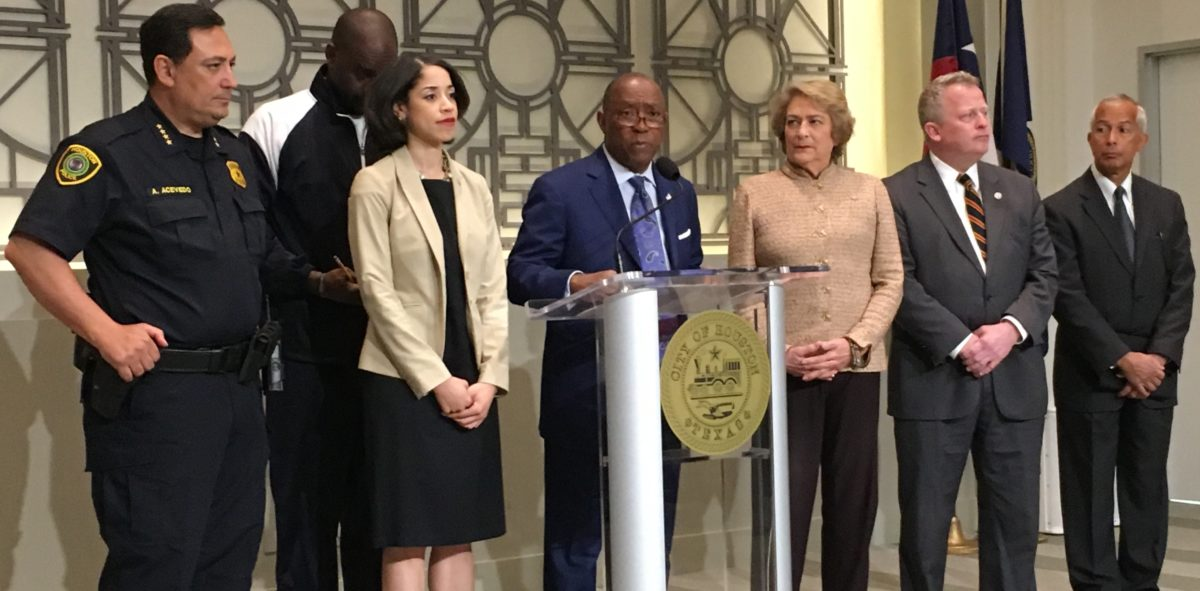
Major corruption allegations during Turner’s tenure:
- COVID-19 Pandemic Contracts and Former Staff (2020-2022): The most prominent scandal revolved around the awarding of city contracts related to the COVID-19 pandemic to companies allegedly connected to Mayor Turner’s former communications director, Janice Evans. Specifically, Elegant Affairs, a company that previously provided catering services for the mayor’s private events, received multi-million dollar city contracts, including food distribution for those in need during the pandemic, despite lacking prior experience in such an area. Connections to other companies where Evans had influence or family ties were also investigated.
- Housing Issue – 2021: Former Housing Department Director Tom McCasland alleged that the mayor influenced the selection of a project for post-Hurricane Harvey funds, directing them towards a development associated with his former law firm partner. This resulted in only one property being selected instead of four, with significantly fewer available housing units.
- Houston’s Homeless Initiative: Federal funds allocated for homelessness programs and housing construction also came under close scrutiny. Questions arose regarding the transparency of fund distribution and contract awards to contractors. Some media outlets and activists pointed to insufficient accountability and potential abuses in the expenditure of these funds. Again, no direct charges were brought against the mayor, but the management of this significant budget raised substantial questions.
- Personal Finances and Legal Practice: As Sylvester Turner remained a practicing attorney during his tenure, questions occasionally arose regarding his legal practice. This pertained to his firm’s clients who might have dealings with the city.
Turner’s tenure will be remembered as a period of significant achievements, including managing the aftermath of major natural disasters and attempting to solve long-standing social problems like homelessness. However, it was also marked by constant waves of public inquiries and investigations into the use of budgetary funds and contracting processes.
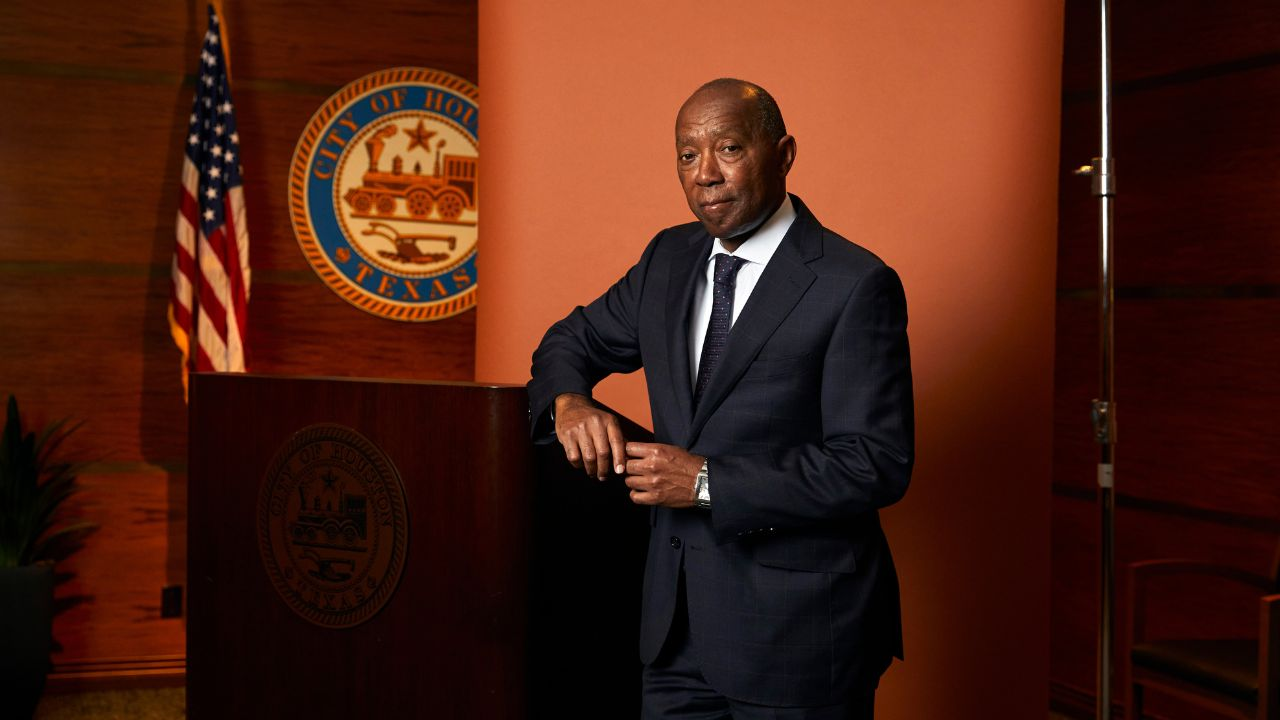
John Whitmire (2024–Present)
John Whitmire assumed office as mayor of Houston on January 2, 2024. His arrival at City Hall marked the beginning of new challenges. Since his tenure is in its early stages, it’s premature to discuss large-scale, proven corruption scandals involving him personally. However, even in his first few months, questions and controversies have arisen, requiring attention to transparency and governance.
Whitmire inherited a city with a significant budget deficit and problems in city services. His initial steps have focused on addressing these issues and reviewing the policies of the previous administration.
- Suspended Police Cases Scandal: This was one of the first major challenges, emerging less than two months after Whitmire took office. It was revealed that an HPD unit had suspended investigations into over 264,000 criminal cases since 2016. While this scandal involved the police department, which was already operating before his arrival, Whitmire reacted quickly, calling for an independent investigation and promising full transparency.
- Removal of Houston Avenue Medians: Whitmire faced criticism for his decision to remove recently installed medians along Houston Avenue. This decision, which cost the city a significant sum to reverse a previous project (costing $100,000 to install and over $730,000 to remove), sparked outrage among residents. The mayor explained the decision by citing “engineering and design flaws” in the previous work, but the financial implications and priorities for taxpayer money became a subject of lively debate.
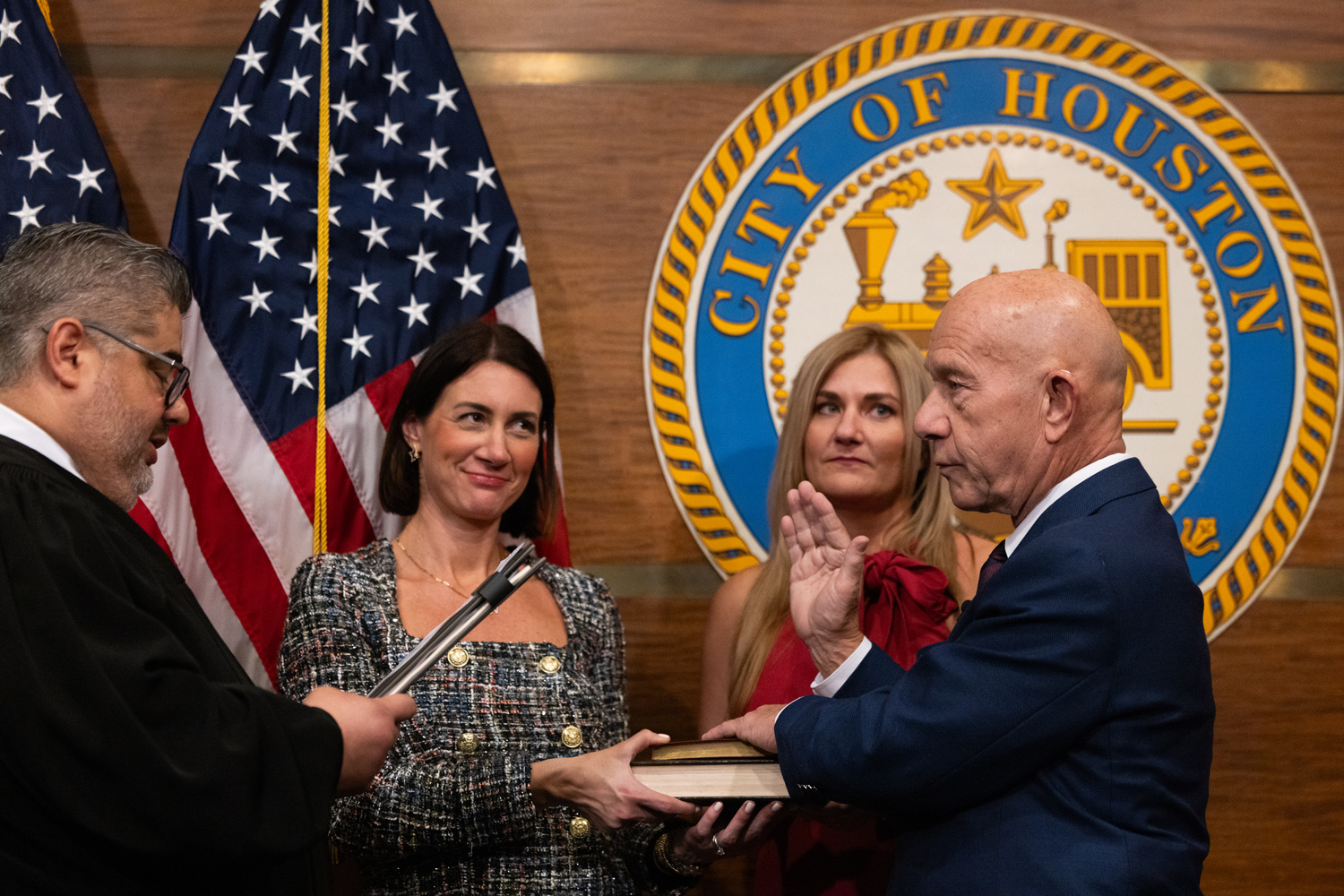
A Legacy of Striving for Transparency
The history of Houston’s City Hall is not only a story of growth and progress but also of a constant struggle for honesty and accountability. Even the most successful administrations have faced issues of public trust. From the era of Oscar F. Holcombe, where informal arrangements and patronage were part of the political “machine,” to the more modern era, where complex contracts and the use of millions of taxpayer dollars are scrutinized. If any “corruption waves” have appeared, regardless of their scale or proven nature, they have always served as a reminder to Houston of the importance of constantly improving oversight systems, independent investigations, and vigilant civic supervision. They have shaped public consciousness and forced city authorities, step by step, to strive for higher standards of ethical conduct. Houston’s history proves that the fight for clean government is a continuous process, demanding vigilance and dedication to the principles of transparency from every generation of leaders and citizens.