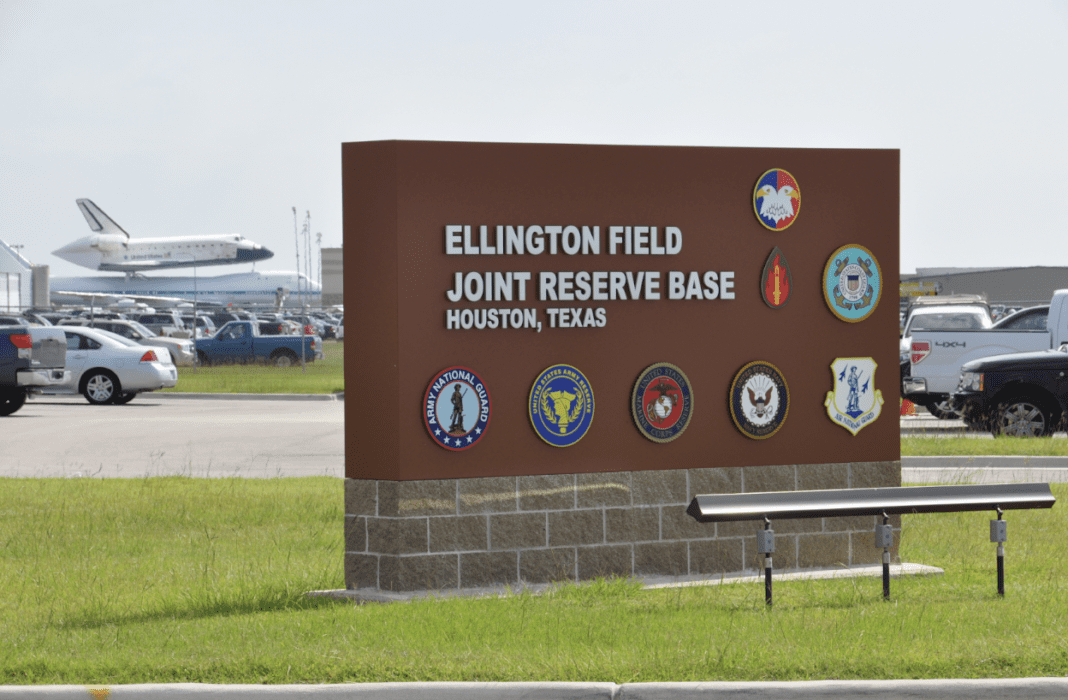

Ellington Field is one of the oldest air bases in the United States. Generations of military pilots trained here — among them were some of the most decorated aviators in American history. The base played a vital role during both World Wars, later serving as a training site for astronauts during peacetime. Today, Ellington Field is largely decommissioned, with much of the airfield now used for civilian aviation. But to understand its legacy, we need to start at the very beginning. More on houston-yes.com.
The Dawn of Aviation
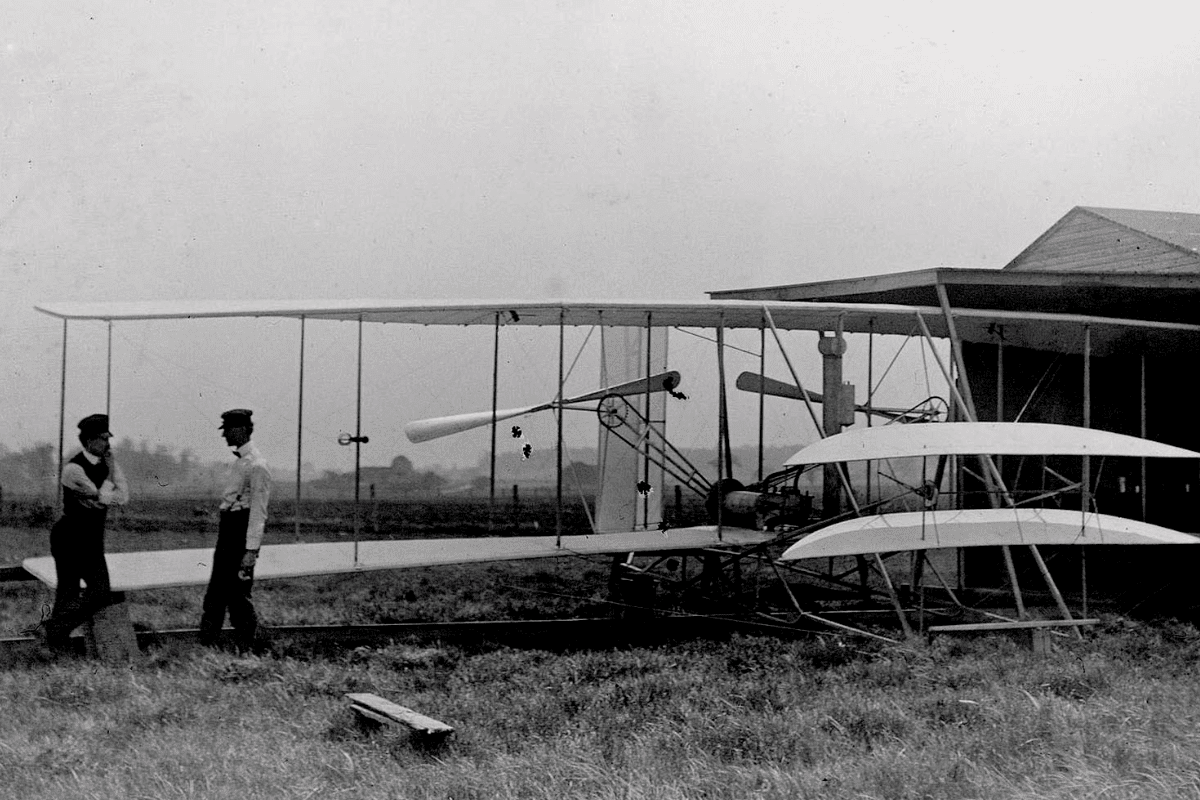
Our story begins in the early 20th century. On December 17, 1903, a momentous event changed the course of history — Orville and Wilbur Wright launched their famous “Wright Flyer.” It was the world’s first powered, piloted aircraft. Though it covered only 260 meters, this modest flight marked the birth of aviation.
In the years that followed, aviation advanced through trial and error. With no prior models to learn from, inventors experimented with wingspans, propeller sizes, and engine configurations. Designs evolved rapidly, and soon humans were mastering the skies. Airplanes became a symbol of progress and innovation.
Yet, as history has shown, human inventions rarely serve peaceful purposes for long. The 20th century became both a time of extraordinary innovation and the era of two devastating world wars. The Wright brothers’ invention would soon play its part in global conflict.
World War I: The Battle for the Skies
By the outbreak of World War I in 1914, tensions in Europe were already high. What began as a regional conflict quickly escalated into global warfare. Initially, both the Allies and the Central Powers expected a swift victory. But as the war dragged on, it drained nations of men and resources. The United States remained neutral — until German submarines began targeting American ships. That aggression pushed the U.S. into war in 1917, a decision that ultimately tipped the balance in favor of the Allies.
Exhausted by years of trench warfare, the British and French armies desperately needed reinforcements. They hoped for American troops, but Washington had a different plan — one that prioritized technology over manpower. The U.S. military chose to support the Allies through air power.
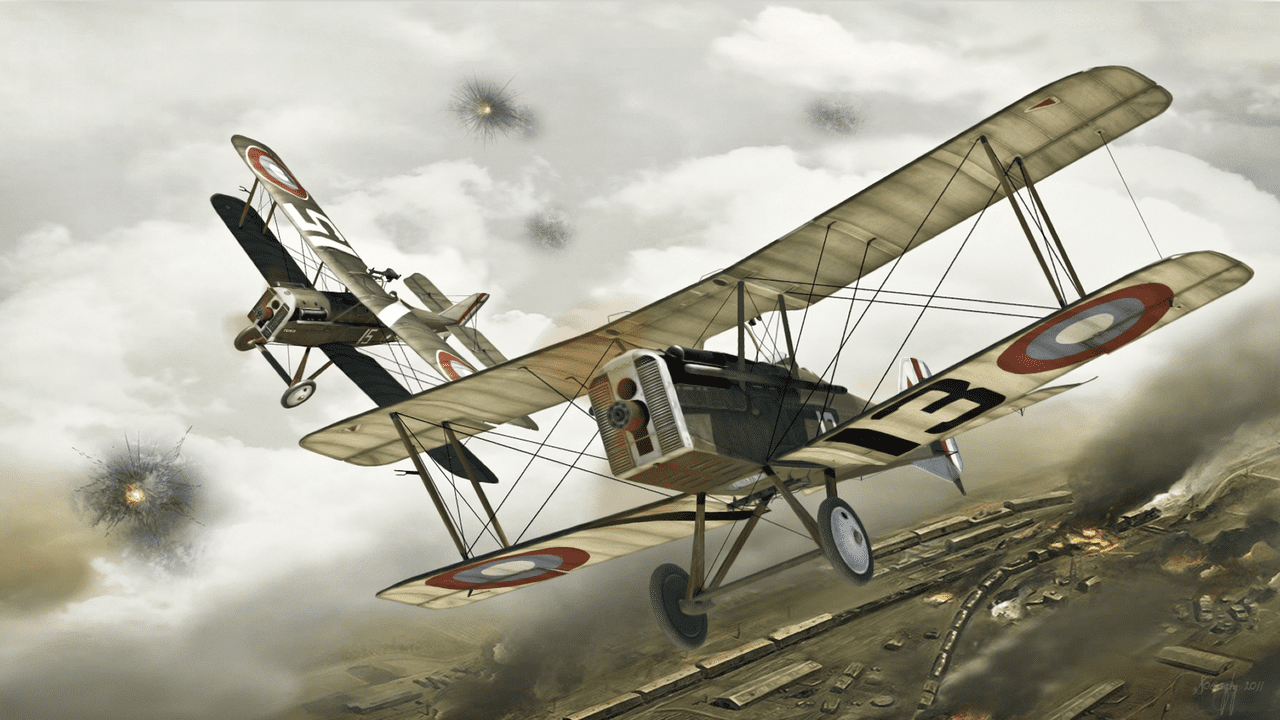
At the time, the United States already had a growing fleet of aircraft and a corps of trained pilots. American aviators conducted reconnaissance missions, guiding artillery strikes with greater accuracy, and carried out bombing raids that helped turn the tide of the war. Impressed by the results, the Allies requested 5,000 aircraft and 50,000 support personnel from the U.S. To meet this massive demand, the War Department decided to establish new training bases to produce pilots on an accelerated schedule.
The Birth of Ellington Field
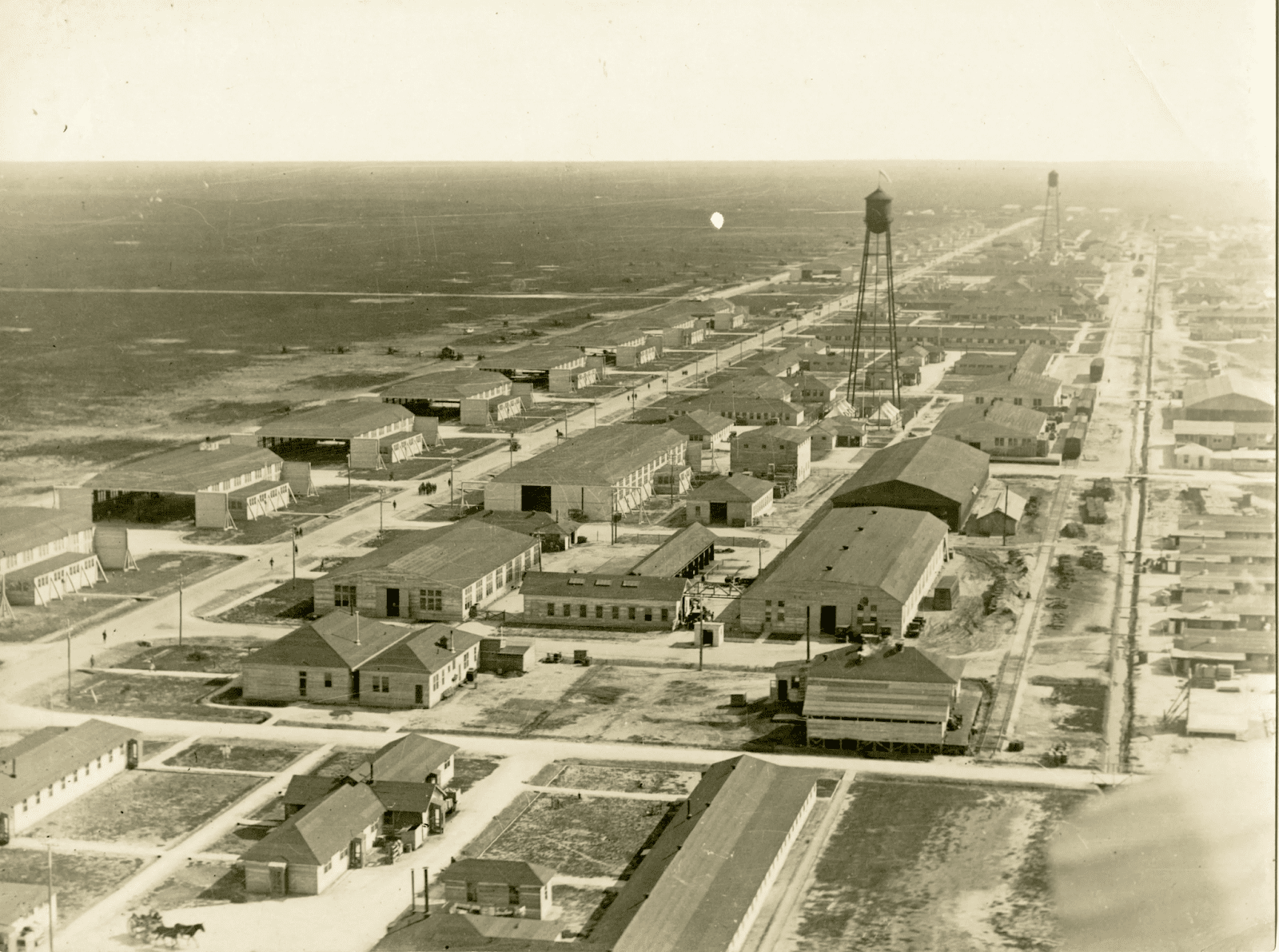
In response, 32 new air bases were built across the United States — one of them was Ellington Field. The government purchased 5.2 square kilometers of land near Houston, an area chosen for its ideal weather conditions for flight training. Construction began immediately and moved swiftly despite challenges. The base was named in honor of U.S. Navy pilot Lt. Eric Ellington, one of the first military aviators to die in a plane crash.
Within months, hangars and wooden barracks were completed, and by late 1917, Ellington Field began training its first recruits. Interestingly, the iconic Jenny biplanes arrived disassembled in crates by rail and were put together on-site.
Ellington Field quickly became known for its superior runways and facilities. It featured its own firing and bombing ranges — even a small peninsula in the Gulf of Mexico served as a live training target area. Aspiring pilots were eager to train there, believing the base to be lucky. For several months, there were no fatal accidents. Sadly, by the end of 1918, 18 pilots had lost their lives in crashes. Still, the base maintained its stellar reputation. It was the first to have its own newspaper, aerial artillery range, bombing field, and even the first air ambulance service in the U.S. By the war’s end, more than 5,000 pilots and 250 aircraft were stationed there.
In December 1917, Ellington pilots staged a breathtaking aerial demonstration over Houston. During a Red Cross benefit event, ten planes flew in formation over the city, dropping celebratory leaflets — a stunning spectacle for its time.
The Calm Before the Storm
After World War I, Ellington Field continued operations for a few years, training new pilots. But by 1920, the demand for military aviators had declined, and the base was closed. Its dormancy didn’t last long. When World War II erupted in 1939, the U.S. once again faced the need for massive air power. As Houston grew into an oil industry hub, debates arose about reopening the base. Some feared aviation could endanger oil infrastructure, while others argued the city needed air defense. The latter won, and by 1940, construction on an expanded facility began.
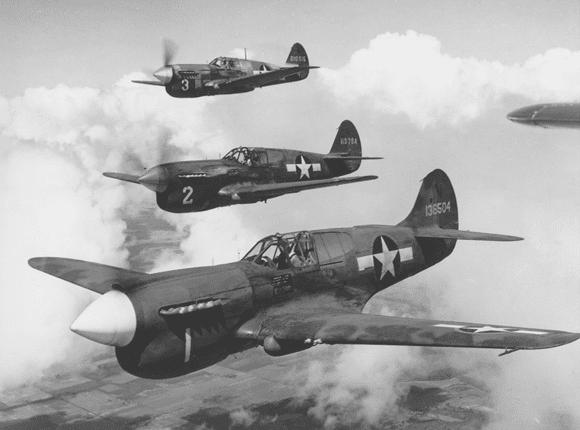
Within a year, Ellington Field had new control towers, enlarged hangars, 74 barracks, and a state-of-the-art medical center. Reopened in 1941, it once again buzzed with activity. Under new training programs, the base produced 2,800 pilots annually — about 10% of all U.S. aviators. Each course lasted 10 weeks, preparing recruits to handle multiple aircraft types before advancing to bomber training. Remarkably, 65 women completed pilot training at Ellington during the war.
The Cold War, NASA, and Civil Aviation
Unlike after World War I, Ellington Field remained active following World War II. The Cold War had begun, and the U.S. relied heavily on air superiority to counter Soviet threats. For decades, Ellington served both as a training hub and a regional air defense command center.
In 1960, the City of Houston took ownership of the airfield. NASA acquired much of its infrastructure, transforming it into a training ground for astronauts. Later, portions of the base were adapted for civilian aviation, becoming what is now known as Ellington Airport.
In 2015, Ellington received a license for commercial space launches. Today, it operates as a versatile facility supporting both military and civilian missions — a living testament to over a century of aviation history.