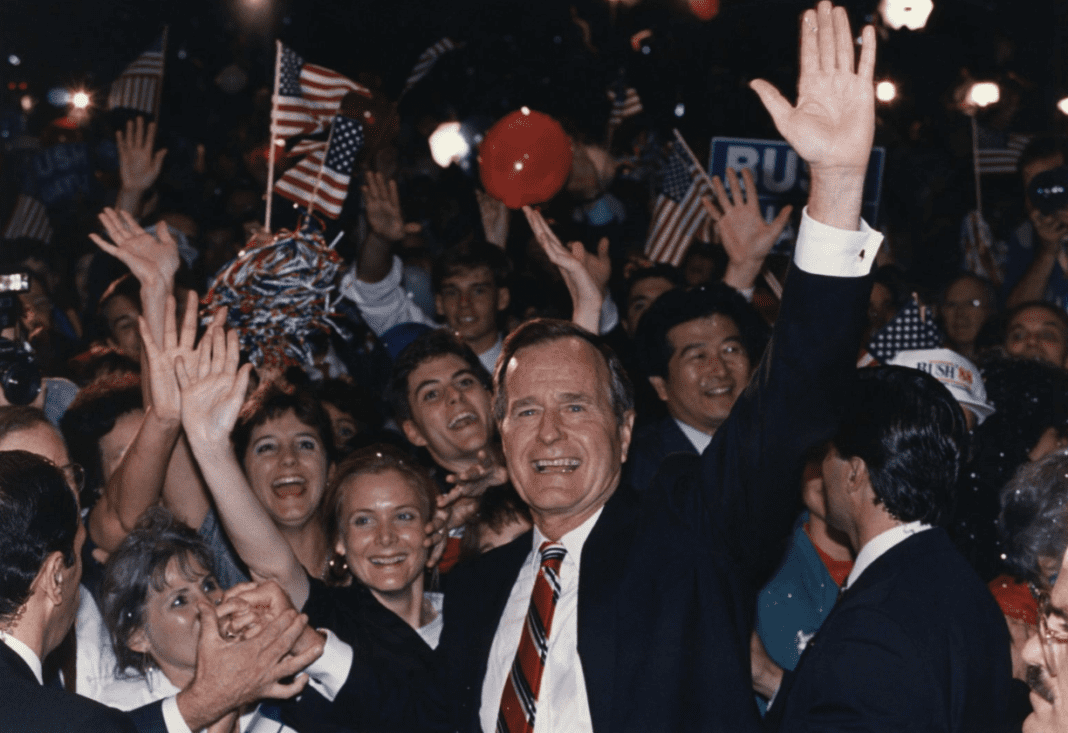

George Herbert Walker Bush shared a deep bond with the city of Houston. It was in Texas where his political journey truly began, and in Houston where he spent his final years, leaving an enduring legacy that continues to shape the city’s identity. More on houston-yes.
Childhood, Education, and Early Values
George H. W. Bush was born on June 12, 1924, in Milton, Massachusetts. Because of his family’s political and business engagements, he spent his youth in several places. A year after his birth, the Bush family moved to Greenwich, Connecticut, where George grew up and attended school. He often visited his grandparents — at their summer home in Kennebunkport, Maine, or at the family plantation in South Carolina.
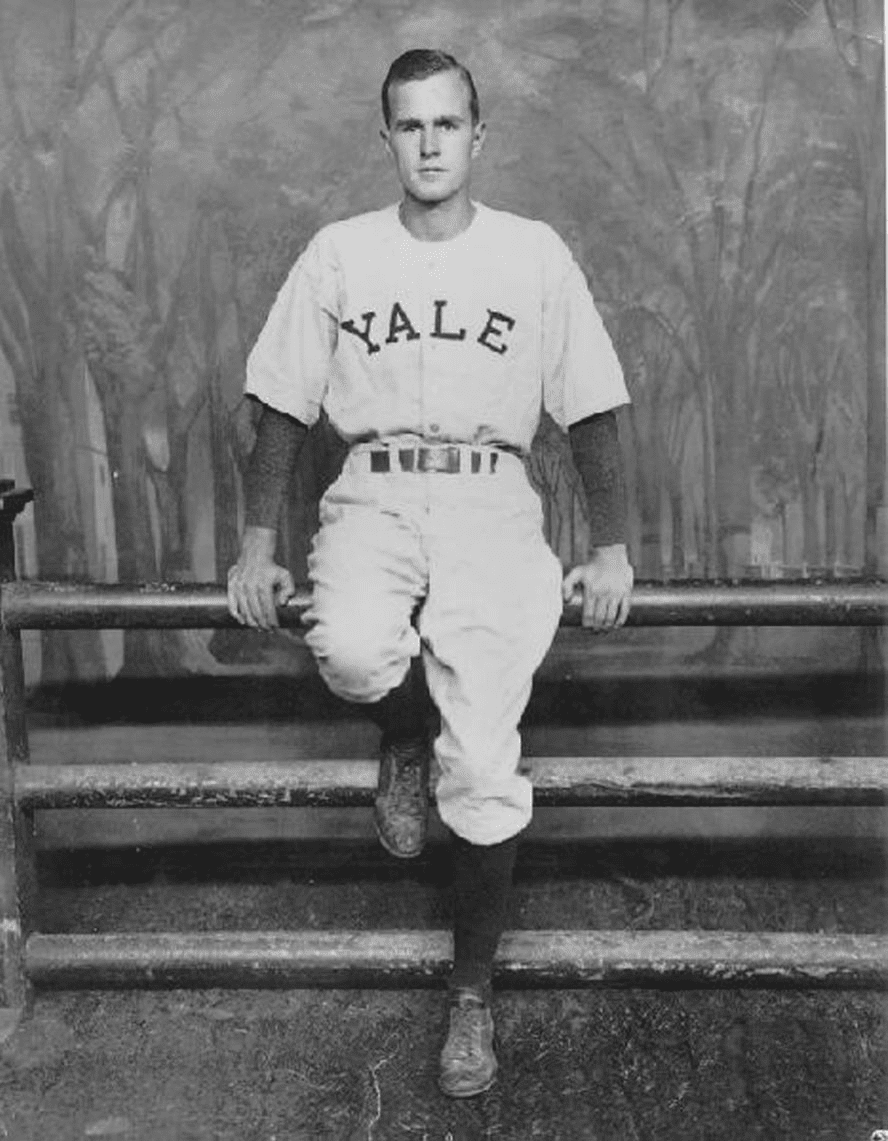
Bush’s education took place during the Great Depression. Despite the nation’s economic hardship, his family’s wealth allowed him access to top schools — Greenwich Country Day School from 1929 to 1937, and Phillips Academy in Andover, Massachusetts, from 1937 to 1942. He was an active student leader, serving as class president, student council secretary, and head of a community foundation group. He also wrote for the school newspaper and captained both the baseball and football teams.
The Lucky Aviator
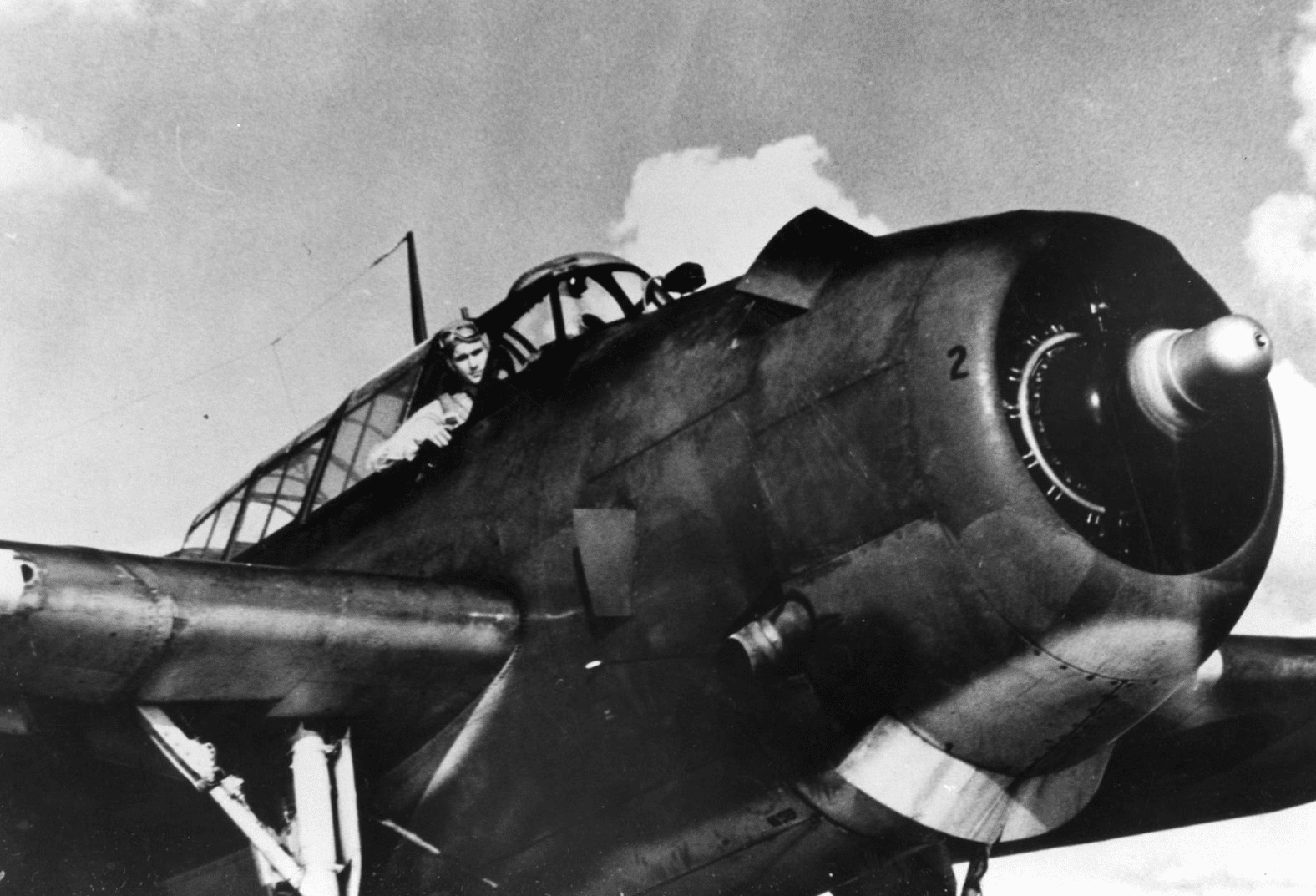
On his 18th birthday, Bush enlisted in the U.S. Navy as a naval aviator. For nearly a year, he trained to fly various aircraft and eventually specialized in piloting the Grumman TBM Avenger, a torpedo bomber capable of launching from aircraft carriers — one of the most advanced planes of its time.
When the U.S. entered World War II, Bush was assigned to the Pacific Fleet, becoming one of the Navy’s youngest pilots. In 1944, during the fierce battles against Japan, he flew numerous bombing missions over the Japanese islands. On one mission, his plane was shot down, but Bush managed to parachute into the ocean, where he was rescued by an American submarine — his two crewmen did not survive. On another sortie near Chichijima, his squadron successfully struck enemy targets before his aircraft was hit again. Bush survived, and later recalled asking himself, “I saw death so close — why did God spare me? What mission does He have for me?”
Bush completed his active duty in 1944 but officially retired from the Navy in October 1955 with the rank of lieutenant. Over his service, he logged 58 combat missions, 128 carrier landings, and more than 1,200 flight hours. He was awarded the Distinguished Flying Cross for his bravery.
Marriage and Business Career
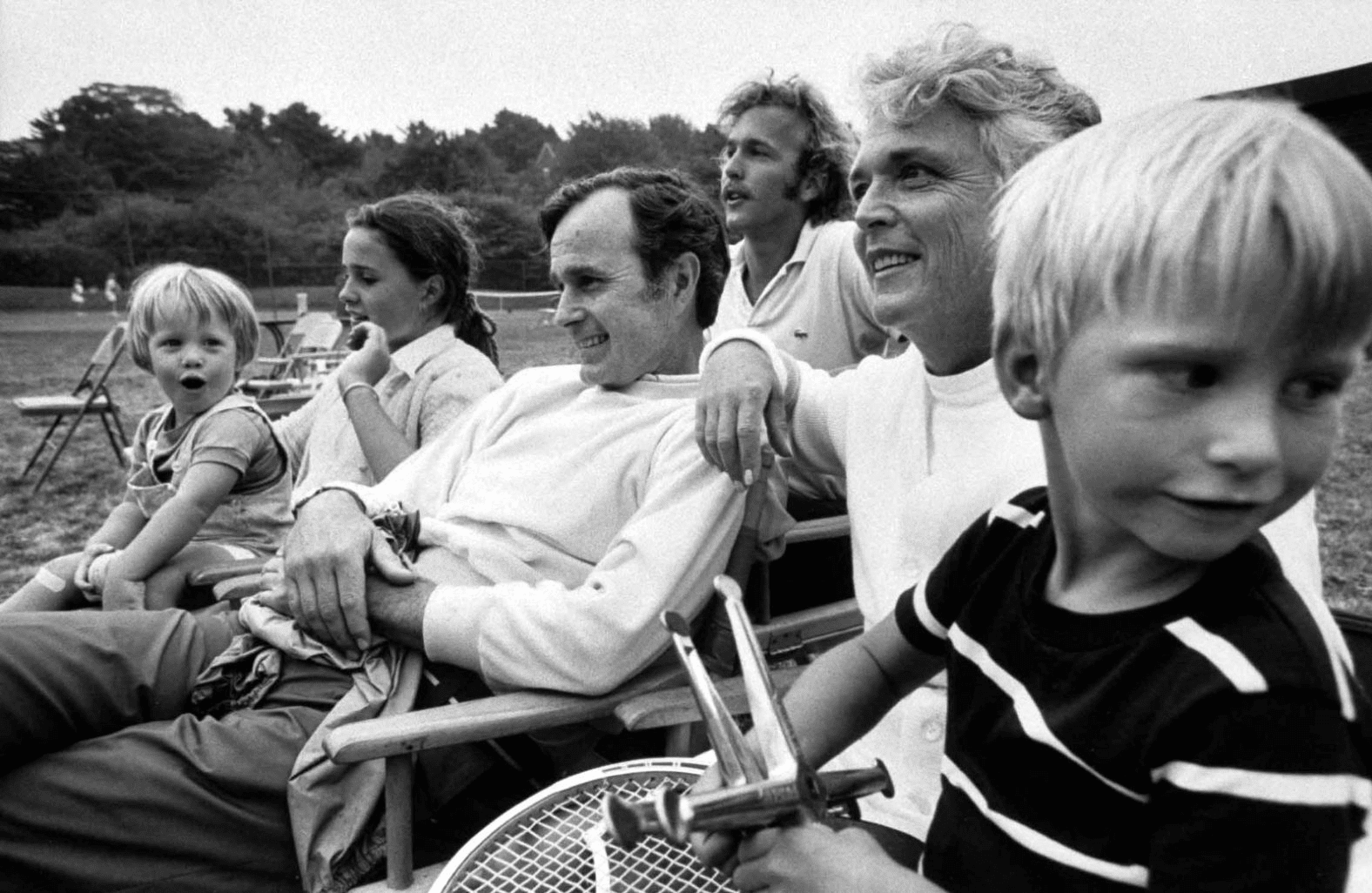
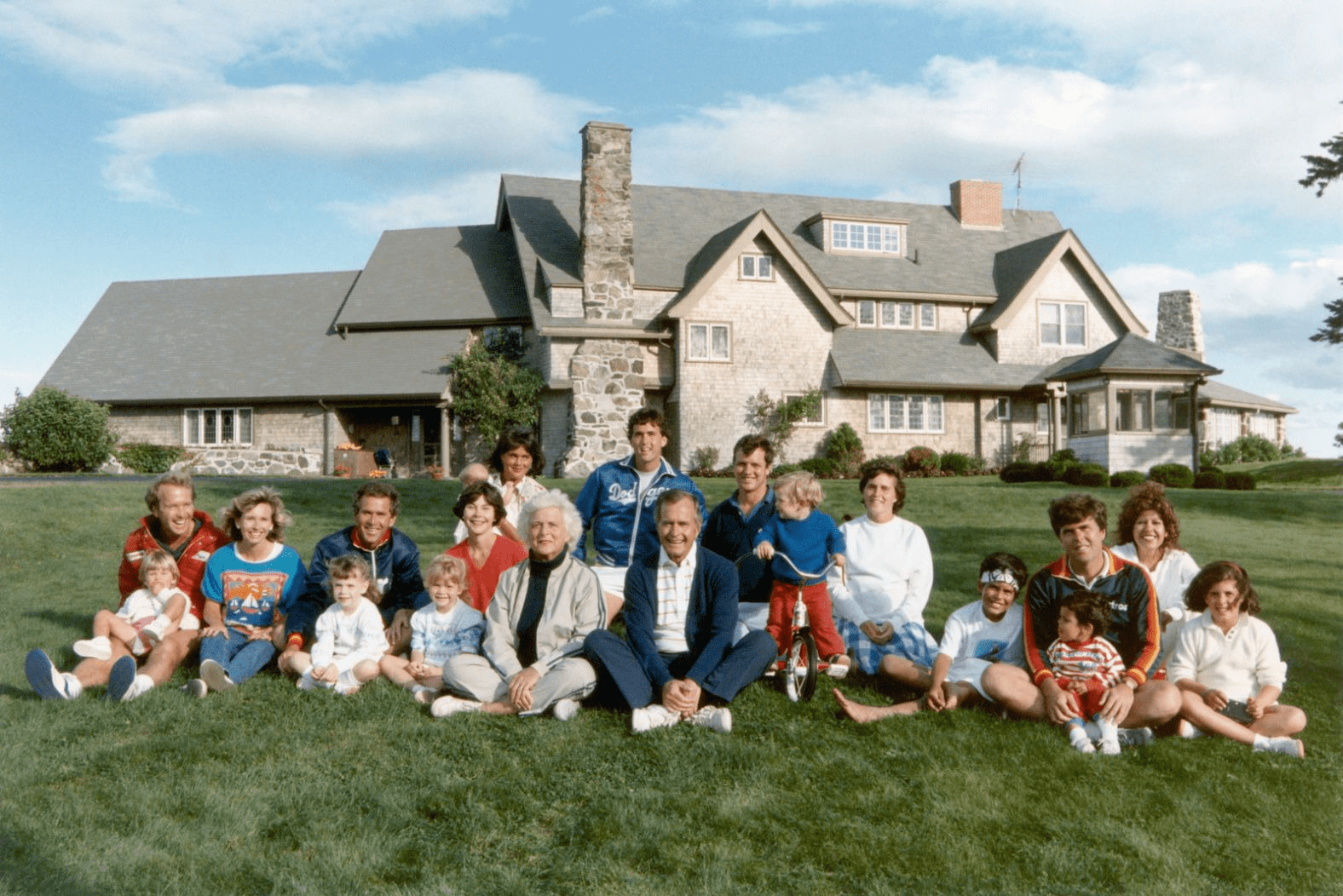
Bush met his future wife, Barbara Pierce, during Christmas break in 1941 while visiting his family in Greenwich. The two met at a dance and soon fell in love. They got engaged in 1943 during his leave from the Navy and were married on January 6, 1945, in New York. Their marriage was built on deep affection and mutual respect. Together, they raised six children but also endured heartbreak — in 1953, they lost their daughter Robin to leukemia.
After graduating from Yale University, Bush moved his young family to West Texas to start a business career. Determined to build his own legacy outside his father’s shadow, he began as a salesman for oil equipment, traveling constantly across the region. Barbara and their children accompanied him through relocations to Ventura, Bakersfield, Compton, California, and Midland, Texas. It was during these years that the Bush family first became drawn to Houston as their future home.
Political Ambitions and Presidency
By the early 1960s, Bush was an appealing political figure. A dedicated Republican, he was once courted by Democrats to switch parties, but he stayed true to his principles and began his political career in Texas.
In 1963, he was elected chairman of the Harris County Republican Party. Three years later, he won a congressional seat representing Texas’s 7th District in the U.S. House of Representatives — an area that included much of Greater Houston. His pragmatic approach and foresight earned him national respect. President Richard Nixon appointed him as U.S. Ambassador to the United Nations in 1971, where he gained crucial experience in foreign policy, especially in relations with the Soviet Union and China — knowledge that would later help him end the Cold War as president. Bush’s distinguished career also included roles as chairman of the Republican National Committee, head of the U.S. Liaison Office in China, Director of the CIA, and chairman of First International Bank in Houston.
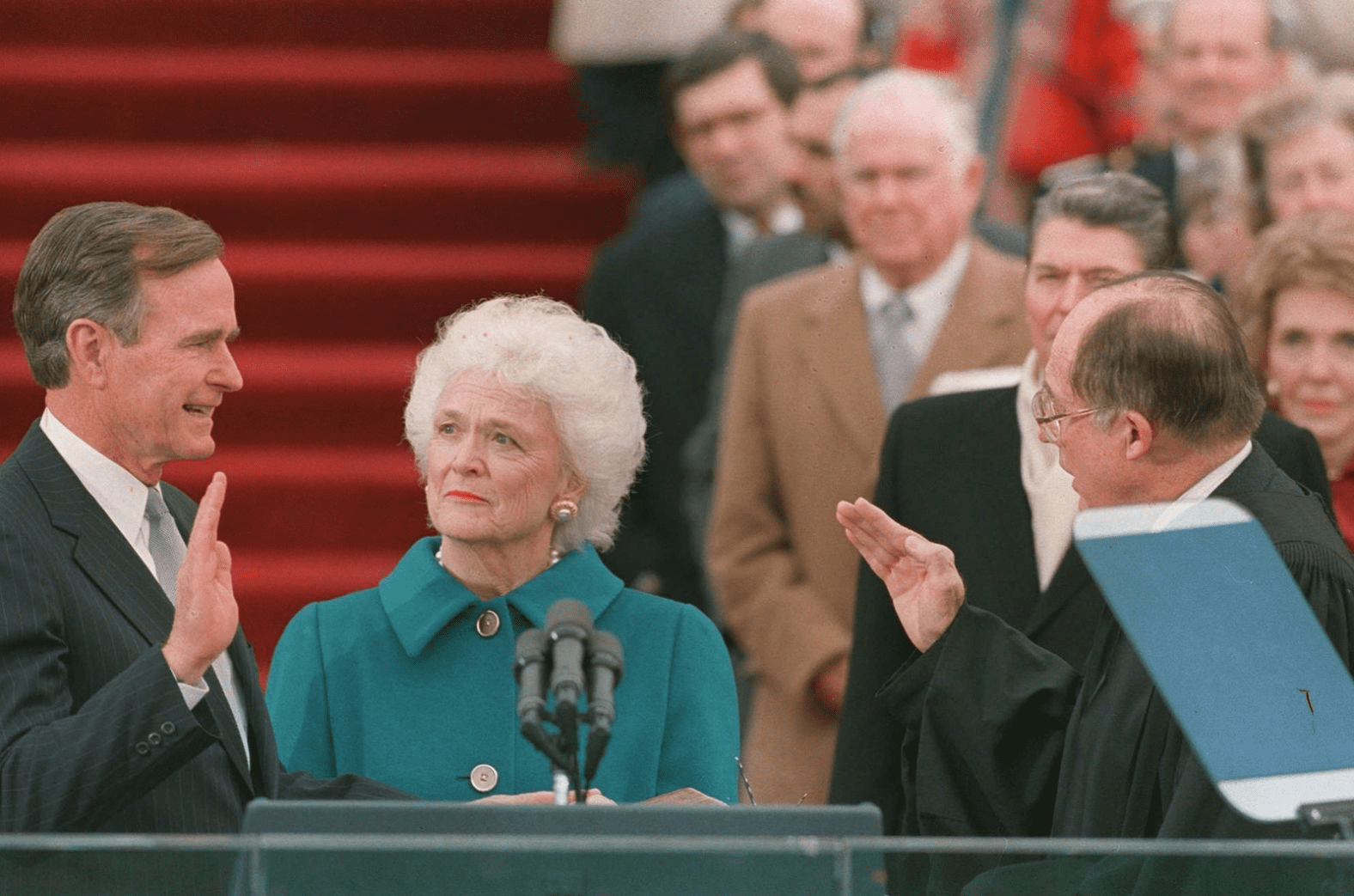
In 1980, Bush sought the Republican presidential nomination but lost to Ronald Reagan. Nevertheless, Reagan chose him as his running mate, and Bush served as vice president for eight years. In 1988, he won the presidency, focusing on diplomacy and global stability. His administration oversaw the peaceful end of the Cold War, the reunification of Germany, the Panama invasion (“Operation Just Cause”), and the Gulf War against Saddam Hussein’s Iraq. Despite these successes, he lost his re-election bid in 1992 to Bill Clinton.
Houston — Bush’s Second Home
After leaving the White House, Bush settled in Houston, where he had deep family and business ties. The city became his sanctuary — a place to relax, spend time with loved ones, and stay connected with the community he cherished.
After retiring from politics, George and Barbara Bush helped establish a senior living facility in Houston’s West Oaks community. He also opened his presidential office at the Laureate Building on Memorial Drive. Though he continued to travel and lecture, Houston was always his home base — a place of peace and belonging.
In his later years, Bush remained active and deeply engaged in Houston’s civic life. He supported charitable causes, promoted education, and earned admiration for his humility and leadership. Regardless of political affiliation, Houstonians respected him for his patriotism and contributions to the city’s growth. Bush passed away in Houston on November 30, 2018. He was laid to rest with full honors beside his wife Barbara at the family burial site in Kennebunkport, Maine.
Bush’s Legacy in Houston
Houston honors George H. W. Bush’s legacy in many ways. The city’s Bush Center includes a presidential library, museum, and policy institute dedicated to his life and service — a place for education and reflection on his impact.
In 1997, Houston’s main airport was renamed George Bush Intercontinental Airport (IAH) in recognition of his leadership and contributions to the nation. It remains one of the largest and busiest international airports in the United States.
West Houston’s George Bush Park — a sprawling green space with trails, sports fields, and recreation areas — also bears his name, serving as a tribute to his enduring influence on the community.
St. Martin’s Episcopal Church and the Wildcat Golf Club, both associated with the Bush family, further connect his legacy to the city he loved. For George H. W. Bush, Houston wasn’t just a place to live — it was home.