
In the life of any city or country, there are events that change the course of history. One such event was the Galveston Hurricane of 1900, which struck near Houston. This devastating tragedy shook the entire state of Texas. Read more about it on houston-yes.com.
The Story of the Tragedy
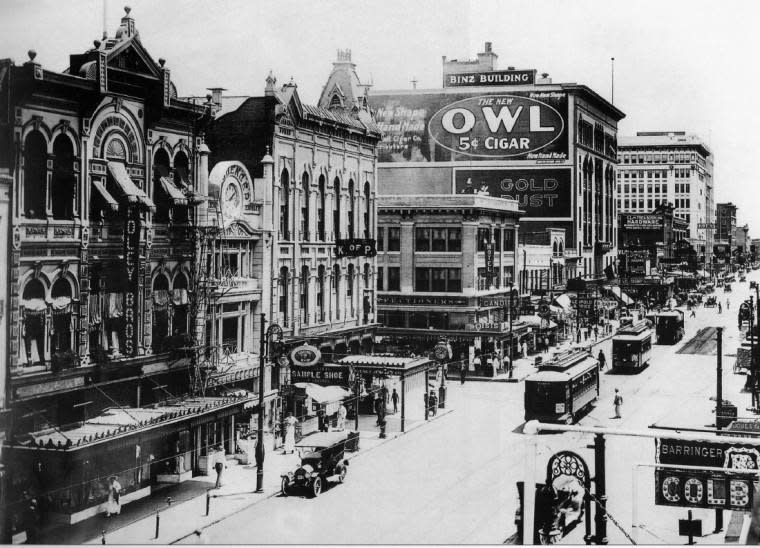
It all happened on September 8, 1900, near the city of Galveston, not far from Houston. Eyewitnesses recalled it as one of the deadliest hurricanes in U.S. history, later known as the Great Galveston Hurricane. The destruction was catastrophic, with wind speeds exceeding 145 mph (Category 4 on the Saffir-Simpson scale).
The loss of infrastructure was nothing compared to the human toll. About 8,000 people lost their lives, making it the deadliest natural disaster in U.S. history.
Most of the victims were in Galveston, then a major port and economic hub for the region. The hurricane flooded much of the city, destroying up to 7,000 buildings, including more than 3,600 homes. Around 10,000 residents were left homeless. At that time, the city’s population was about 38,000. After the disaster, Galveston officials built a seawall and raised the island’s grade by as much as 17 feet to better withstand future storms.
Timeline of Events
The storm first formed on August 27, 1900, in the southeastern Caribbean. By September 5, it was moving west toward the Texas coast, accompanied by strong winds. Neither local authorities nor residents suspected the scale of the impending disaster. On September 6–7, the hurricane intensified, but weather forecasting technology at the time lacked precision. Meteorologists even predicted the storm would pass through Florida.
By the morning of September 8, the first signs of severe weather reached Galveston. However, many ignored the warnings. Flooding quickly spread across the city during the day. Around 8 p.m., the winds temporarily calmed, but it was only the eye of the storm. Within hours, the hurricane returned with even greater force, devastating the city.
How the Disaster Affected Houston
In Houston, both residents and city officials mobilized to help the victims, sending rescue teams by train and by sea.
Historians note that the tragedy effectively ended Galveston’s “golden era.” At the same time, it created new opportunities for Houston. In the wake of the disaster, investors and businesses began shifting their focus to Houston as Texas’s new economic center.
The hurricane also reshaped demographics. Many displaced people relocated to Houston. By the 1920s, the city’s population had surpassed 200,000, and by the 1960s, it had grown beyond one million, largely due to internal migration.
By 1920, Houston had become the state’s largest economic hub, with booming trade, transportation, and oil industries. The disaster changed both economic and demographic trends, helping transform Houston into the leading metropolis of the region. Over the next few decades, Houston emerged as a global center for the oil and aerospace industries, attracting a diverse, multinational population—many of whom moved there after the hurricane.
The 1900 hurricane remains the deadliest natural disaster in American history. It left a permanent mark on the country and the region. And although it was a heartbreaking tragedy, it ultimately played a significant role in shaping Houston’s growth and development.
We hope this article has been informative and that you’ve learned more about our city and the state of Texas.