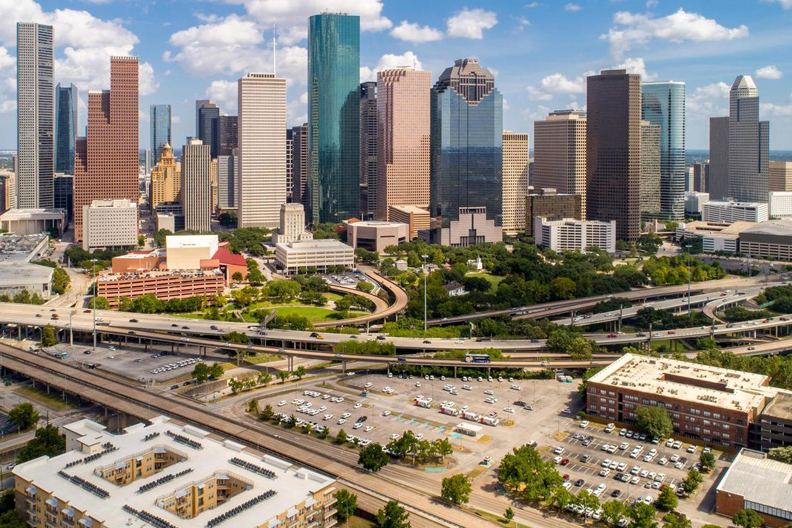

Elections have long been an integral part of our society. It’s hard to imagine the functioning of a state or city without an electoral process. Today, we’ll take a closer look at local elections in Houston. How exactly do elections work in one of Texas’s largest transportation and economic centers? Read more on houston-yes.com.
The History of Elections in Numbers

Houston’s electoral system began to take shape in the late 19th and early 20th centuries. At that time, elections were held primarily among the white population, as voting rights for African Americans were heavily restricted.
The voting process itself was simple — direct casting of ballots. Still, these were the first steps toward building a structured electoral system.
After the Great Depression, voting rights in Houston gradually expanded to include minorities. More candidates began participating in campaigns, fostering healthy competition and offering voters real choices. Both the Democratic and Republican parties took part in Houston’s local elections.
In 1965, voting restrictions on African Americans and minorities were lifted. Just eight years later, Houston elected its first African American mayor, Cleburne Fulbright.
Key Features of Houston’s Local Elections
Experts note that throughout the 20th century, Houston’s elections reflected the city’s dynamic social changes, particularly the rapid growth of ethnic diversity.
Today, local elections are central to Houston’s political life. Campaigns are well-organized, and voters are highly engaged. With modernization, population growth, and urban challenges, local elections play a crucial role. Issues such as transportation, environmental protection, healthcare, and education are all managed at the city level.
Voter turnout in Houston typically ranges between 30–40%. Campaigns have also become increasingly technology-driven, with heavy use of social media to reach younger voters.
For example, in 2021 Houston held local elections for mayor and city council members. Incumbent mayor Sylvester Turner was re-elected to a second term with strong voter support. Voter turnout stood at around 38%.
Political analysts note that campaigns were highly active, with candidates focusing on infrastructure development, public safety, transportation, and social programs.
As for voting methods, residents could cast ballots in person at polling stations, vote by mail, or take advantage of online voting options.
It’s worth noting that Sylvester Turner served as Houston’s mayor from 2016 to 2024. A member of the Democratic Party, he previously worked as an attorney and served in the Texas House of Representatives, where he focused on issues such as budgeting, justice, public safety, and governance.
During his mayoral tenure, Turner led the city through the crisis of Hurricane Harvey in 2017, overseeing evacuations, coordinating rescue and recovery operations, securing federal funding for rebuilding infrastructure, launching public transportation programs to ease traffic congestion, supporting environmental initiatives, and implementing reforms in public safety.
This has been an informative look at Houston’s local elections. We hope you found it interesting and learned something new about our city.