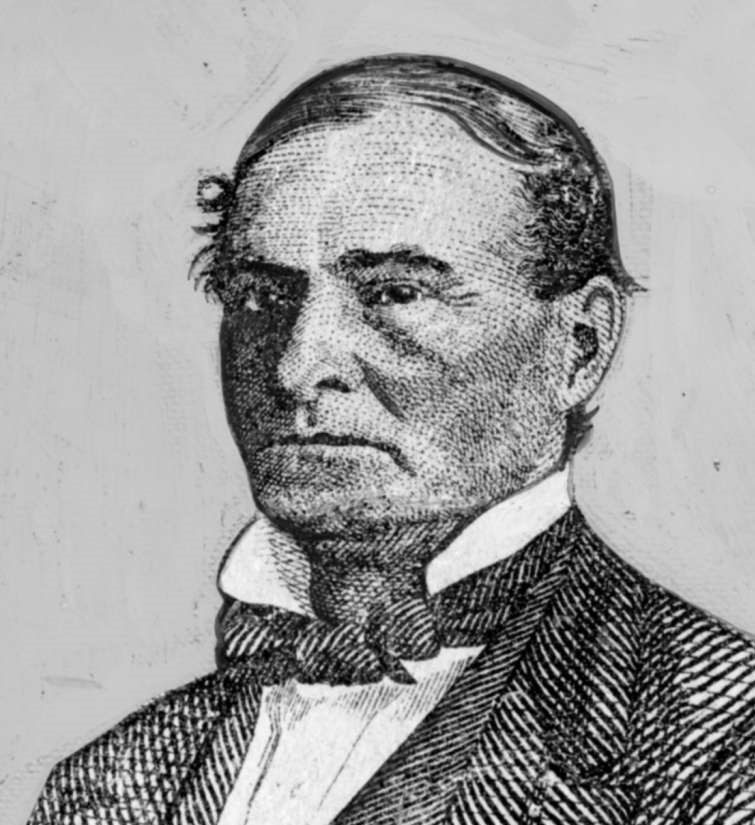

In August 1836, just a few months after Texas obtained independence, Allen brothers John Kirby and August Chapman purchased land along the Buffalo Bayou River and established Houston. James Sanders Holman, a military veteran, entrepreneur and public servant, was the city’s first mayor. Read more about his life and professional path at houston-yes.com.
Early years
James Holman was born on February 7, 1804, in Murfreesboro, Tennessee, to the family of Isaac and Polly Ann Holman. In 1817, he relocated to Lincoln County, Tennessee.
James married his cousin Martha Wilson Holman in 1822 when he was 18 years old. The couple had at least eight children. In 1834, along with his brother William, James landed in St. Augustine County, Texas. They were soon joined by their parents, brothers and sisters.
Taking part in the Texas Revolution
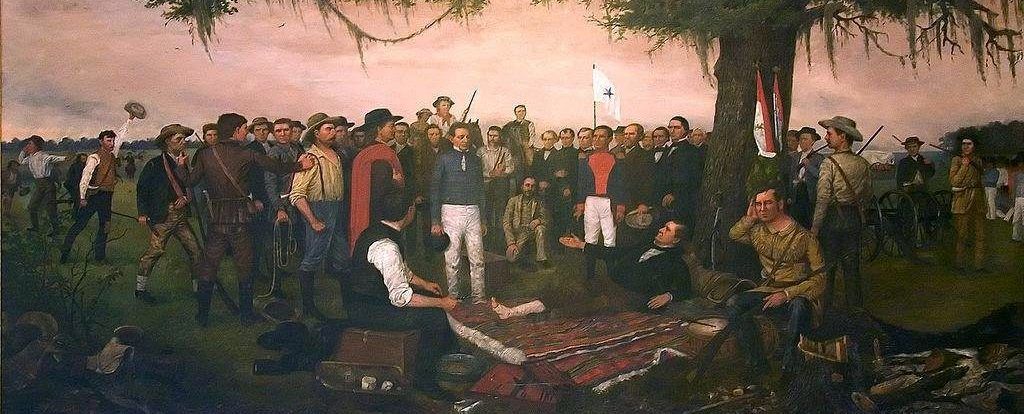
James Holman took part in the Siege of Bexar, an early campaign of the Texas Revolution in which the Texas Army defeated Mexican soldiers at San Antonio de Béxar. The tactical significance of this victory was insignificant, though the Texans’ morale was raised by their success. The Texas soldiers were exhausted by the protracted fight, so mercenaries from the United States stepped in to help.
In general, the Texas Revolution (War of Texas Independence) raged from 1835 to 1836 between the United States of Mexico and Texas, with the goal of establishing Texas as a republic independent of Mexico. The Mexican army was defeated, and the conflict came to an end. As a consequence, the independent Republic of Texas was established, which was ultimately annexed by the United States. James was given land in exchange for his participation in the siege.
Public servant and entrepreneur
Until 1836, Holman served as an agent for Houston founders John Kirby and August Chapman Allen. In this position, he assisted in the introduction of a measure to register Houston in the Texas Legislature. As James advertised and sold Houston land, Holman’s signature may be seen on the city’s first known map and several early acts.
In August 1837, James announced the placement of land plots in Houston and the establishment of the Texas Railroad, Navigation and Banking Company, which he and the Allens founded. Although the corporation was granted permission by the 1st Congress of the Republic of Texas to construct canals and railways and create a bank in the city, it was unable to withstand the relentless political attacks of the then-President of the Republic of Texas Anson Jones.
Political activities
James served as mayor of Houston from August 28, 1837, until November 1837. In August 1838, he tried to get elected to the US Congress but was unsuccessful. From 1839-1841, he worked as the secretary of the Houston-Galveston County Courthouse. After resigning as secretary, James hired Thomas M. Begbie as his agent.
In the early 1840s, Holman made business excursions to New York and Washington, pursuing annexation of Texas to the United States, developing railway communication and engaging in land speculation. Periodically, James visited his wife and children in Tennessee. Around 1854, they were able to relocate to Texas.
In 1856, the politician represented Texas commercial interests in Philadelphia and New York. According to one source, Holman attended the Democratic National Convention in Dallas on April 18, 1860, as a delegate from El Paso, Texas.
During the American Civil War, 1861-1865, Holman served on the Texas Military Department, a group formed to assist the Confederate States of America in trading with foreign powers, despite opposition from the Union (it comprised 24 states). Following the war, Holman directed the construction of the Houston and Texas Central Railway.
On December 8, 1867, the politician died of pneumonia complications in the Texas city of Bryan. Houston honored him by naming Holman Street in his memory.