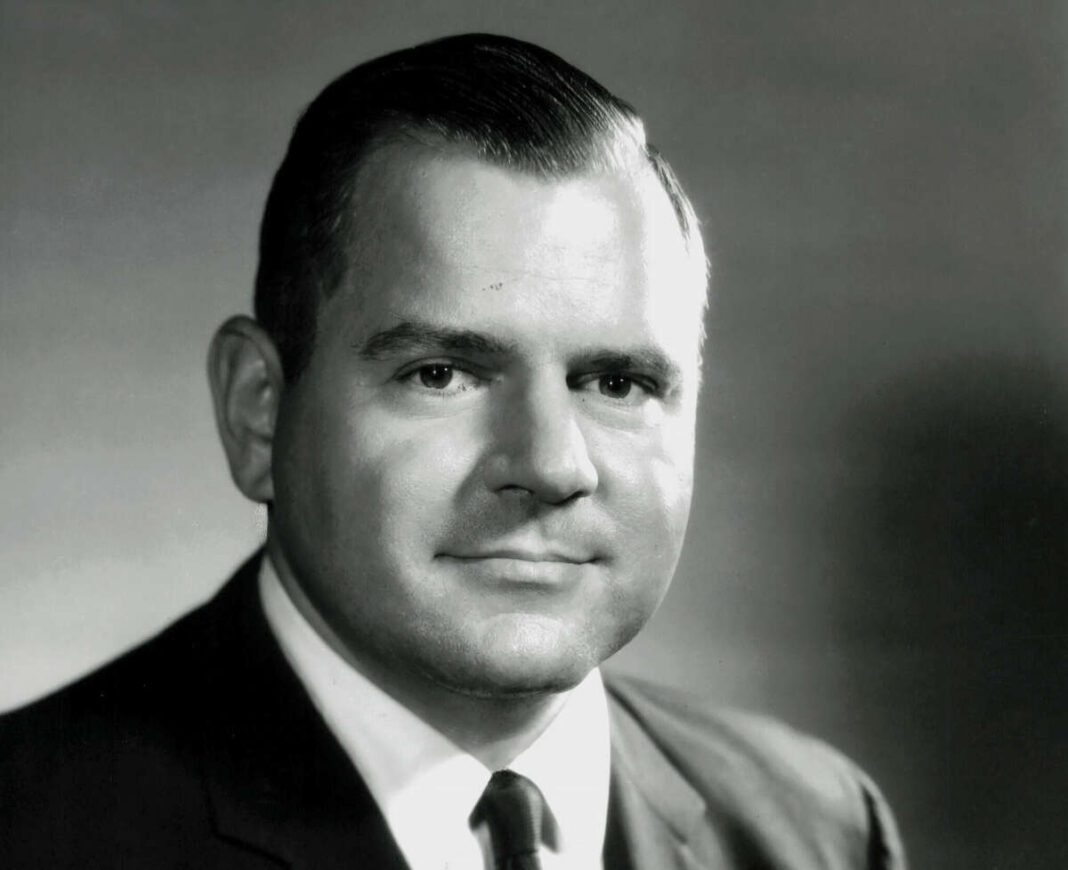

Charles Duncan Jr. became famous when US President Jimmy Carter offered him the position of Deputy Secretary of Defense during the Iranian Revolution. Having demonstrated efficiency and management skills in this position, the Houstonian soon became the US Secretary of Energy.
Before entering politics, Charles was a successful entrepreneur. He headed the family-run Duncan Coffee Company for seven years until it was bought by The Coca-Cola Company. After several years on the board of directors of the beverage manufacturer, Charles headed the corporation. Read more about his life and professional path on houston-yes.com.
Education
The future entrepreneur and politician was born on September 9, 1926, in Houston into a family that made a fortune in the coffee business. In 1943, he entered Rice University in Houston. The training had to be interrupted when, at the age of 17, the boy became a volunteer for the US Army Air Corps.
Still, he received a degree in chemical engineering from Rice University in 1947. For another two years, Duncan studied business administration at the University of Texas (Austin), after which he worked for some time as a chemical engineer at Humble Oil and Refining Corporation.
Duncan Coffee and Coca-Cola
In 1957, Charles joined the family business. A year later, 31-year-old Duncan became the president of Duncan Coffee Company. During his leadership years, the company scaled the production of instant coffee through the acquisition of factories in New Jersey and Pennsylvania. Charles also bought some local brands of ground coffee.
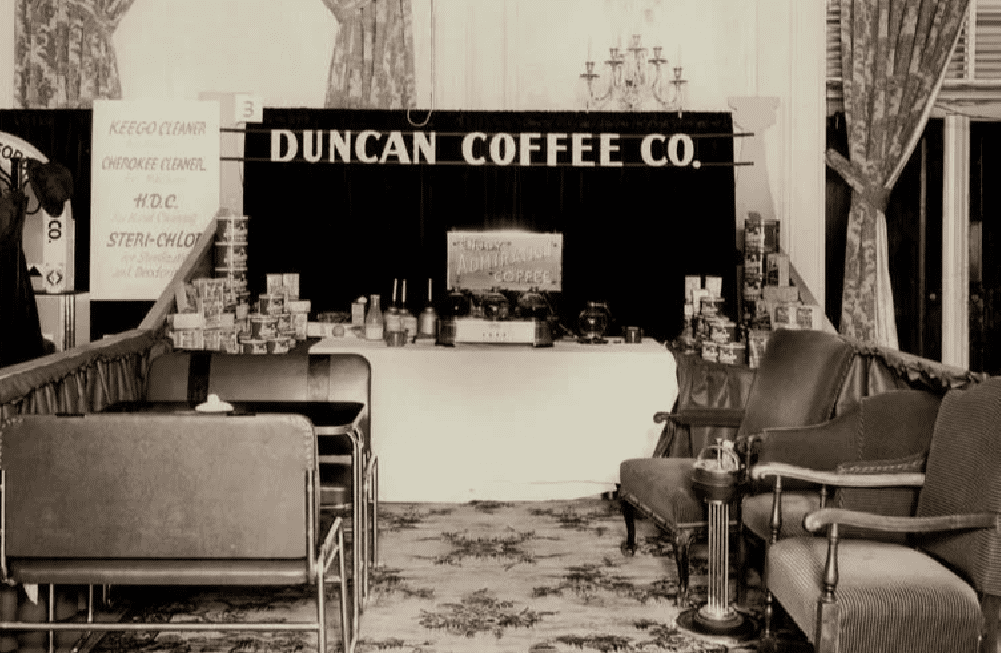
With the popular Maryland Club coffee blend, Duncan turned the company into a formidable competitor to Folgers and Maxwell House. Such rapid success attracted the attention of the Coca-Cola Company management. They bought Duncan’s family business and offered him a place on the board of directors.
On May 8, 1964, Duncan Coffee Company merged with The Coca-Cola Company and Charles Duncan became a member of the company’s board of directors. Thus, he managed the subdivision of Coca-Cola Foods, which produced coffee and drinks from citrus fruits. After three years, Charles moved to London, where he began to manage Coca-Cola Europe. In this position, Duncan regulated approximately 300 bottling plants throughout Europe and Asia.
After entering the Bulgarian market, The Coca-Cola Company became the first American consumer company to break through the Iron Curtain.
From 1971 to 1974, Duncan served as the company’s president. He significantly modernized advertising. As Charles himself later admitted, these four years at the corporation’s headquarters in Atlanta (Georgia) were not always pleasant but they gave him important acquaintances. Having made a good fortune, the entrepreneur bought the famous TE Ranch, which is not far from the city of Cody (Wyoming). The ranch was formerly owned by buffalo hunter Buffalo Bill Cody.
In 1974, Duncan resigned from The Coca-Cola Company and returned to his native Houston to head the Rotan Mosle Financial Corporation and Robertson Distribution Systems.
Deputy Secretary of Defense
In 1976, the President of the US, Jimmy Carter, offered Duncan the position of governor of the state of Georgia. Duncan later moved to Washington to work as Deputy Secretary of Defense. After that, the Iranian Revolution began. It lasted from January 1978 to February 1979 and resulted in the overthrow of the monarchy of Shah Mohammad and the establishment of a new administration of Ayatollah Khomeini.
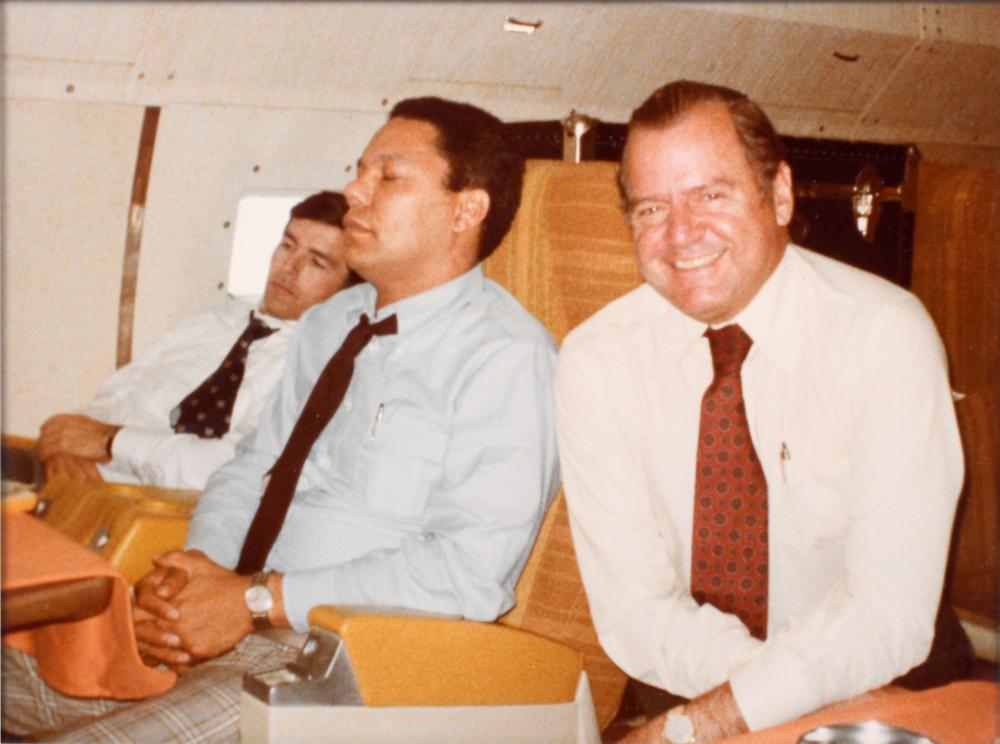
During this time, Duncan made many trips to different countries, including Iran. Some of them were going through strong changes. Colonel Colin Powell was Charles’ military adviser and at the same time his good friend.
US Secretary of Energy
The deposed Shah of Iran was a longtime ally of the United States. After the revolution, the oil supplies guaranteed by him began to decrease rapidly. The public had no idea how serious the consequences could be, so panic spread. There were long queues of cars at gas stations and governors of northeastern states warned of problems with heating homes.
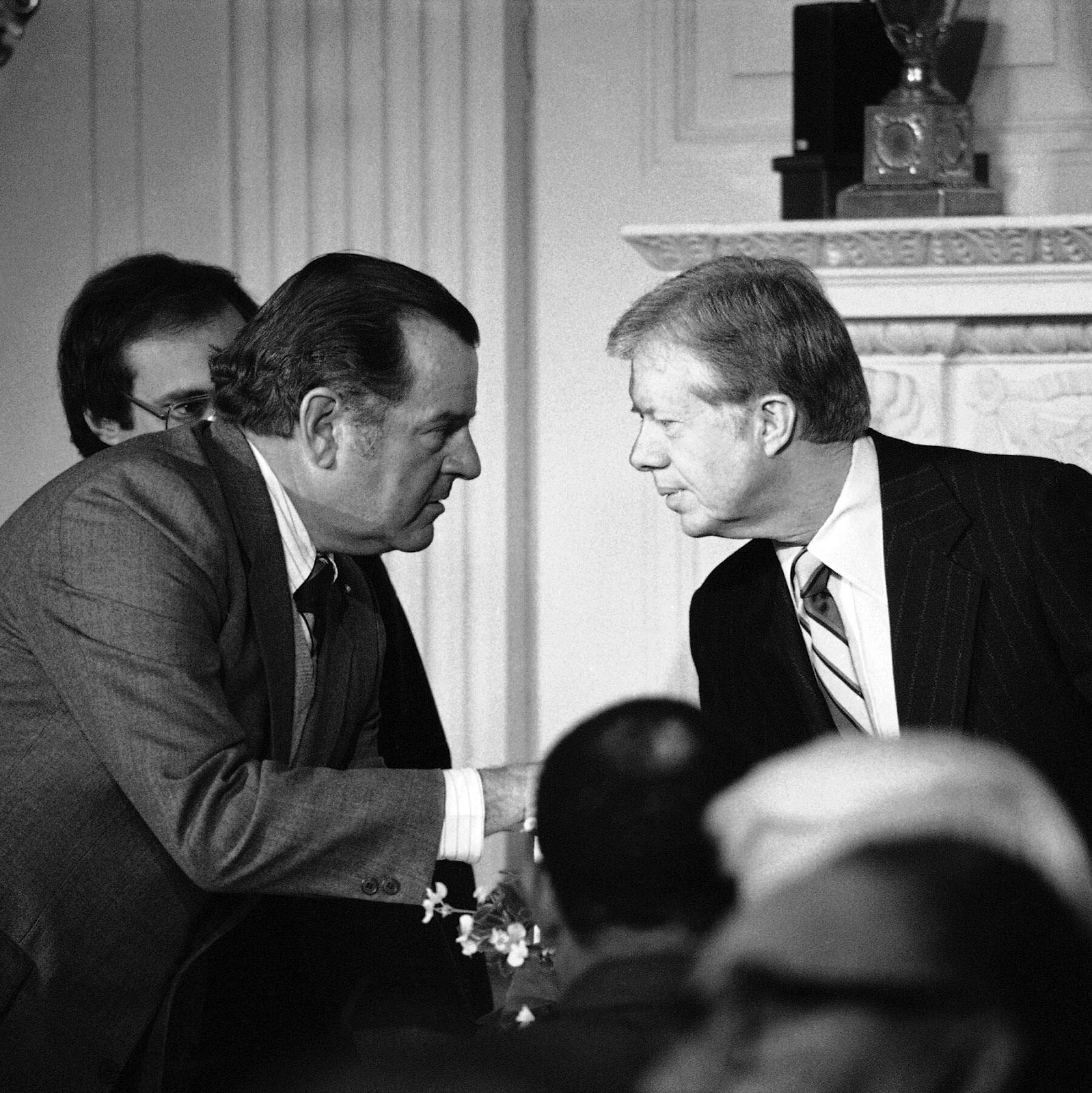
Jimmy Carter was aware of all the dangers, so a few months after his inauguration he created the nation’s first Department of Energy. His tasks were to stabilize the supply of oil to America, to implement energy-saving measures and to develop nuclear and alternative fuel technologies.
In 1979, Carter appointed Charles Duncan as US Secretary of Energy. This appointment caused some criticism among the public because Duncan’s experience in the oil business was very limited. However, management skills helped him to work effectively, negotiate, etc.
Mr. Duncan and Mr. Carter imposed quotas on oil imports and filled the energy deficit with domestic resources such as coal reserves. They received funds from Congress to produce gasoline for automobiles using wood chips, corn and alcohol.
They offered credit and price guarantees to attract private industry, and tax incentives to protect homes. There was no obligatory reduction in gasoline consumption, so queues at gas stations gradually disappeared. The energy deficit continued for some time but turned out to be less severe than expected.
Duncan has been highly praised for his commitment to governance, calm demeanor and ability to get along with people from the White House to Congress, as well as industry and consumer groups.
Corporate and government service
At the end of Carter’s term, in January 1981, Duncan left Washington for his native Houston. There, together with his brother John, he opened the private investment company Gulf Partners. In addition, he has served on the boards of several major companies such as The Coca-Cola Company, Texas Eastern, United Technologies and more. Duncan was also a partner in Houston NFL Holdings, LP, treasurer and director of Houston Methodist Hospital, director of the Welch Foundation, etc.
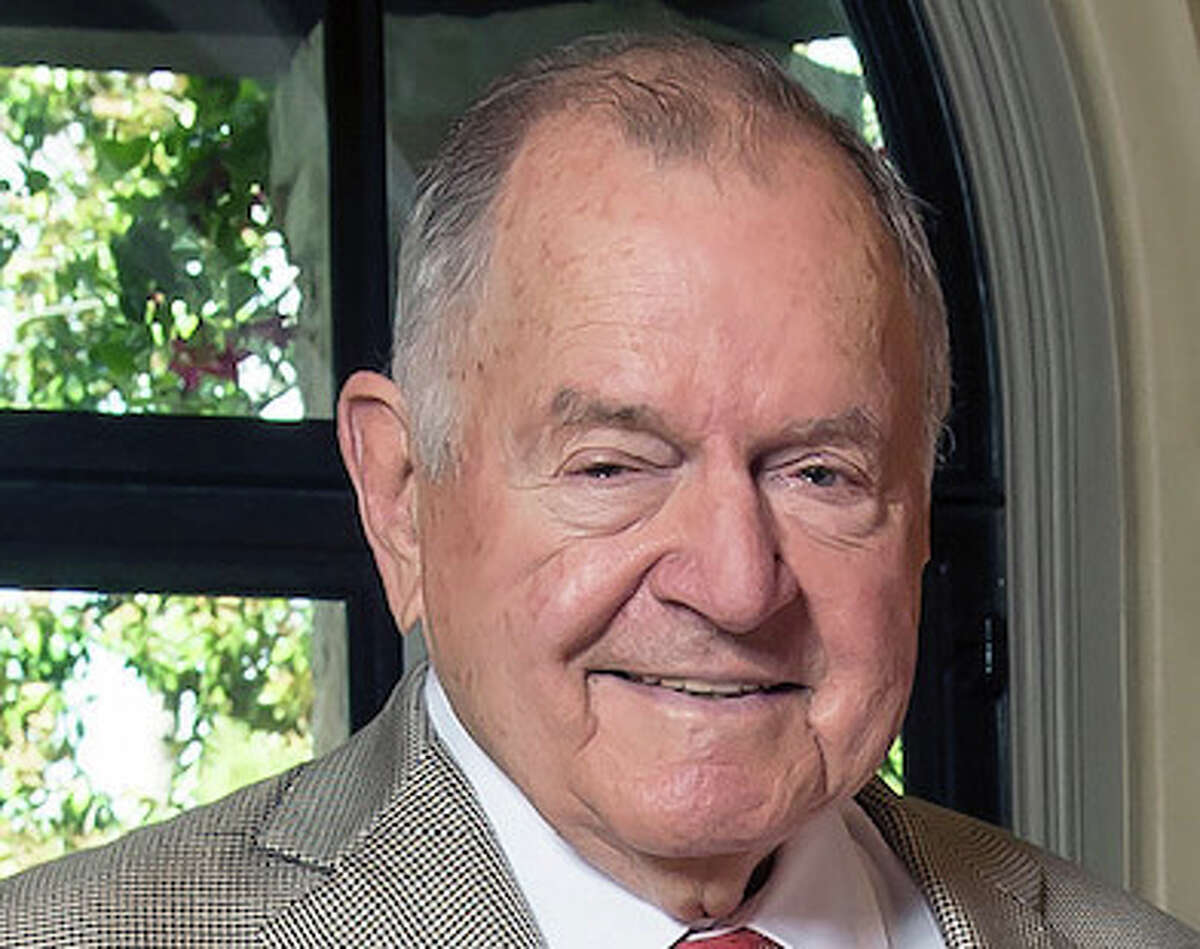
In 2004, at the invitation of Texas Governor Mark White and billionaire politician Ross Perot, Charles became a member of the Select Committee on Public Education and the Texas State Board of Education. This Board created a somewhat controversial rule for athletes, requiring them to earn passing grades in all academic classes.
Chairman of the Rice University Board
Not only is Duncan a graduate of Rice University, he has served as a trustee on the University’s Board of Governors on several occasions throughout his career. From 1982 to 1996, he held the position of chairman of the University Board. He lobbied for the recruitment of international students and also helped open the James A. Baker III Institute for Public Policy. During the 14 years of Duncan’s presidency, the university endowment increased approximately fourfold. He also led the search for two university presidents, George Rapp and Malcolm Gillis.
When Charles retired from the board, the University named the computational engineering building after him and his wife, Ann. In 2007, the couple donated $30 million to the University to create an 11th residential college, also named in their honor.