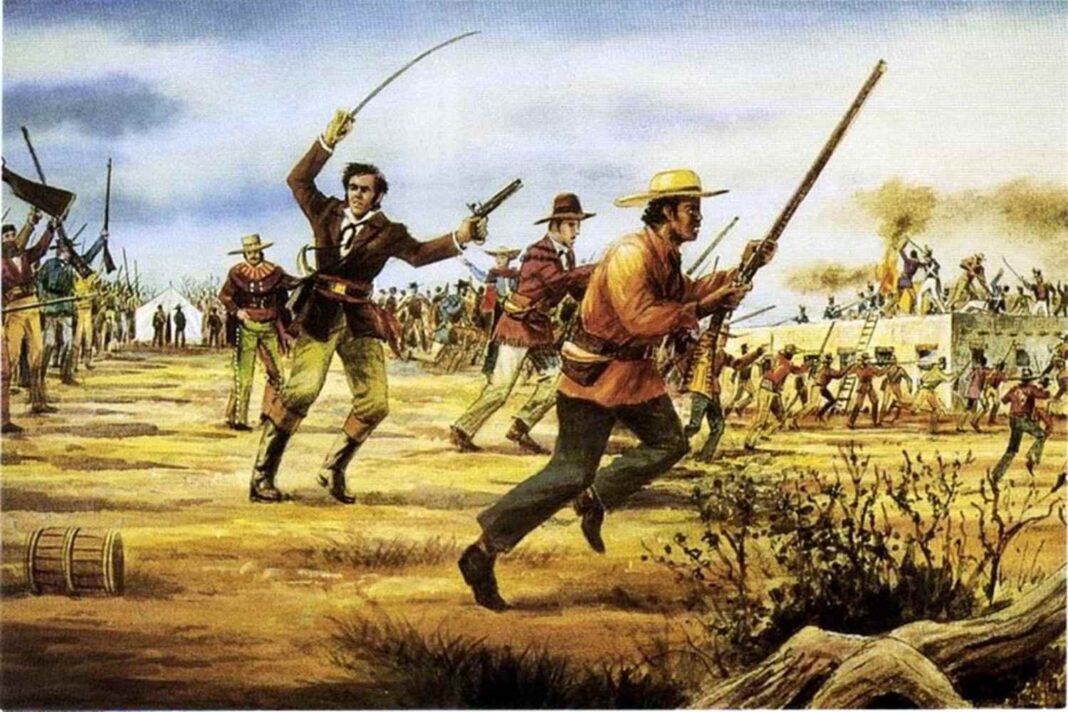

The Texas War for Independence (also known as the Texas Revolution) was fought between Mexico and the Texas colonists from October 1835 to April 1836. The conflict resulted in Texas’ independence from Mexico and the establishment of the Republic of Texas. Find out more at houston-yes.com.
Colonial period
In 1821, the Republic of Mexico declared independence from Spain and intended to seize control of its northern areas, which had previously been under Spanish rule. The northern region, which later split into the U.S. State of Texas and the Mexican Coahuila, was inhabited by Mexicans and Native American Apache and Comanche tribes.
In 1820, Spain opened this northern region to Anglo-American settlements. For the following seven years, settlers in Mexico were excluded from certain customs and taxes. Furthermore, immigrant slave owners could use the labor of enslaved people, despite the fact that Mexico prohibited slavery in 1829.
Anahuac disturbances
Fearing an increase in the influx of immigrants from the United States, Mexico prohibited further settlement of Anglo-Americans in Coahuila and Texas in April 1830.
Over the course of the following two years, a conflict developed between Texans and a group that comprised members of the Mexican government and minor military troops near the area that is now Houston. The troops guaranteed customs tariff compliance and prohibited smuggling and Anglo-American immigration. All of this occurred prior to the 1832 disturbances in and around the Texas city of Anahuac.
The uprising culminated in the Battle of Velasco on June 26, 1832, which was won by the Texans. After then, the Mexican garrisons were still present throughout Texas, with the exception of Goliad and San Antonio. At the time, Mexican General Antonio López de Santa Anna led an uprising against then-Mexican President Anastasio Bustamante.
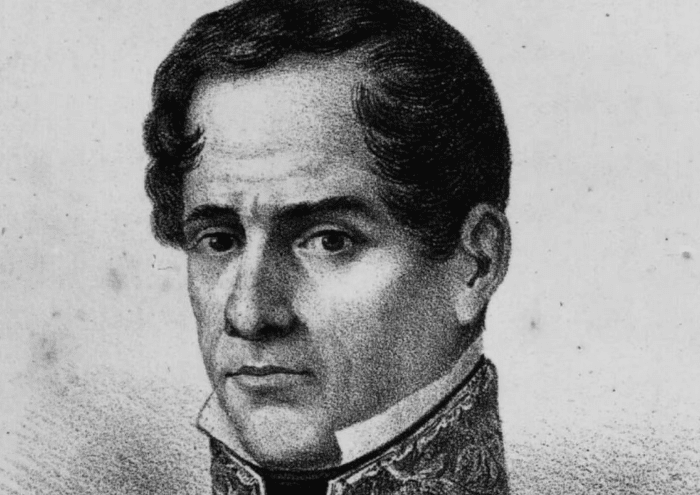
In 1832 and 1833, Texas colonists petitioned the Mexican government to exempt them from tariffs, establish Texas as a distinct state and overturn the statute forbidding Anglo-American immigration. The Mexican government agreed to remove the immigration legislation but refused to meet other demands.
Counterattack
At some point, Antonio López de Santa Anna turned into a centrist dictator. In 1836, he created the Seven Laws constitution, which legally transferred authority to land aristocracy and reinstated states as military districts. In September 1835, he began reclaiming central authority over Texas, certain that it would be annexed by the United States later.
In late September, Mexican forces proceeded to the Texas city of Gonzales but were halted by 18 militiamen near the Guadalupe River. After outnumbering their opponents, Texas soldiers launched an attack on October 2, forcing the Mexicans to retreat to San Antonio.
In mid-October, the Texian Army, headed by Stephen F. Austin, started a siege of San Antonio, followed by a counterattack in other cities. The first week of December saw the start of the Texans’ attack, which culminated on December 11 with the capitulation of Mexican forces.
Battle of the Alamo and Goliad Massacre
With more than 7,000 soldiers, Santa Anna started advancing north, determined to punish the rebellious Texans he viewed as pirates. The weather did not contribute to the general’s plans since it was cold and windy.
In early 1836, the Mexicans crossed the Rio Grande River, then advanced to the Texas city of San Antonio. San Antonio and Goliad were both situated on one of the two main roadways between Mexico and Texas, therefore they were well-protected.
The Texans made the Alamo settlement the center of their defense. Troops numbering about 150 people were waiting for the Mexican advance. While many of the Texas defenders of Goliad and San Antonio withdrew home, volunteers from the United States were participating in the battle. They arrived either in quest of excitement or in the hopes of acquiring cheap land.
On February 23, Santa Anna’s forces arrived at the Alamo. The Mexican siege and bombing lasted until the Mexican invasion on March 6, during which all of the Alamo’s defenders were murdered. Among the deceased were women, children and slaves who had not participated in the battles.
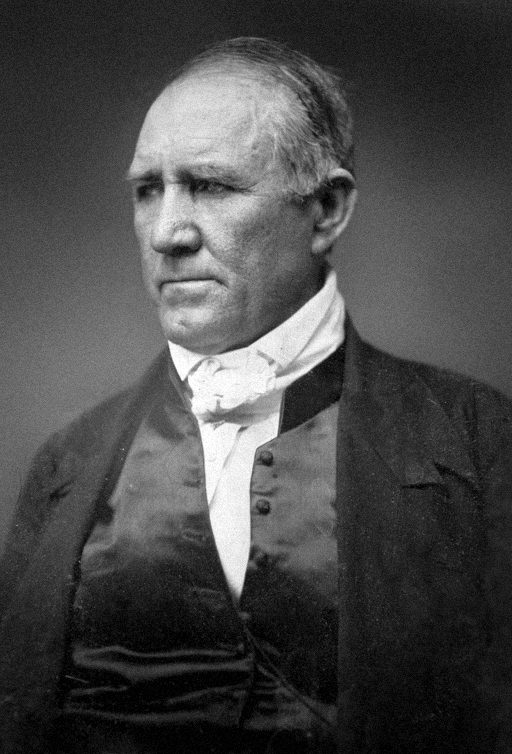
At this time, Washington-on-the-Brazos (Washington County) hosted the Texas Congress, where 59 representatives discussed the future of Texas. On March 1, the first day of Congress, a draft of the Texas Declaration of Independence was developed. On March 2, the declaration was presented and adopted. By March 17, the Texas Constitution had been written and adopted. The commander-in-chief of the Texas Army was Samuel Houston, after whom the city of Houston was eventually named.
On March 27, 1836, after the battles of Refugio and Coleto, the Goliad Massacre took place. More than 400 Texas Army prisoners of war were executed by Mexicans in the city of Goliad. The massacre was carried out under Santa Anna’s orders by Lt. Colonel Jose Nicolas de la Portilla. They massacred all of the Texas troops except 28 people who pretended to be dead and then fled. Another 20 men were released as doctors, translators or workers thanks to Francita Alavez, also known as the Angel of Goliad. In addition, 75 soldiers from the William Parsons Miller and Nashville Battalion were pardoned for wearing white armbands.
The bodies of Texans were burned after the execution. The charred remains were left in the open air, exposed to easy access for predators. In June 1836, General Thomas J. Rusk discovered the remains of the massacre victims and demanded a full military funeral. Human bones were buried southeast of the Presidio La Bahía. This place was designated as the Fannin Memorial Monument.
Battle of San Jacinto
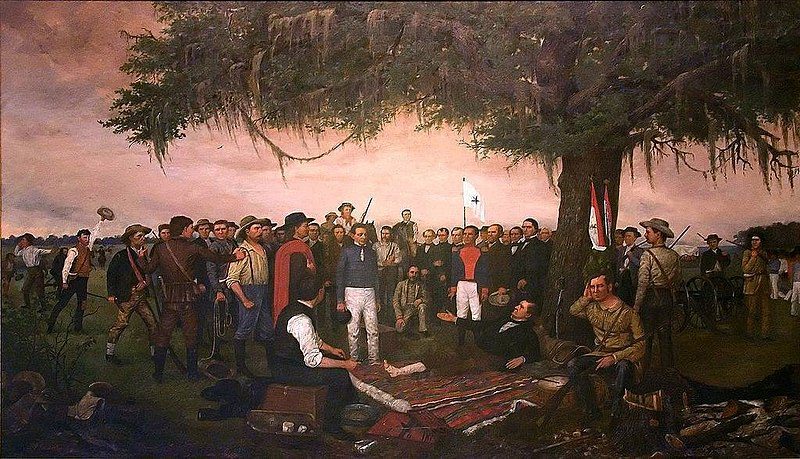
The decisive fight of the Texas Revolution took place in San Jacinto County on April 21, 1836. The Texas Army, led by General Samuel Houston, attacked and defeated Mexican forces under the command of Santa Anna. The battle lasted only 18 minutes. There were around 1,200-1,300 Mexican soldiers killed or captured. Among the Texas fighters, there were only 9 losses.
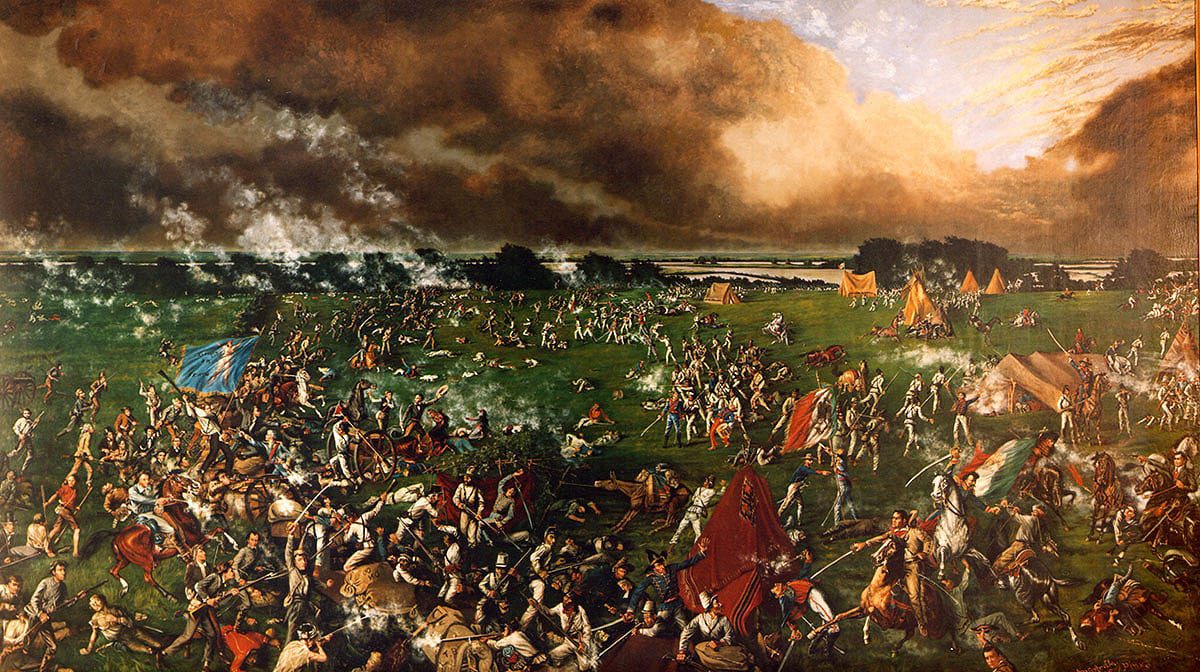
According to legend, the general and president of Mexico, Antonio López de Santa Anna, was in no haste to respond to the attack because he was involved in a sexual connection with a certain woman. When the general attempted to flee, he was apprehended and forced to order his army to retreat to Mexico.
On May 14, he signed the Treaties of Velasco, a pair of documents signed between Mexico and Texas in Velasco, Texas. The treaties signified the end of hostilities and the first steps towards the official recognition of the independence of the Republic of Texas. One was open to the public, while the other was secret. They both were never ratified by the Mexican government.
The public treaty recognized Texas and ended the war. The secret one featured Santa Anna’s promise to do all in his power after his return to Mexico to guarantee that the public treaty was respected by the Mexican government. The secret document was not to be released until all of the terms of the public treaty were met. The Mexican government, however, deposed Santa Anna and refused to recognize Texas. It continued conflicts with Texas until the Mexican-American War. In any case, the Republic of Texas was established in 1836, despite the fact that Mexico refused to recognize it. In 1845, Texas was annexed by the United States, which granted it state rights.