

In today’s world, unpredictable events are becoming the norm. A city’s ability to withstand disaster and recover quickly is crucial. This applies whether it’s a natural disaster, an economic downturn, or a pandemic. This capability is known as a resilience strategy. It’s no longer just a theory; it’s now a cornerstone of effective governance. But what exactly does this term mean?
How does a major city learn to do more than just react to crises? How does it build systems that help it adapt, minimize damage, and even grow stronger after a storm? On houston-yes, we’ll explore this process. We’ll uncover the key aspects of modern crisis management and Houston’s resilience strategies.
2024 Collapses: Warning or Prophecy?
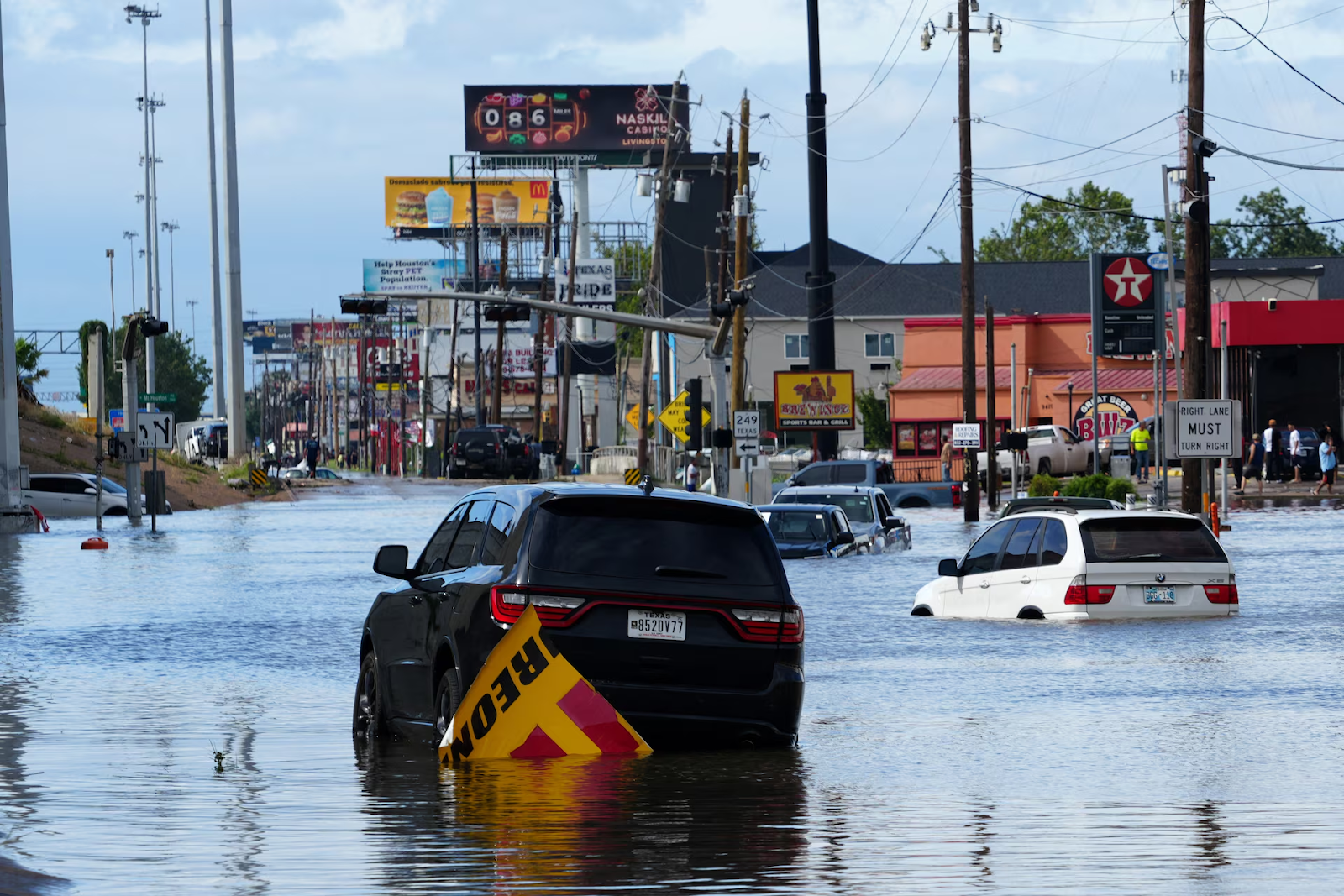
The ominous Hurricane Beryl in July 2024 caused widespread destruction. It brought significant flooding and prolonged power outages to Houston and its coastal areas. Over 2.7 million homes and businesses lost power. This created dangerous conditions, especially with high temperatures. Homes and infrastructure were damaged, and there were reported casualties. Fire stations, water treatment plants, and cooling centers, all critically needed during heat waves, were left without electricity.
Earlier that spring, the city experienced a shocking series of storms. This exposed weak points in the city’s response strategy. City authorities had to quickly address these new challenges.
From Concept to System
To be fair, city leaders began developing a crisis management system even before these tragic events. In February 2020, they introduced the Resilient Houston strategy. This is a multi-layered program. It’s a comprehensive approach designed not just for the city to recover from disasters. Instead, it aims for Houston to adapt, strengthen, and thrive amidst changing climate and societal challenges.
“Resilient Houston” is unique because of its multi-faceted approach. It combines infrastructure upgrades, social initiatives, and environmental solutions. The city isn’t just “rebuilding”; it’s working proactively. This is a core part of their philosophy. The strategy was developed with hundreds of stakeholders, from local communities to international experts. It includes 18 high-priority goals covering five key areas.
Core Pillars of the Strategy
One central element of the program is the Resilience Hub Network. These hubs are more than just shelters during disasters. They function year-round as resource and support centers for vulnerable communities. The network consists of four interconnected components:
- Primary Hubs (main facilities and coordination centers);
- “Super Spots” (large community resource centers);
- “Spots” (neighborhood-level services);
- “Spokes” (infrastructure connecting these facilities).
This system operates continuously in three phases. These include a stable state (for community building and preparation), disaster response (for emergency coordination), and recovery (for long-term rebuilding). This approach ensures that help and resources reach those who need them most, regardless of the crisis phase.
Broad Vision and Partnership
“Resilient Houston” is more than just a list of actions. It’s a comprehensive roadmap that integrates existing initiatives with new projects. It aims to address not only immediate threats, like hurricanes or heatwaves, but also chronic issues. These include aging infrastructure, poor air quality, and community inequality. The city actively involves citizens, city departments, and regional and international partners. This shows an understanding that resilience is a collective effort.
This strategy demonstrates how a city can not only survive but also transform. It creates a healthier, more equitable, and more prosperous environment for its residents. This is true even when facing increasing challenges. “Resilient Houston” proves that effective crisis management isn’t just about reacting. It’s about deep, systematic work to build a resilient future.
Components of Houston’s Resilience Strategy
The aforementioned program is just one example of crisis management. Houston has several such strategies. Below is a list of the most successful ones:
- Resilience Hubs – developing a network of special aid centers with solar panels, refrigerators, and water supplies.
- Power Protection Initiative. Installing generators at over 350 city infrastructure facilities by 2027.
- Opening 12 cooling centers and 10 district rescue points during heat waves.
- New building standards in flood-risk zones.
- Harris County Climate Justice Plan. Focused on the needs of underserved areas.
- Increased public awareness: inviting registration for the AlertHouston system.
- Integration of sustainability and resilience offices into a single administrative structure.
Key Elements and Implementation Status
| Component | Description | Implementation Status |
| Resilience Hubs | Aid centers with energy autonomy | First opened in 2023 |
| Power Protection Initiative | $151 million for backup generators | In progress, completing by 2027 |
| Cooling Centers | Protection during heat waves | 12 active centers |
| New Building Standards | Ban on development in flood zones | Implemented |
| Climate Justice Plan | Protecting vulnerable areas | Approved in 2025 |
| AlertHouston System | Emergency notifications | Needs improvement |
| Integrated Resilience Office | Unified leadership for sustainable programs | Created |
Conclusion
Houston’s resilience is more than just technical modernization; it’s a social restructuring. Here, resilience doesn’t mean returning to the old ways. It means creating a new, stronger order. Many challenges still lie ahead. But the direction is clear. It’s towards integration, fairness, and transparency.