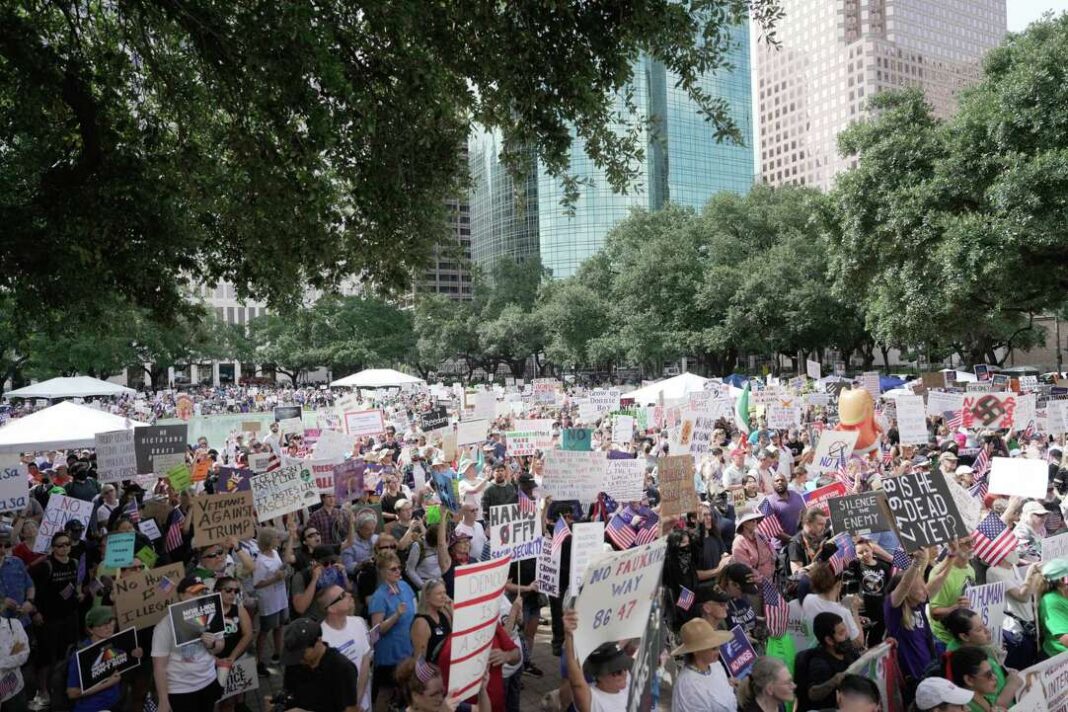

Houston is known as one of the largest cities in the United States. But our city is recognized not only for its economic development—it also has a long tradition of civic engagement. For decades, Houston has been a stage for rallies and protests that have played a crucial role in shaping the city’s social and political landscape. Just as importantly, Houston’s demonstrations reflect the diversity and multifaceted nature of its residents’ concerns. Today, let’s take a closer look. Read more on houston-yes.com.
Protests in the 20th Century: What Houstonians Demanded
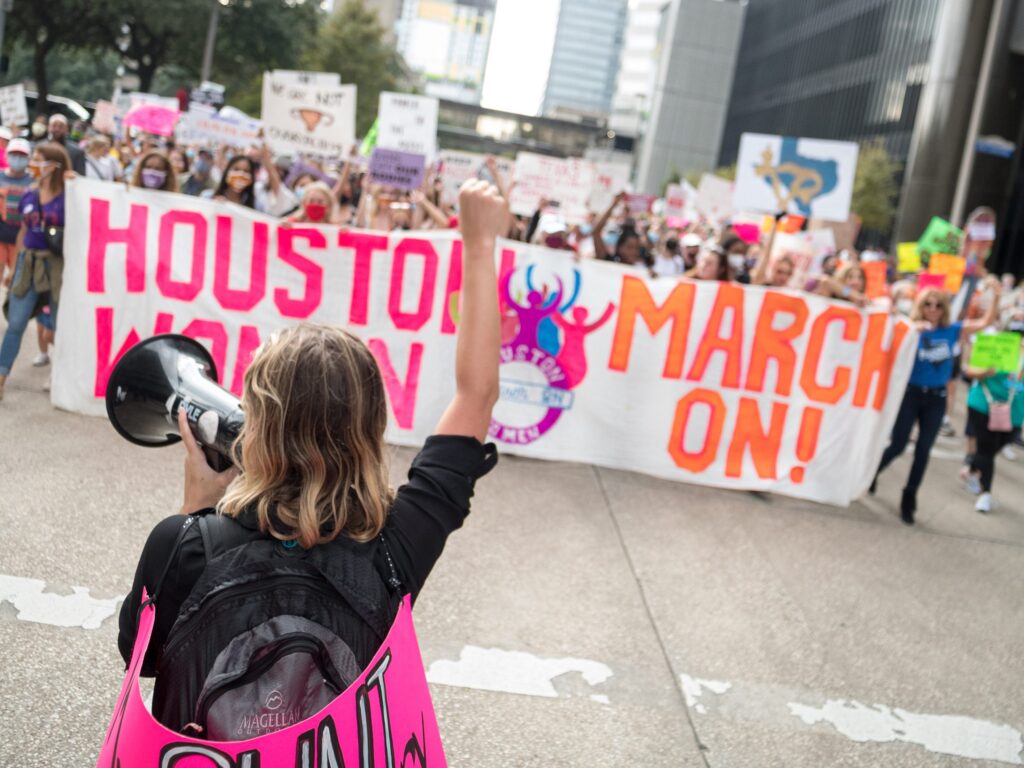
In the last century, Houston became one of the centers of the civil rights movement. For example, during the 1960s, amid the push for racial equality, the city saw massive rallies and demonstrations. One notable episode was the Houston Uprising of 1967—a wave of protests sparked by systemic discrimination against African Americans in housing and employment. Nearly 1,000 African Americans participated, and the movement led to changes in local laws, including a ban on housing discrimination.
Another milestone was the 1978 airport workers’ strike, which drew more than 5,000 participants demanding higher wages and better working conditions. This strike went down in history as one of Houston’s largest labor disputes.
Overall, protests in Houston had a tangible impact on legislation and social policy. Thanks to the civil rights movement of the 1960s and 1970s, the city enacted laws prohibiting discrimination and improving the quality of life for minority communities.
Rallies and Protests in Modern Times
If you think rallies and protests in Houston were left in the past, think again. Residents of the city continue to fight for their rights. Today, demonstrations often focus on immigration, racial justice, and socio-economic inequality. Between 2015 and 2025, the scale of protests grew significantly, reflecting the political activism of the city’s 2.4 million residents.
In May 2020, Houston hosted a major Black Lives Matter rally following the death of George Floyd. More than 10,000 people gathered in just the first few days, demanding police reform and justice. While most demonstrations were peaceful, some escalated into clashes with police, leading to arrests. Official reports confirm that over 100 people were detained.
In 2025, Houston again became the center of attention with large protests against federal deportation policies. More than 2,000 people rallied in support of immigrant rights, highlighting the activism of the city’s diverse ethnic communities. These demonstrations were part of a nationwide movement responding to harsher federal immigration measures.
That same year, in August 2025, Houston saw mass demonstrations tied to the May Day Strong movement, supported by AFL-CIO unions. Protesters opposed the influence of large corporations on U.S. politics, accusing billionaires of undermining democracy and fueling inequality. Hundreds of Houstonians joined in, making the city part of coordinated protests across more than 900 U.S. cities.
The history of rallies and protests in Houston is ultimately a history of the fight for justice, equality, and rights. From civil rights to labor struggles, and from immigration to economic fairness, Houstonians have long used their voices to demand change.
We hope this overview helped you better understand your city’s past and present.