

According to Houston authorities, members of the Texas Syndicate are responsible for at least 50 murders every year in the city. In addition to homicides, the gang is tied to numerous cases of extortion, kidnappings, robberies, and assaults. Despite years of law enforcement crackdowns and massive resources devoted to dismantling it, the Texas Syndicate continues to thrive, wreaking havoc on Houston’s safety and economy. What’s the secret to the gang’s longevity — and how does it operate from the shadows? Read more on houston-yes.
The Major League of Crime
Thousands of Texas Syndicate members are currently behind bars. Many appear on federal wanted lists, and dozens serve life sentences in prisons across the country. In Houston alone, three to four gang members are sentenced to life imprisonment every month. Yet thousands remain free, and law enforcement’s battle against them never stops. Catching them, however, is nearly impossible. Within the gang, betrayal carries one punishment — death. The rule is simple and absolute: “If you betray us, you die.”
The Syndicate enforces this code ruthlessly. Even a whisper of disloyalty can mean execution. Because of this, witnesses, informants, and anyone connected to the group rarely speak, even when offered protection programs or generous deals. A chilling example of the gang’s control was the public murder of a low-level criminal nicknamed “Third Eye,” known for a scar on his forehead. He was shot in broad daylight outside a local entertainment venue after bragging about his ties to the Texas Syndicate — a fatal mistake and a warning to others who dare to talk.

Origins and Mafia-Style Traditions
The Texas Syndicate was born in the 1970s inside prison walls. Like many U.S. correctional facilities, Texas prisons were dominated by racial gangs — primarily the Aryan Brotherhood and the Mexican Mafia. Inmates who didn’t belong to either formed their own organization, calling it the Texas Syndicate to reflect its strength and unity. Although mostly composed of Mexican Americans, other ethnicities were occasionally accepted, but only after proving unwavering loyalty.
From its inception, the Texas Syndicate operated with the hierarchy and discipline of a Sicilian-style mafia. A small group of elite leaders made top-level decisions, while lieutenants and managers executed their orders. At the bottom were the soldiers — the enforcers and foot soldiers who carried out the gang’s violent work.
To join the Syndicate, recruits must undergo brutal initiation rituals, often involving acts of violence. Once accepted, new members swear an oath of total allegiance — one that places the gang above family, faith, and everything else. Violation of this oath means death. After taking the pledge, initiates receive a tattoo marked “TS,” a permanent symbol of their new allegiance.
Despite its brutality, the Syndicate maintains an internal code of loyalty. Members are expected to protect and support one another, especially the families of those imprisoned or killed in service to the gang. The organization also emphasizes Mexican heritage, language, and cultural traditions as core elements of its identity.
Beyond the Prison Walls
Over time, former inmates expanded the Texas Syndicate’s reach beyond prisons, establishing a vast criminal network throughout Houston and across the Southwest. Their primary enterprise: drug trafficking. The gang oversees routes smuggling narcotics from Mexico into the United States for nationwide distribution. But their operations extend to extortion, kidnappings, and violent robberies — classic hallmarks of organized crime.
Rival drug dealers are eliminated without hesitation. Hit squads — often two or three members — storm their targets’ homes, seize money and drugs, and dispose of the competition. When internal betrayal is suspected, gang leaders convene a council to weigh evidence and vote on punishment. A majority vote is all it takes to issue a death sentence — a grim kind of democracy within the Syndicate’s ranks.
Despite repeated crackdowns, authorities have been unable to eradicate the group completely. The Texas Syndicate remains one of the most dangerous and enduring criminal organizations in the state.
Inside the Life of a Texas Syndicate Member
One of the Syndicate’s incarcerated members, a Houston native of Mexican descent known by the nickname “Barney” Mendoza, is serving a life sentence for murder. From his solitary confinement cell — where he spends 23 hours a day — he granted an interview to the Houston Chronicle.
Mendoza described the gang’s current state as weakened but not defeated. Many of its top leaders are dead or imprisoned, yet the organization still wields power across Texas. Reflecting on his past, Mendoza admitted that joining the Syndicate destroyed his life — a choice he made willingly. “I lost everything,” he said. “Even my future. People think we’re monsters, but inside, it’s built on loyalty and brotherhood.”
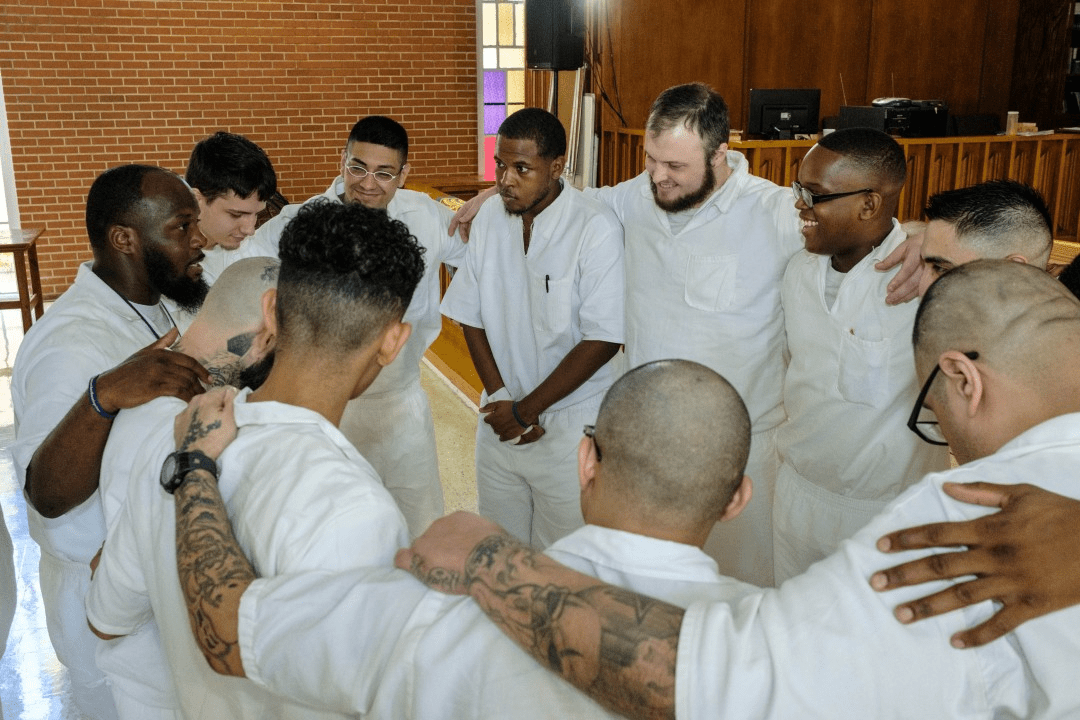
He recalled tattooing himself during his first prison sentence using a needle, shampoo, and ash — his first mark of allegiance. Mendoza said he once dreamed of becoming a Marine, imagining himself walking into his mother’s home in a blue uniform. Instead, he will spend the rest of his life in a white prison jumpsuit. “That dream’s gone,” he said quietly. “The streets caught up to me.”
Despite offers of witness protection and freedom in exchange for cooperation, Mendoza refused. When asked why, he quoted the gang’s code:
“When Moses came down from Mount Sinai, he had ten commandments. In the Texas Syndicate, there are twenty-two. Break one — and you’re dead. My life’s far from perfect, but I still want to live.”