
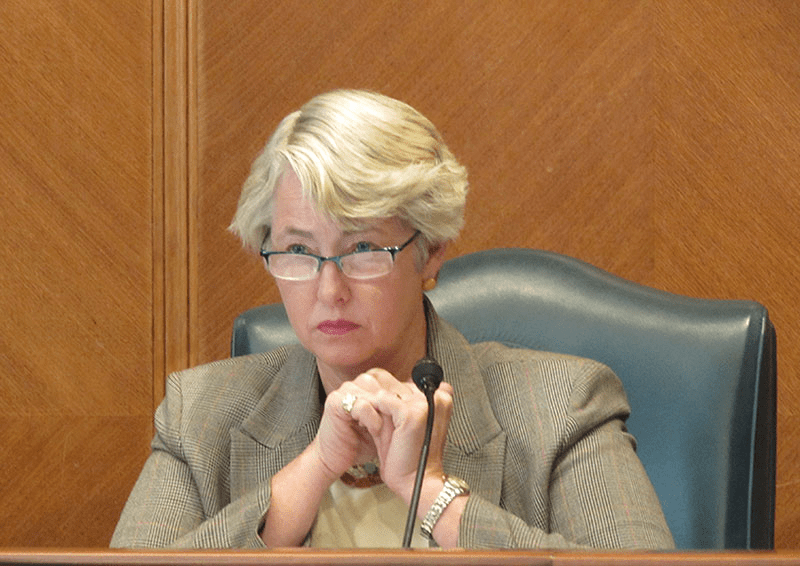
Annise Parker belongs to the kind of people who stand firmly by their beliefs and never shy away from swimming against the current. Throughout her remarkable political career, Parker stayed true to her convictions and turned them into tangible achievements. She served six years on the Houston City Council, six years as City Controller, and another six years as the city’s mayor. Parker was one of only two women ever elected mayor of Houston—and the only openly LGBTQ+ individual to hold such a high office in the city’s history. In fact, she became the first openly gay mayor of a major U.S. city. More on houston-yes.
A Houston Childhood and Youth in Europe
Annise Danette Parker was born on May 17, 1956, in Houston, Texas. Her early years were spent there, but when her father—an employee of the Red Cross—was assigned to a long-term post in West Germany, the Parker family relocated to Europe. A lively and driven child, Annise quickly adapted to her new surroundings in Mannheim, where a U.S. Army base was located. She made friends easily and became active in youth community programs on base. Her leadership and initiative earned her a national scholarship to study at any American university of her choice. She chose Rice University in her hometown of Houston, where she returned to earn her bachelor’s degree in anthropology, sociology, and psychology in 1978.
Building an Independent Career
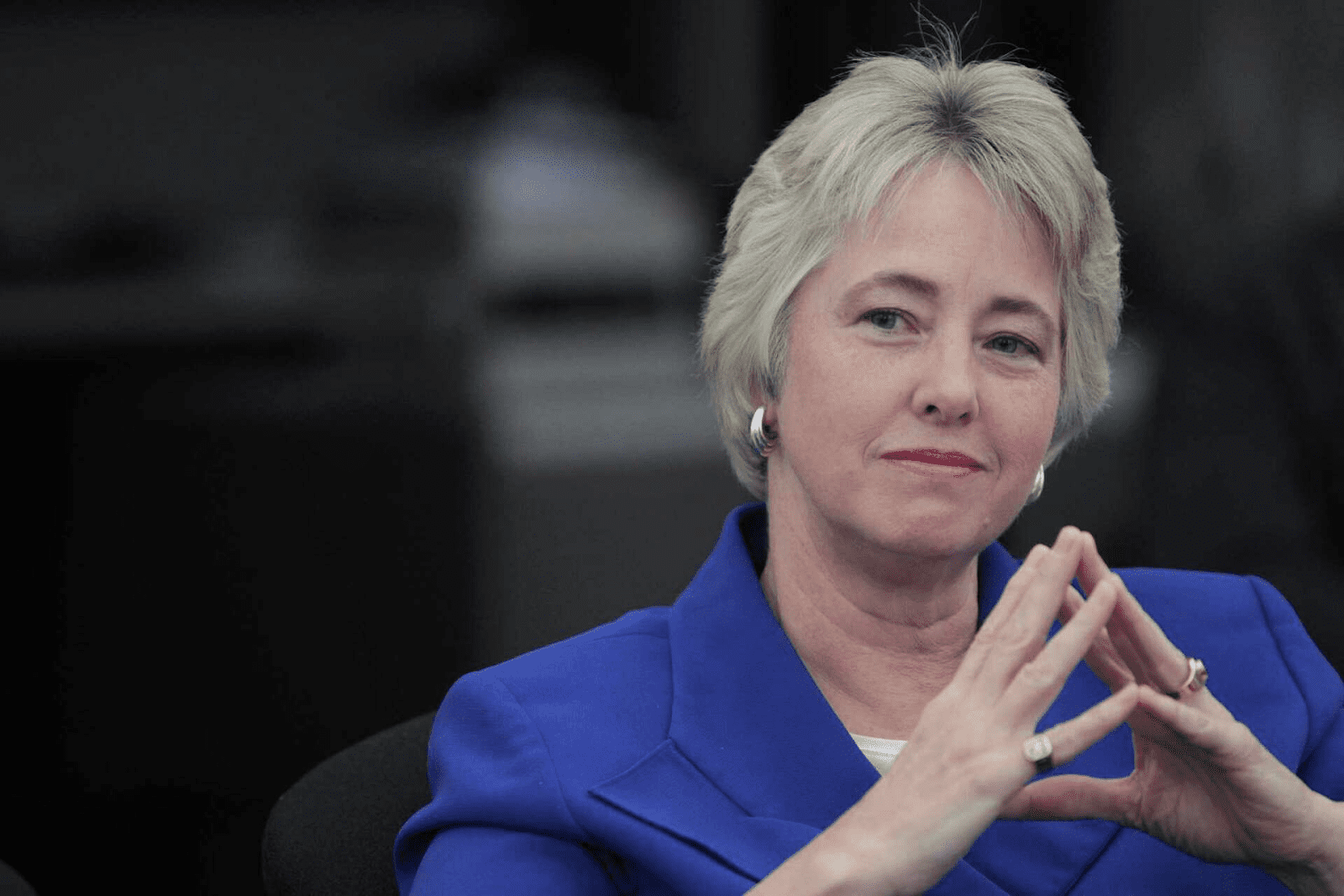
After graduating, Parker began her professional career as a software engineer at Mosbacher Energy in Houston, an oil and gas company where she worked for 20 years. Ambitious and energetic, she didn’t confine herself to one field. She co-owned a bookstore, volunteered extensively, and even worked for the IRS as a tax inspector—all while staying active in community advocacy and local organizations.
Eventually, her passion for civic service led her into politics. Her first two attempts to win a seat on the Houston City Council were unsuccessful, but Parker was not easily discouraged. She persevered, and on her third try in 1997, she won. For the next six years, she focused on improving city planning, expanding infrastructure, boosting arts funding, and advancing equal rights initiatives for Houston’s diverse communities.
Her dedication and results earned her widespread respect, and in 2003 she was elected City Controller—the second-highest position in Houston’s municipal government. She embraced the responsibility of overseeing the city’s finances, playing a key role in balancing Houston’s budget and increasing fiscal transparency. Her leadership helped strengthen the office and modernize city financial management.
Beyond her official duties, Parker served on multiple civic boards and committees, including those overseeing the Houston Zoo and the Holocaust Museum Houston. She also chaired an independent crime oversight committee. For her commitment and success, she was re-elected as City Controller in both 2005 and 2007.
Leading Houston as Mayor
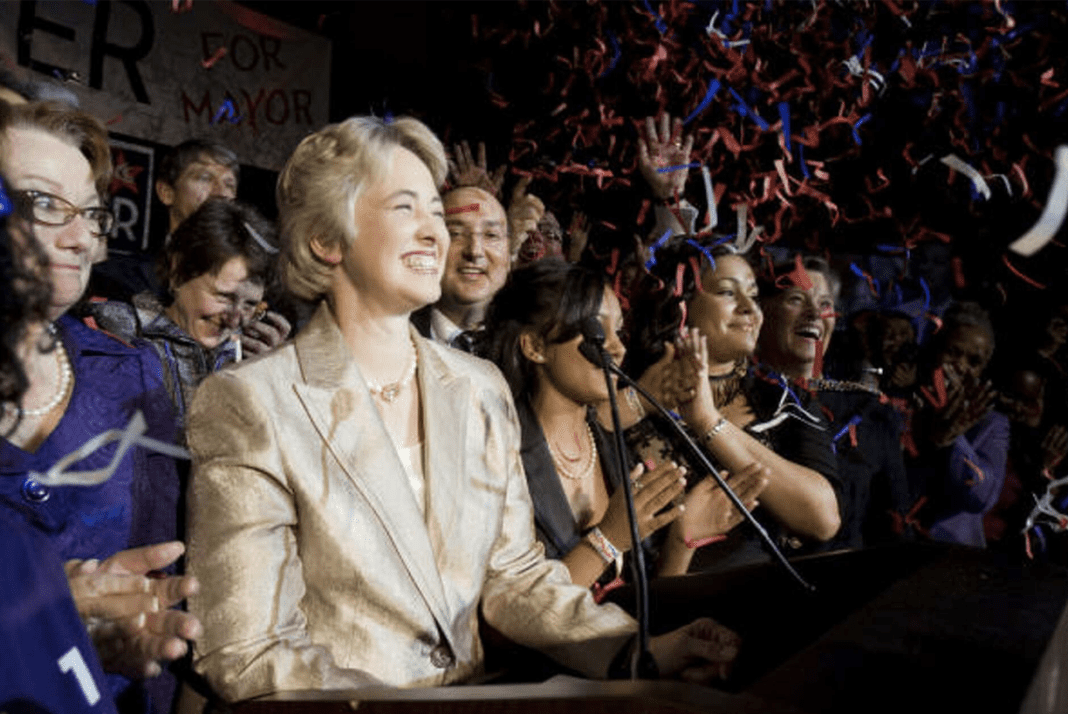
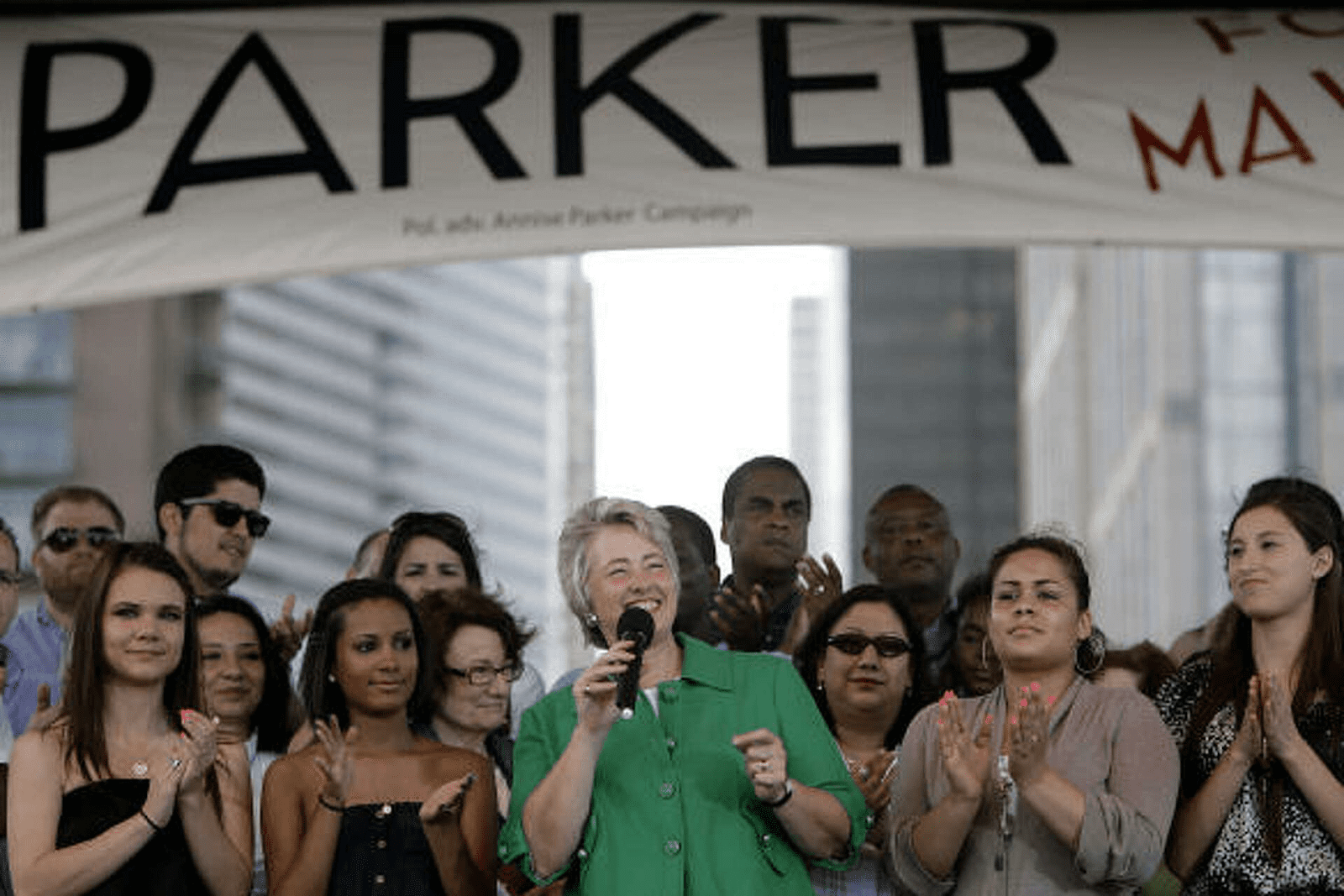
After years of public service, Annise Parker ran for mayor as a Democrat. From the start of her political career, she was open about her sexuality—a fact that opponents tried to use against her. A joint poll by Zogby International and the Houston Chronicle revealed that more than 75% of voters said her sexual orientation wouldn’t affect their vote. On December 12, 2009, Parker was elected mayor of Houston with over 53% of the vote in a runoff election and took office on January 2, 2010. She became one of the first openly LGBTQ+ mayors of a major U.S. city—and the second woman ever to lead Houston.
As mayor, Parker focused on improving the quality of life for all Houstonians. Her tenure saw significant progress in multiple areas, but her most notable work centered on advancing LGBTQ+ rights. One of her major accomplishments was the creation of the Houston Equal Rights Ordinance, known as HERO. The ordinance prohibited discrimination in housing, employment, and public services on 15 grounds, including sexual orientation and gender identity. Parker also institutionalized annual Pride parades, turning them into a hallmark of Houston’s cultural calendar. She also ensured inclusivity within city government, fostering a safe workplace for LGBTQ+ employees. Through her visibility and advocacy, Parker inspired a generation of LGBTQ+ leaders nationwide.
Her achievements didn’t go unnoticed. In 2010, Time magazine named Annise Parker one of the 100 most influential people in the world. In 2014, the City Mayors Foundation named her the Best Mayor in the United States and the seventh-best globally. Among her other honors were the Scenic Visionary Award from Scenic Houston, the Guardian of the Human Spirit Award from Holocaust Museum Houston, the Guardian of the Bay Award from the Galveston Bay Foundation, and the 2011 Distinguished Alumna Award from Rice University. She also received the Local Arts Leadership Award from Americans for the Arts.
Life After Politics
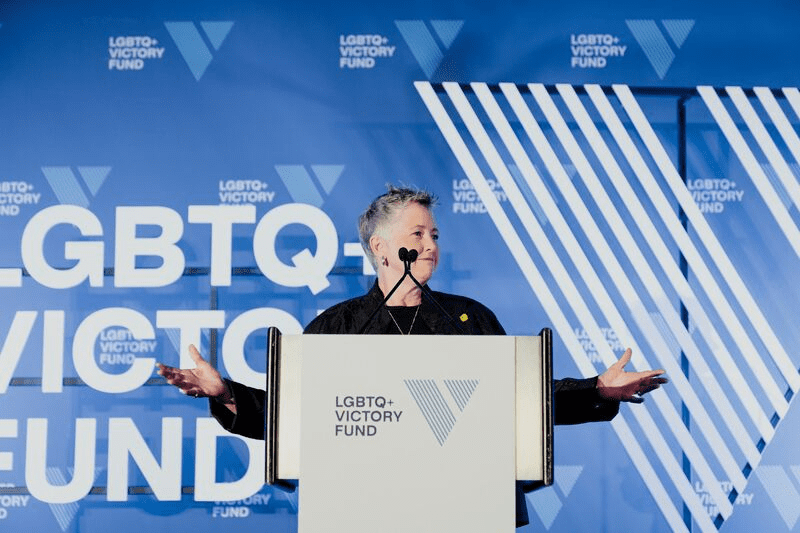
After completing her mayoral term, Annise Parker continued her advocacy at the national level. She became president and CEO of the Victory Fund, an organization that supports LGBTQ+ candidates running for public office. Under her leadership, the group expanded its programs, doubled its budget, and launched the “Women for Victory” scholarship initiative. In 2024, Parker announced she would step down from the role, but her influence endures. Today, she remains one of the most respected figures in the fight for equality—proof that progress and inclusion are possible, even in traditionally conservative regions like Texas.