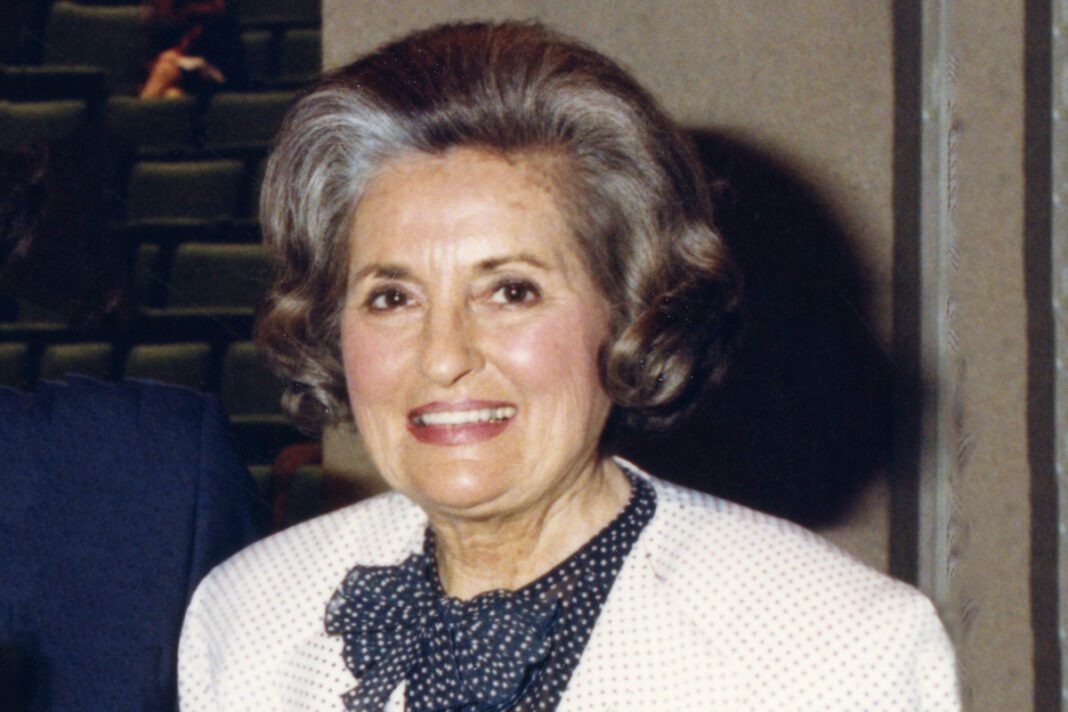

Houston-born Annette Strauss overcame many challenges and gender barriers on her way to serving Dallas’ civic and cultural organizations. From volunteer and fashion model to politician, she was a main player in North Texas throughout her life. Read more about the path of a Houstonian who successfully combined a sharp political mind with wit and achieved remarkable success at houston-yes.com.
Childhood
Annette Strauss (née Greenfield) was born on January 26, 1924, in Houston, being the only child in her family. Her father, Jacob, an insurance executive, was born in Israel, and her mother was born in Brenham, Texas. Annette’s grandfather was a rabbi, or spiritual leader of the Jewish community. The father instilled in his daughter a philanthropic sense of duty rooted in Judaism. By his own example, he showed the child how to donate generously to charity. As early as the age of 6, Annette demonstrated her ability to earn money by performing a play on the porch, for which she received a fee.
Education
At high school in Houston, Strauss studied public speaking and became the first girl to win the state championship in speech two years in a row.
After high school, Strauss spent one year at Rice University before transferring to the University of Texas at Austin, where she received a bachelor of arts degree. In 1944, she obtained a master’s degree in sociology and psychology, with honors, from Columbia University in New York.
Volunteer work
After completing her higher education, Strauss worked as a fashion model for a time at the New York agency of American actor and modeling agency founder John Robert Powers. Later, she returned to Houston, where she worked as a social worker for the Red Cross Society. In September 1946, she legalized her relationship with a fellow student, Ted Strauss. A year later, the young family moved to Dallas, Texas, where they raised two daughters, Nancy and Janie.
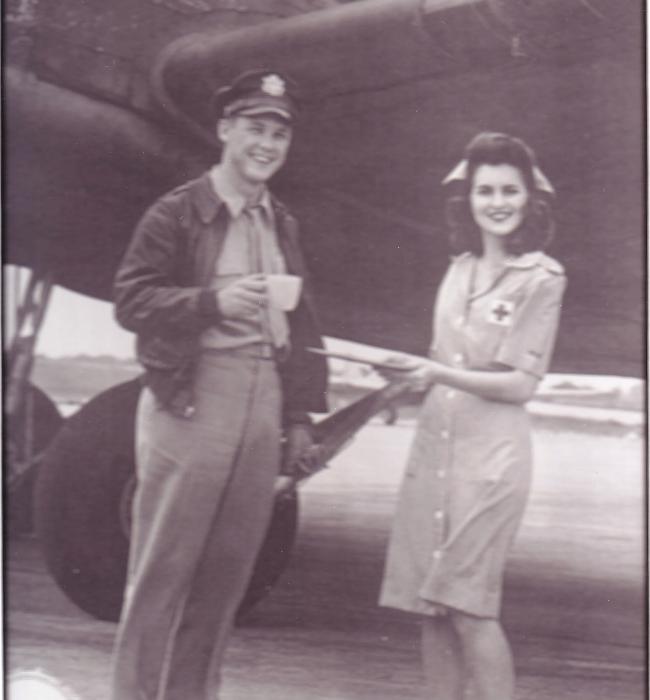
Over the years, Strauss volunteered with numerous educational, artistic, medical and social organizations in Dallas, including the United Jewish Appeal, the Dallas Symphony Orchestra, the Crystal Charity Ball, and others. By the early 1970s, she managed nearly every major ball in Dallas, raised millions of dollars for the arts and received multiple community service awards. Due to her many accomplishments, she was recognized as the most effective volunteer in the city.
At the University of Texas Health Science Center, she founded the Department of Geriatrics, a branch of gerontology that studies, prevents and treats diseases of old age. She also served as a vice president at Glenn, Bozell & Jacobs, a Dallas-based public relations firm.
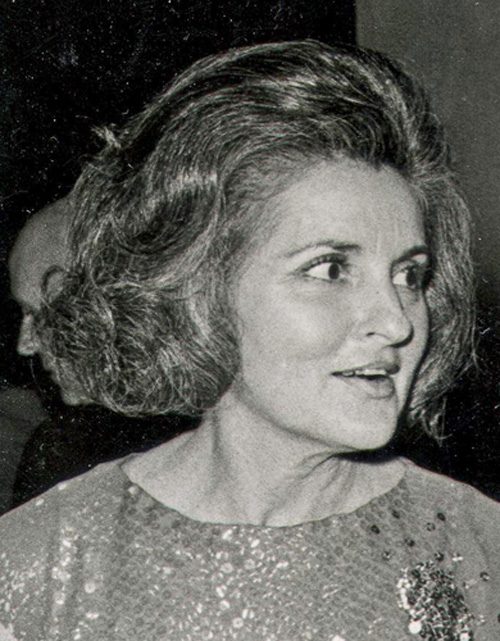
One day, Strauss was driving and noticed a mother with children living under a bridge. Determined to help those in need, the Houstonian coordinated the necessary city support for such people and raised the necessary funding. At her initiative, the first shelter for homeless families, Family Gateway, opened in Dallas in 1986, which later became a huge provider of housing and related services for the homeless in North Texas. In 2000, the establishment received a new name, the Annette G. Strauss Family Gateway Center.
Political life
After years of selfless service to people and fundraising for the poor, Strauss decided to enter the political arena. In 1983, she joined the Dallas City Council, and a year later, she was appointed deputy mayor. In 1987, the Houstonian was elected mayor with 56% of the vote.
Strauss’ election to this position became a catalyst for solving the city’s political and economic problems. She was the second female mayor of Dallas and the first Jewish mayor of the city. In general, Strauss was the 55th mayor of Dallas.
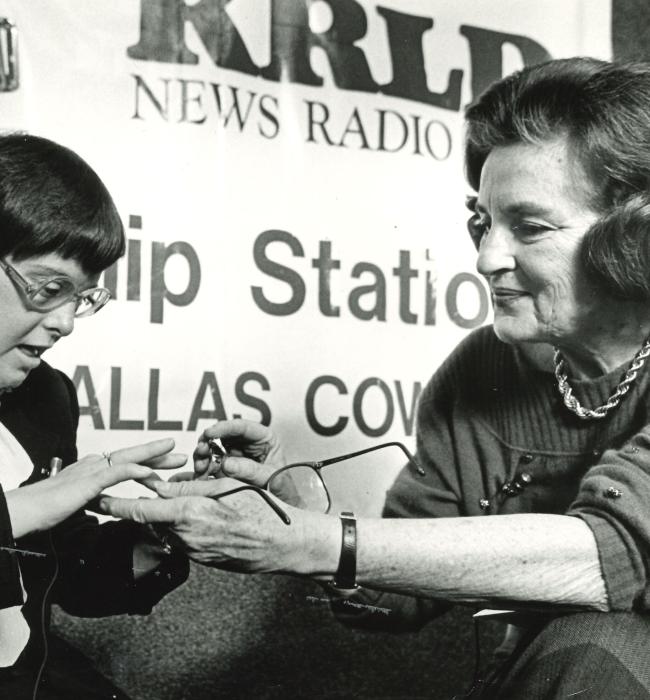
Her success in this position marked a turning point in Dallas’ history in overcoming ethnic discrimination and gender stereotypes. During her two-year terms, Strauss paved the way for the introduction of single-member districts in the city and also improved the representation of all residents in the community. Strauss became famous for her ability to build consensus across economic, racial and political strata. Therefore, Judaism served as a springboard to her career. Although she started out as a volunteer for Jewish causes, she later became committed to helping all people, regardless of their background.
The politician demonstrated a rare combination of strength, determination, grace, beauty and intelligence. A compassionate advocate for the rights and freedoms of Dallas citizens, she became a light in dark times for the city – a period of regional economic decline and racial strife. During her first term, a congressional committee held hearings on police shootings of civilians, in which five police officers were killed. At the time, the Federal Bureau of Investigation released alarming data on crime in Dallas caused by racial conflicts.
With compassion in her heart, the Houstonian worked diligently with various ethnic groups. In 1989, Fortune business magazine named Dallas the best city to do business in, featuring a photo of the mayor on the cover.
Mrs. Strauss is perhaps most remembered for her immense interest in the arts. In particular, she played a key role in the construction of the Morton H. Meyerson Symphony Center, a concert hall located in the Arts District in downtown Dallas. It is considered one of the world’s finest orchestra halls.
Post-political career
After honest and skillful service to the people, Strauss resigned as mayor in 1991 and became Dallas’ ambassador-at-large, as well as chairwoman of several city councils and development boards. For a time, she chaired the board of directors of the John Goodwin Tower Center for Policy Studies at Southern Methodist University. Additionally, she worked with the development boards of the University of Texas and the Dallas Institute of Humanities and Culture.
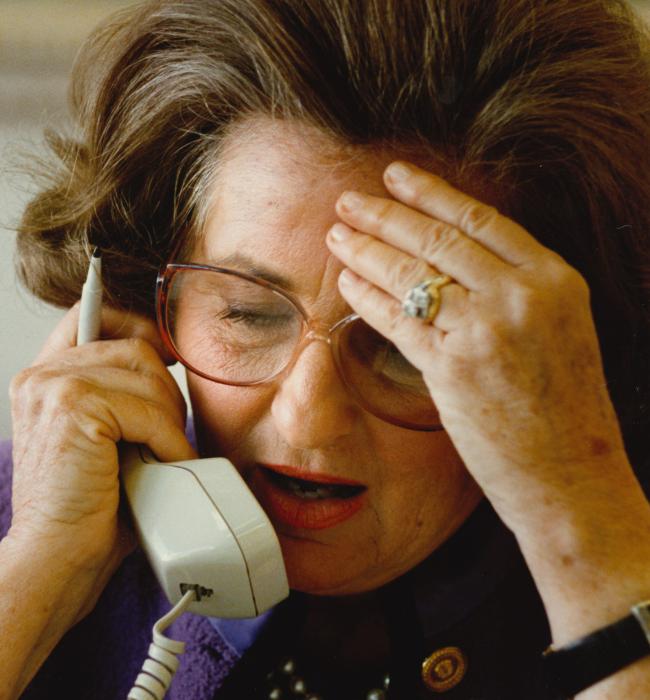
Strauss was a confidante of the Dallas Methodist Hospitals Foundation, St. Paul Hospital Foundation, Texas Historical Foundation, Timberlawn Foundation, and others.
Death and recognition
The prominent politician passed away in 1998 at her home in Dallas, 5 months after surgery for a malignant brain tumor. She was buried in Dallas’ Sparkman-Hillcrest Memorial Park. To her contemporaries, she was remembered as a woman devoted to her family, faith and community. Annette Strauss was a volunteer, philanthropist, official, civic leader and a true citizen of her country.
In 1996, the Houstonian received the Annette G. Strauss Humanitarian Award, named in her honor, from the Family Gateway homeless shelter, which she helped found in 1986. Other honors include honorary doctorates from Southern Methodist University, Northwood University and the University of North Texas.
In 2000, the University of Texas at Austin established the Annette Strauss Institute for Civic Participation (later renamed the Annette Strauss Institute for Civic Life). Additionally, the Dallas City Council recognized the politician’s legacy by renaming the Arts District to Annette Strauss Square.