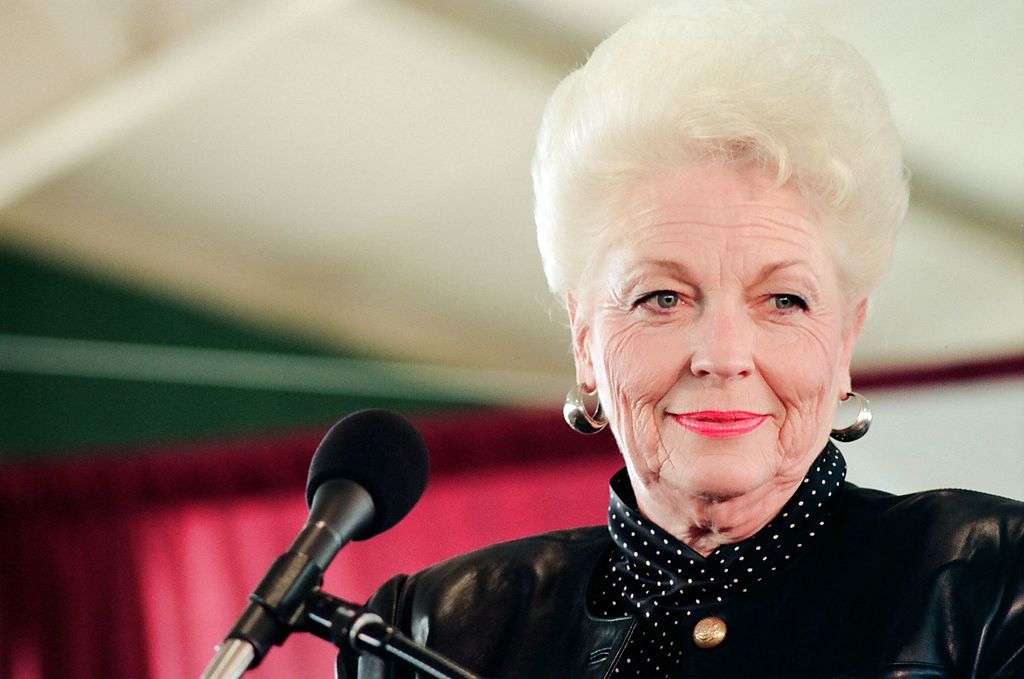

Ann Richards is one of the most significant figures in the history of the United States. Becoming the first woman elected as the Travis County Commissioner and the first Texas State Treasurer in 50 years, Richards gained national prominence. From 1991 to 1995, she served as Governor of Texas, being the state’s second woman to hold the office. A courageous and determined Democrat, she fought for civil rights and gender equality. Read more about the life and career of the authoritative Texas political leader at houston-yes.com.
Education and teaching career
Richards (née Dorothy Ann Willis) was born on September 1, 1933, in the small Texas town of Lakeview, at the height of the Great Depression. As a child, the girl realized that education was a ticket to opportunity and equality. Growing up in Waco, Texas, she graduated from Waco High School in 1950. Dorothy Ann was frequently involved in various intellectual competitions and became a state debate champion in high school. This experience helped her develop an interest in politics. While still at school, she gave up her name Dorothy, keeping only Ann.
Richards’ alma mater is Baylor University in Waco, Texas. After legalizing her relationship with David Richards, the future politician moved to Austin, where she received a teaching certificate from the University of Texas.
Richards began her career by teaching social studies and history at Fulmore Junior High School in Austin (later became Lively Middle School) from 1955 to 1956. Richards later admitted that teaching was the most challenging job she had ever done.
Political activity
Richards entered politics in 1950 as a volunteer in several Democratic gubernatorial campaigns. After David Richards completed his law degree, the couple moved to Washington and then to Dallas, Texas. In 1957, David got a job as a labor lawyer in Dallas, after which Ann took care of the household, raised four children, while continuing to participate in politics.
In 1969, the family returned to Austin. There, Ann Richards managed several legislative campaigns, one of which was that of Wilhelmina Delco, the first African American to represent Austin in the Texas Legislature. Later, she led the successful campaign to elect Sarah Weddington, a Texas attorney who, at the age of 26, successfully argued a landmark case before the U.S. Supreme Court on women’s right to abortion.
In 1975, the Democratic Party suggested David Richards run for Travis County Commissioner in Texas. He refused, but Ann agreed to the proposition. She won, becoming the first woman to hold this position in 1976.
In 1982, the politician became the State Treasurer of Texas. On a hot evening in Atlanta in July 1988, Ann Richards arrived from the heart of Texas to speak at the Democratic National Convention as the keynote speaker. Her lively and incisive speech brought Richards to national attention. It was a turning point in her political career. In 1991, she was elected governor of the state.

During her political career, Richards managed to attract new entrepreneurs to the state, pass several ethics reform laws, solve some problems in the state’s public schools and improve the prison system. She also signed the Texas Penal Code and vetoed a bill on concealed weapons. In addition, the governor made sure that a large number of women and African Americans were hired in law enforcement. Richards appointed more women and minorities to public office than the previous two governors combined.
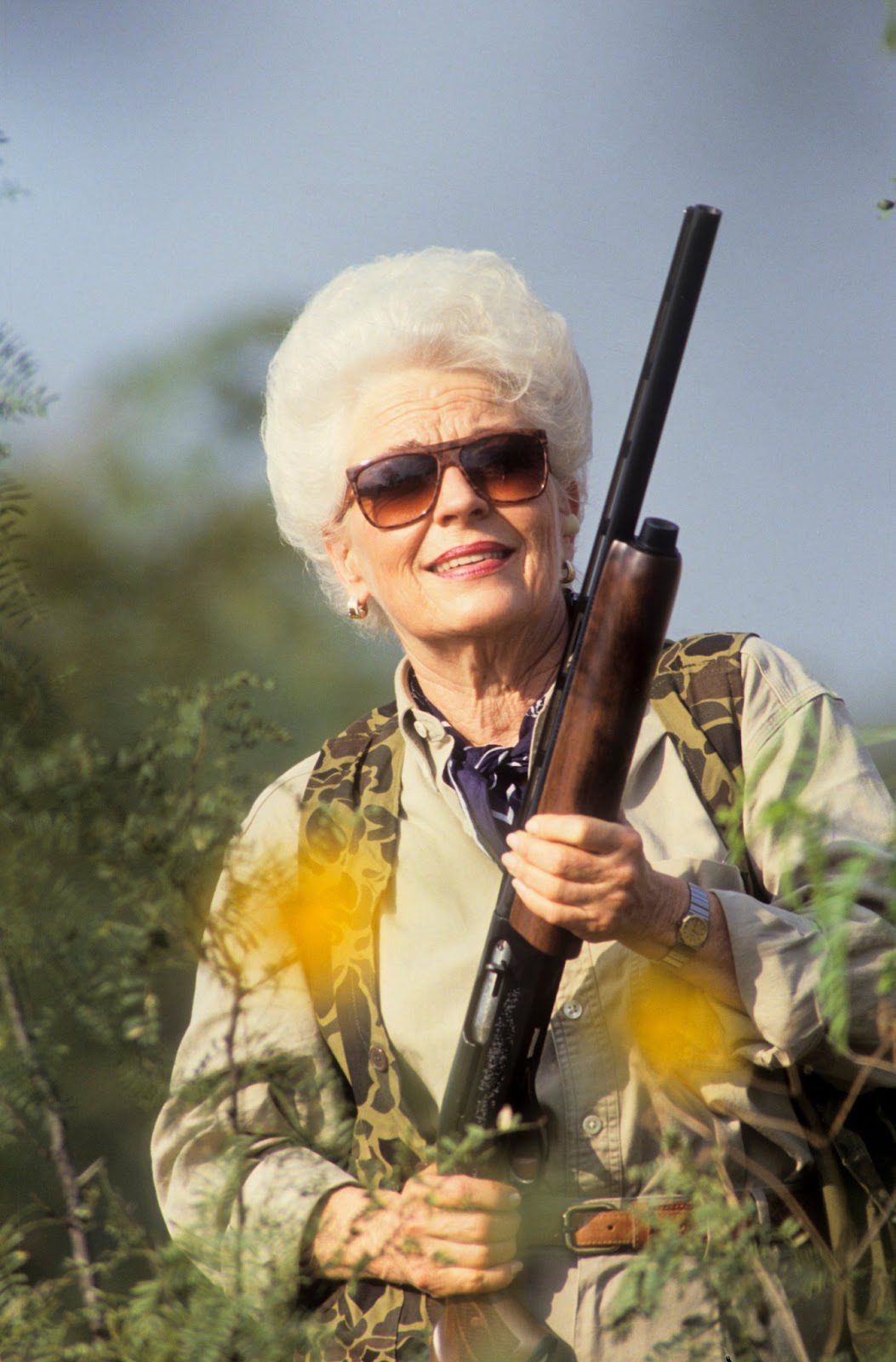
In 1994, she lost re-election to future US President George H.W. Bush. After leaving office in 1995, Richards lent her voice to numerous liberal causes and shared her expertise with many Democratic politicians. She later became a senior advisor at the consulting firm Public Strategies. Her task was to help companies in developing and implementing community plans.
Over the years, Richards worked for philanthropic, educational and civic organizations such as the Aspen Institute, Brandeis University, the Foundation for Women’s Resources, the Peres Center for Peace, The Center for Public Leadership at Harvard Kennedy School, the Robert J. Milano Graduate School of Management and Urban Policy, and others.
Fighting for women’s rights
Ann Richards is an ardent feminist. Throughout her career, she overcame barriers to women’s full participation in career and public affairs. By her own example, the politician showed how, with a small arsenal of resources, one can become a leader only through one’s wit and intelligence.
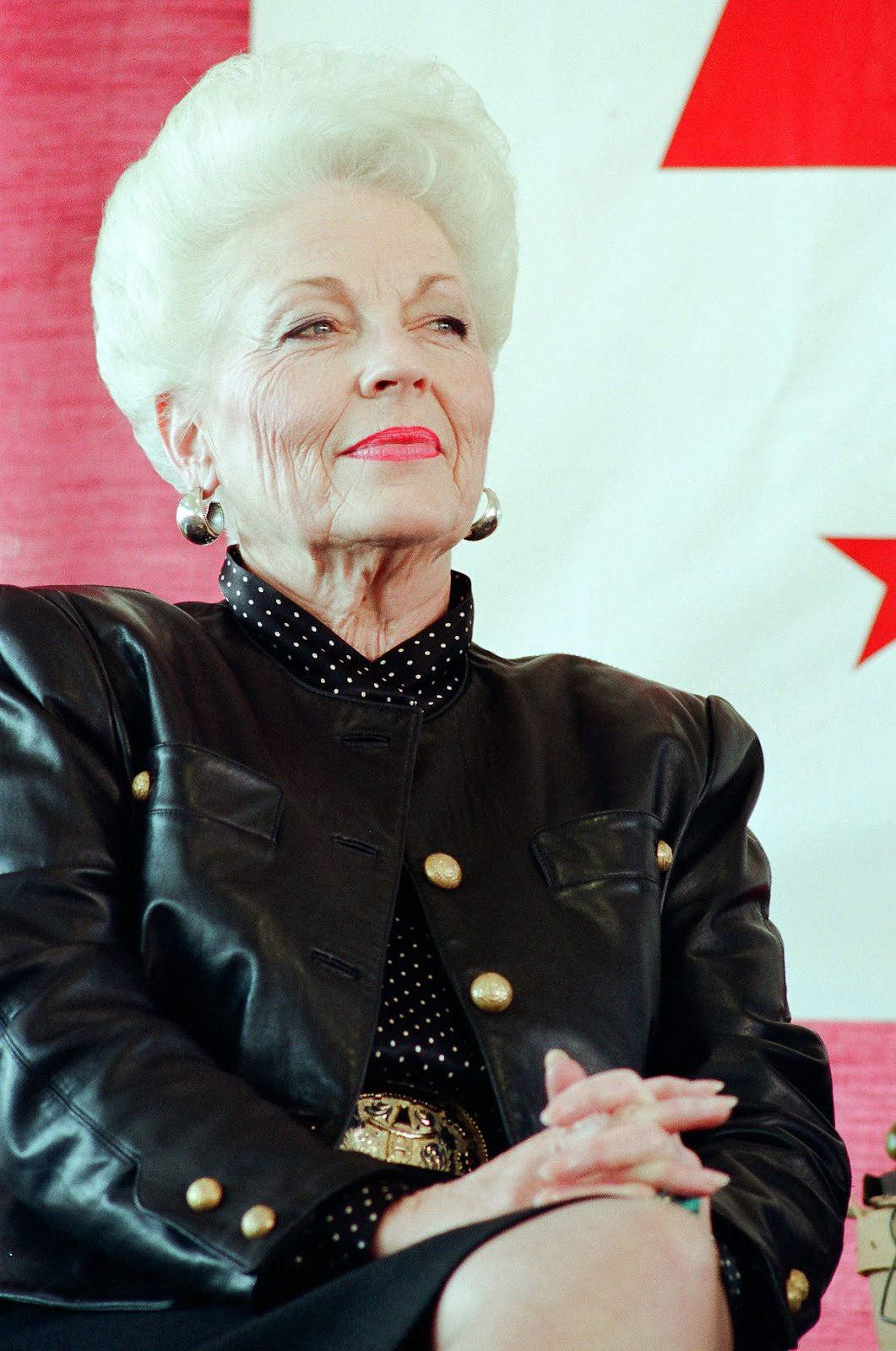
As already mentioned, during her tenure as governor, the equal rights activist Richards appointed a record number of women to state boards. Before her death, she actively participated in planning the Ann Richards School for Young Women Leaders, named in her honor. The former politician visited many American single-sex schools to help develop methods with an emphasis on leadership skills.
Books
Ann Richards is the co-author of two books. The first is Straight from the Heart: My Life in Politics and Other Places, in which the author describes her journey from being born in a tiny town to entering big politics, despite the disapproval of even her husband. In this memoir, Richards also confessed to personal victories and defeats, such as the dissolution of a 30-year marriage or alcohol addiction. For decades, alcohol had been popularized in the social and political high circles in which Richards was involved. In 1980, family and friends sent Ann to an out-of-state rehabilitation facility.
In the book, the politician proves that women can have a good and wonderful life, but it only begins when they take responsibility for their happiness without expecting someone else to do it for them. Her hard-earned triumphs and political career are a role model for many.
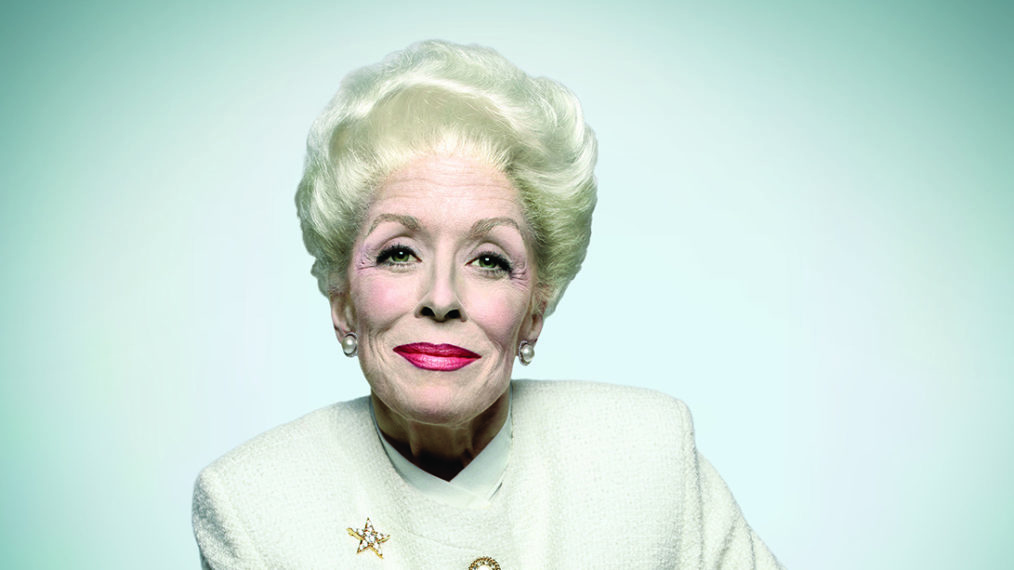
Another creation of the author is I’m Not Slowing Down: Winning My Battle with Osteoporosis, which is a candid account of her struggle with osteoporosis. This is a skeletal disease characterized by a decrease in bone mass and a violation of the microarchitecture of bone tissue. Bones become brittle, increasing the risk of fractures. The insidiousness of the disease is that bone loss occurs unnoticed, and osteoporosis is often diagnosed after fractures occur. Due to the absolute imperceptibility and painlessness of changes, the disease is called a “silent killer.”
Death
The prominent Texas leader passed away on September 13, 2006, due to esophageal cancer. She left behind 4 children from her marriage to David Richards and 8 grandchildren. During the funeral, former US President Bill Clinton accompanied Richards’ coffin to the Capitol, where thousands of people paid their last respects to one of the most important women in Texas history.