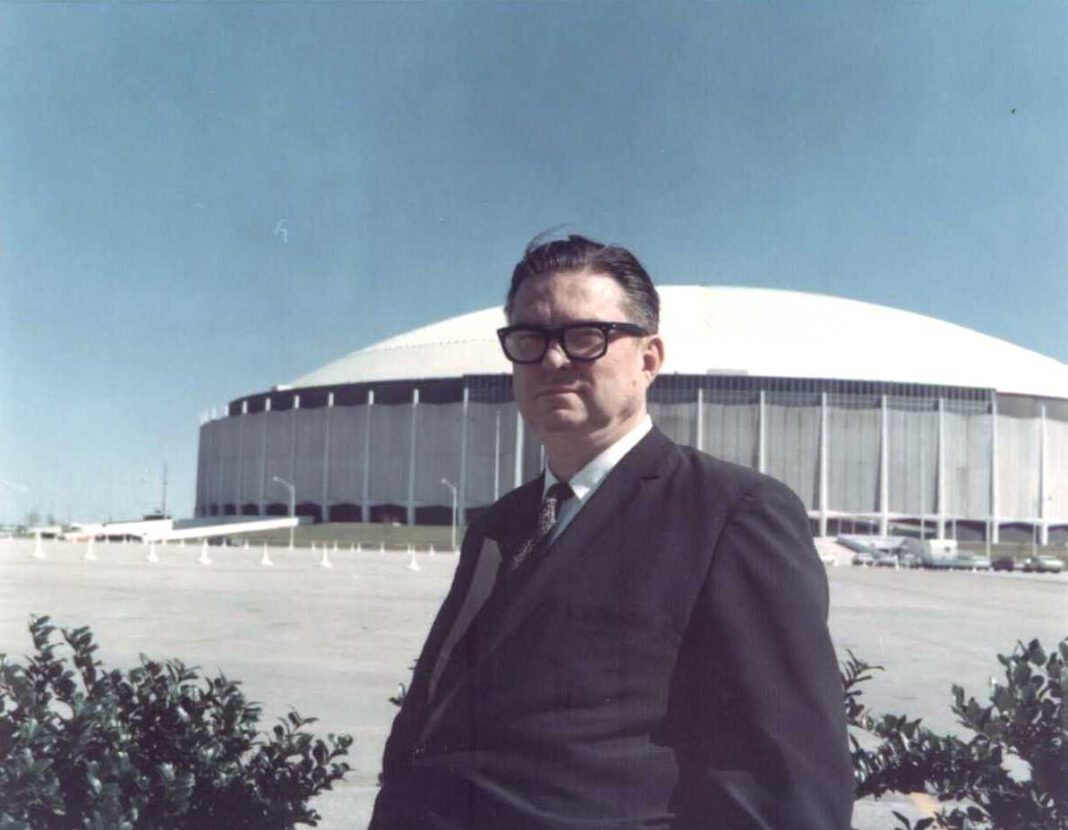

A state legislator at the age of 22, a judge of Harris County at 24 and a mayor of Houston at 40 – all of this is about Roy Hofheinz. He was a big figure in the lives of Houstonians. He revolutionized baseball and the city’s sports industry. Read more about the politician’s life and his professional journey at houston-yes.com.
Childhood and Education
Roy Mark Hofheinz was born on April 10, 1912, in the Texas city of Beaumont. In 1924, he moved to Houston with his parents. Right after graduating from San Jacinto High School with honors, Hofheinz set to work. Since his father had passed away, the 16-year-old Roy had to provide for the family. During the summer of 1928, he got a job as an assistant at the Democratic National Convention in Houston. There, he befriended future senator and US president Lyndon B. Johnson.
Later, Hofheinz became a student at Rice University and Houston Junior College. In addition, at only 19 years old, he graduated from Houston Law School.
Law career and business
In 1931, Hofheinz began his private legal practice. From 1935 to 1937, he worked in the Texas House of Representatives. 24-year-old Hofheinz became the youngest judge in Harris County, serving there from 1936 to 1944. In 1944, he resumed his law practice.
After World War II, he built a network of radio and television stations in the Gulf Coast region and started a steel recycling company.
Mayoral tenure
From 1952 to 1955, Hofheinz served as the mayor of Houston. Due to his often controversial policies, such as tax increases, several members of the city council called for his impeachment. Roy was not removed from office but lost the special election. During his tenure, he improved the city’s infrastructure and began desegregating municipal facilities.
Building of the legendary Astrodome
In 1957, local businessmen, including Hofheinz, formed the Executive Committee of the Houston Sports Association (HSA) as a syndicate. Its aim was to bring a Major League Baseball franchise to Houston.
The task of this association was the development of the Astrodome, a multi-purpose sports stadium with a dome. It was the first large covered baseball and football complex in the world. From 1965 to 1999, the stadium served as the home field for the Houston Astros baseball team and the football team Houston Oilers (later the Tennessee Titans). The stadium was the main venue for the Houston Livestock Show and Rodeo from 1966-2002. Although the Astrodome stayed without principal tenants for a long time, various events were regularly held here in the early 2000s. In 2005, the facility housed residents of New Orleans who were affected by Hurricane Katrina.
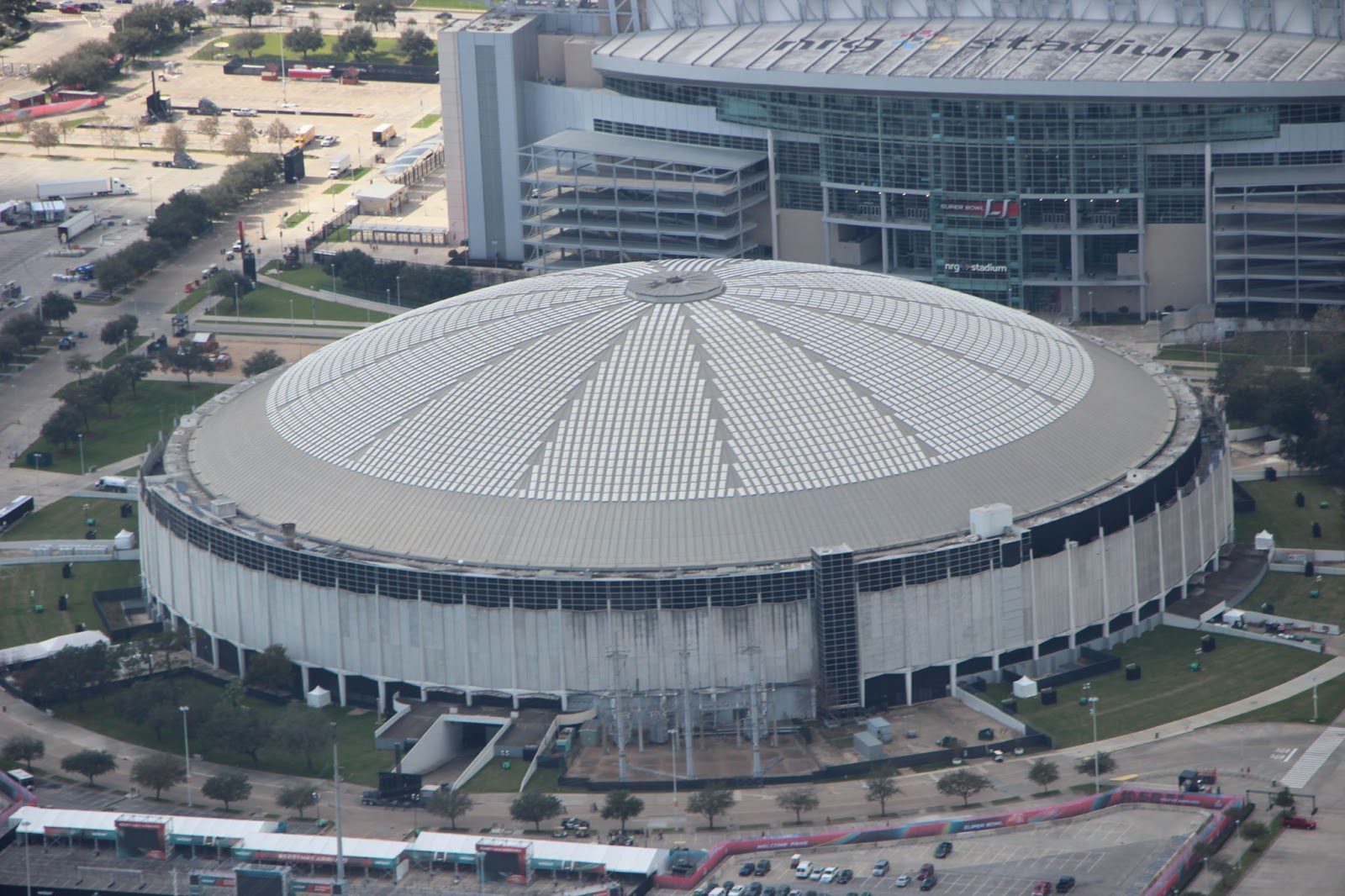
In 2008, the building was about to be demolished because of numerous technical violations. The city council rejected these plans, having concerns that the dome could damage the dense development nearby during its removal.
Interestingly, in the late 1960s, Roy partnered up with Edward Cottrell, a developer from Buffalo. They intended to open the world’s second domed stadium in the city of Lancaster, New York. Kenford Company was to donate the land to Erie County so that the county could build the stadium. Hofheinz founded The Dome Stadium, Inc., which would lease the stadium from the county and hold events there for 40 years.
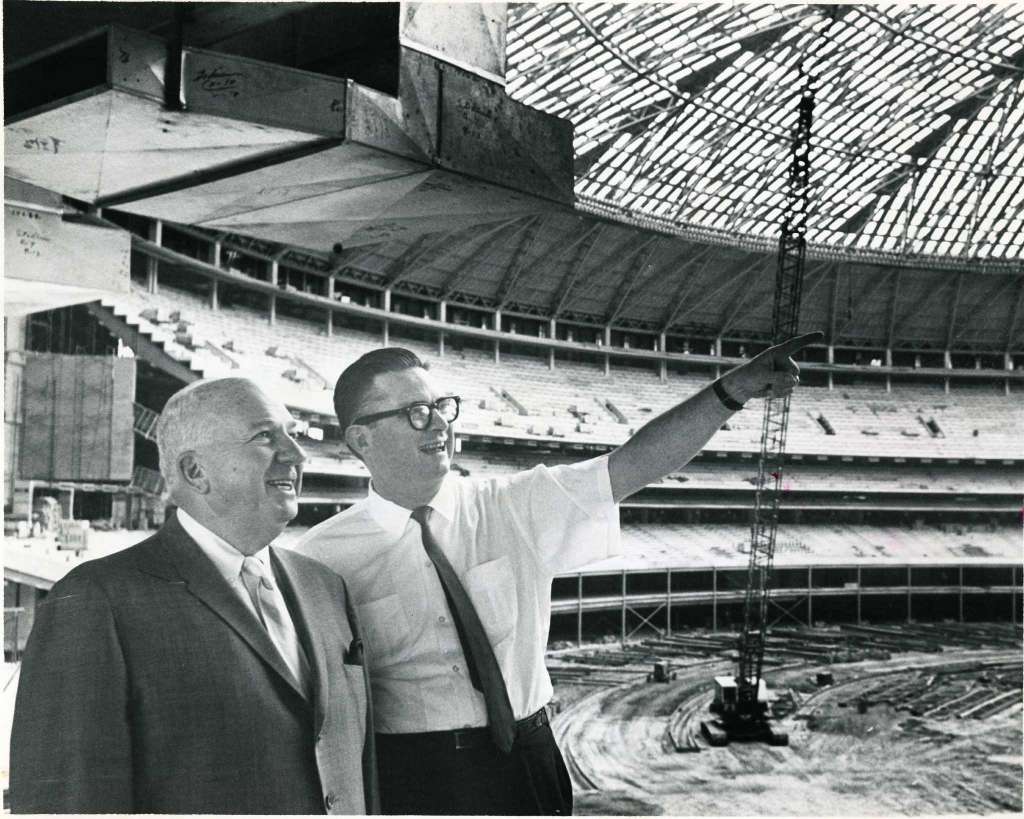
After the county refused to build the facility, Cottrell and Hofheinz began a 20-year judicial proceeding over breach of contract, seeking compensation for hundreds of millions of dollars in lost profits and damages. This was one of the longest jury trials in New York history. Eventually, in September 1989, Cottrell received $10.2 million in compensation. However, another lawsuit was filed against him by Hofheinz’s widow, Mary Frances. In 2015, plans for the stadium were revived.
Roy suffered a stroke in 1970, after which he ended up in a wheelchair. He consolidated his real estate holdings near the Astrodome under the Astrodomain Corporation. Hofheinz and his family became its sole owners.
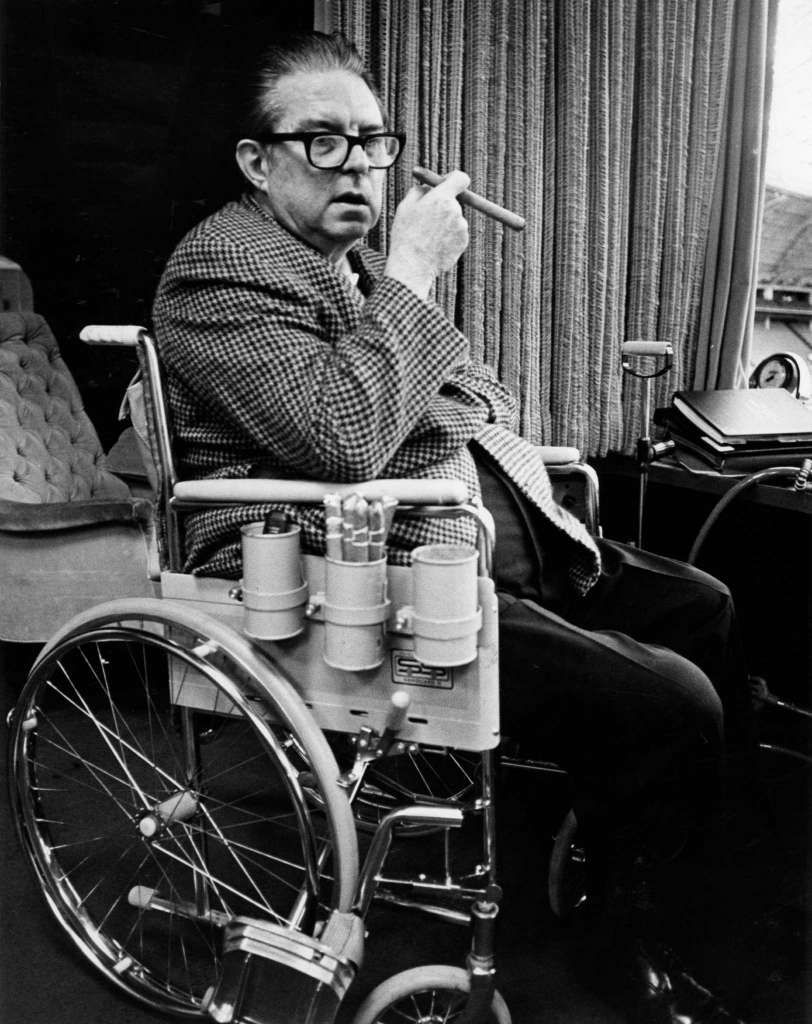
During the 1970s, there was a drop in attendance at baseball games, which led to financial problems. As a result, three creditors took control of the Astrodomain Corporation. They appointed a three-person board in June 1975 to jointly manage the stadium.
Personal life
In 1933, Hofheinz married his fellow student Irene Cafcalas. The couple had three children. After the death of Irene, the politician wedded a divorced assistant, Mary Frances. He died of a heart attack in 1982.
Recognition
In 1967, Roy Hofheinz was named Alumnus of the Year at the University of Houston. Two years later, a multi-purpose arena named after the politician, Hofheinz Pavilion, was opened on his campus. A bronze statue of Hofheinz has been placed in a square nearby. The politician was inducted into the Texas Baseball Hall of Fame in 2006 and the Astros Hall of Fame in 2010.