
Houston, a city of rapid growth and unbridled ambition, also holds dark, painful chapters in its history. One such chapter is the Houston Riot of 1917, an event forever etched in memory as a tragic explosion of racial tension and injustice. This story isn’t about gangster showdowns or underground casinos; it’s about the fury and despair that built up among African American soldiers, pushed to their breaking point. We’ll delve into this tragic and cautionary tale further on houston-yes.
Roots of the Conflict
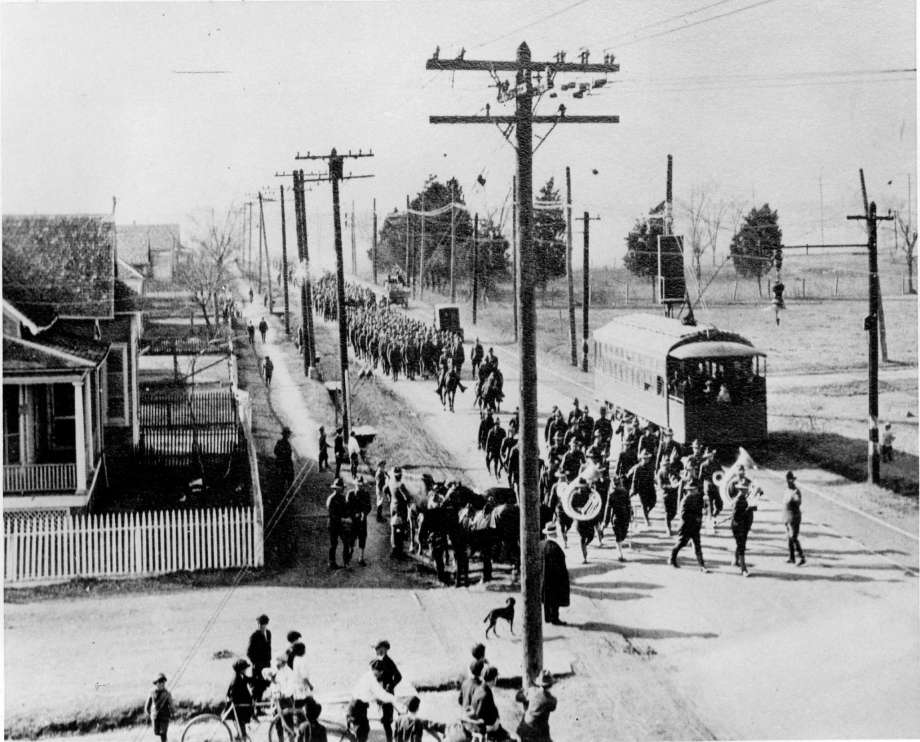
In the early 20th century, Houston, like many Southern American cities, was deeply divided by racial prejudice and Jim Crow laws. When the 24th Infantry Regiment of the U.S. Army, composed primarily of African American soldiers, arrived in July 1917, tensions escalated. Though these soldiers had undergone rigorous military training and held equal rights with their white comrades in service, they still faced brutal racial discrimination in civilian life. Stationed at Camp Logan on the outskirts of Houston, their presence was marked from the start by constant conflicts with the local white population and police.
Local police officers were particularly audacious. They regularly insulted and humiliated Black soldiers, using excessive force, even without provocation. For these Black servicemen, it was a test of endurance. The situation eroded military discipline and morale. And at one point, their patience simply ran out.
The Explosion of Fury
Tension reached its peak on August 23, 1917. That day, a white police officer arrested an African American woman who, according to one account, resisted his attempt to apprehend her. When Private Alonzo Edwards of the 24th Regiment tried to intervene and ask about the reason for the arrest, the officer brutally beat him and also took him into custody. Hours later, Sergeant Charles Baltimore, a military policeman from the same regiment, arrived at the police station to inquire about Edwards’s fate. He, too, was beaten and arrested.
These incidents, serving as the final straw, triggered an immediate and unrestrained reaction among the soldiers at Camp Logan. Although senior officers tried to restore order, rumors quickly spread about police brutality and the supposed killing of Sergeant Baltimore (who was, in fact, only beaten). Approximately 100-150 enraged soldiers, arming themselves with rifles they had illegally taken from the camp, marched toward the city.
The Bloody Night
The streets of Houston transformed into a war zone. The Houston police were disorganized, having expected the soldiers to be unarmed and easily subdued. However, when six police officers encountered numerous armed soldiers, a fierce shootout ensued. As a result, two officers, including Rufus Daniels, were fatally wounded, and a third died later from his injuries.
The riot was brief but extremely intense. The melee lasted about two hours. During that time, 15 white people died, including five law enforcement officers and ten civilians. Among them was a young girl hit by a stray bullet while she slept. Four African American soldiers also died. Two were accidentally shot by their own comrades (one in camp, another on San Felipe Street), one was killed during the exchange of fire, and Sergeant Vida Henry, wounded during the riot, fell behind his group and, reportedly, took his own life.
The city plunged into panic, filled with screams and gunshots. Residents hid in their homes, while those who dared to venture out risked their lives. Only by the morning of August 24, as the mutinous soldiers began to disperse and return to camp, and military reinforcements managed to regain control of the situation, did the bloody night come to an end.

Trials, Executions, and Legacy
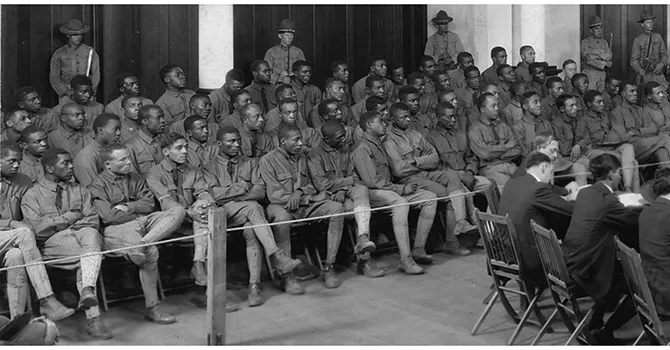
The consequences of the riot were swift and severe. The Army immediately launched a massive investigation. Three separate court-martials were held, becoming some of the largest in U.S. history. A total of 110 African American soldiers were convicted.
Most shocking was that 19 soldiers were hanged for their involvement in the riot. Another 63 soldiers received life sentences. These verdicts were delivered with extreme speed, often without proper consideration of individual circumstances and the provocations that preceded the riot. Many critics argued that the trials were hasty and unfair, driven by a desire for swift punishment and the suppression of any signs of insubordination among Black servicemen.
The Houston Riot of 1917 served as a painful reminder of the deep racial prejudices that permeated American society at the time, even within the Armed Forces. It exposed the fragility of social peace and how quickly tension can escalate into deadly violence when justice and equality are ignored. This tragedy continues to serve as an important lesson about the need to combat discrimination and seek paths to mutual understanding in society.