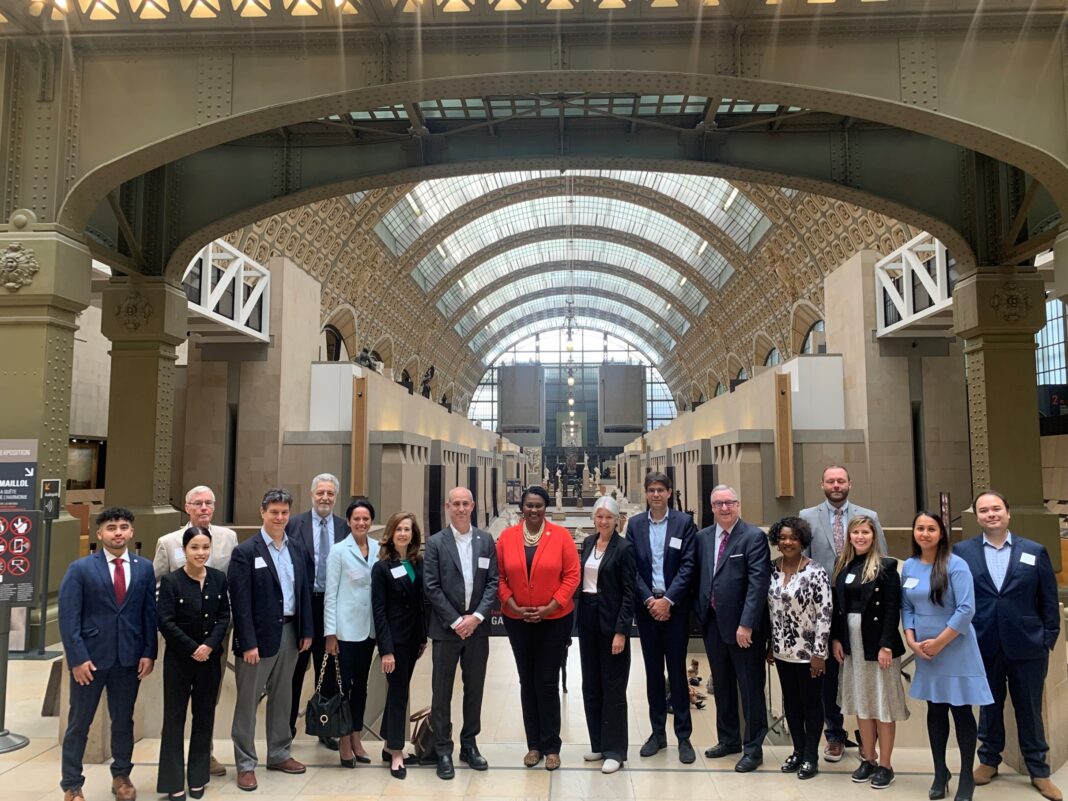

Houston, a metropolis that grew from an oil boom and space ambitions, has always strived for global integration. For the city, international cooperation wasn’t just a symbolic gesture; it was a conscious strategy that shaped its economic landscape, cultural exchange, and scientific progress. Houston’s mayors, beginning in the mid-20th century, understood that the city’s future was inextricably linked to its place on the world stage. We’ll explore how the process of building relationships between Houston and its sister cities unfolded on houston-yes.
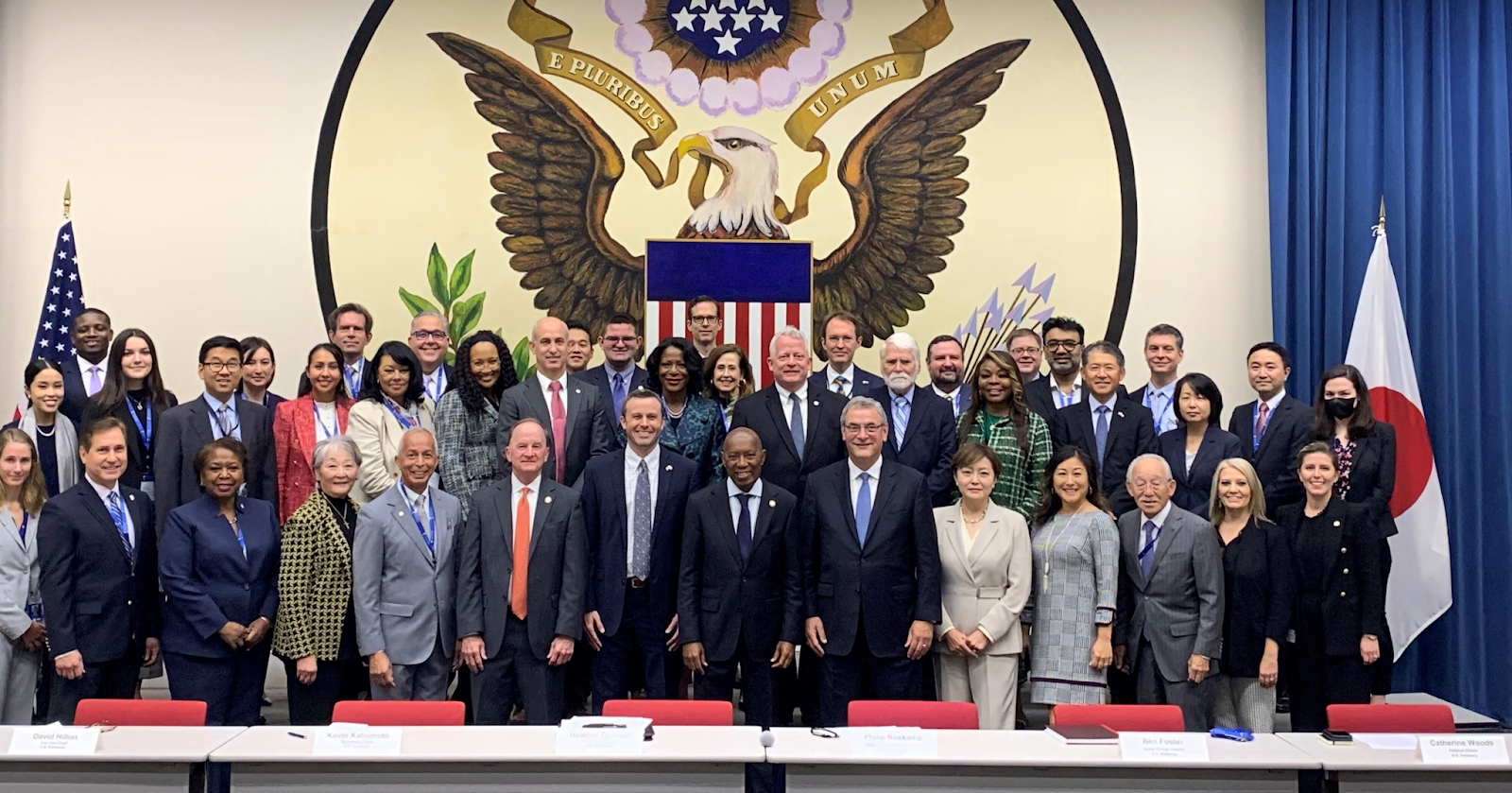
Local-Level Diplomacy
Houston’s active international engagement began after World War II, when the United States emerged as a leader of the free world, and cities sought new avenues for economic development. For Houston, with its powerful oil and gas industry and growing port capabilities, establishing direct ties with other countries was vital. Mayors actively attracted foreign investments and promoted the export of local goods and services, particularly in the energy sector. Interestingly, it was often pragmatic economic interests that became the driving force behind the initial partnership agreements.
Subsequently, with the advent of the Johnson Space Center and the development of the Medical Center, the geography of partnerships expanded. Houston began to position itself not only as an energy capital but also as a center for innovation in medicine and aerospace. This required a new strategy for international interaction that would attract universities, research institutions, and high-tech companies from around the world.
Sister Cities
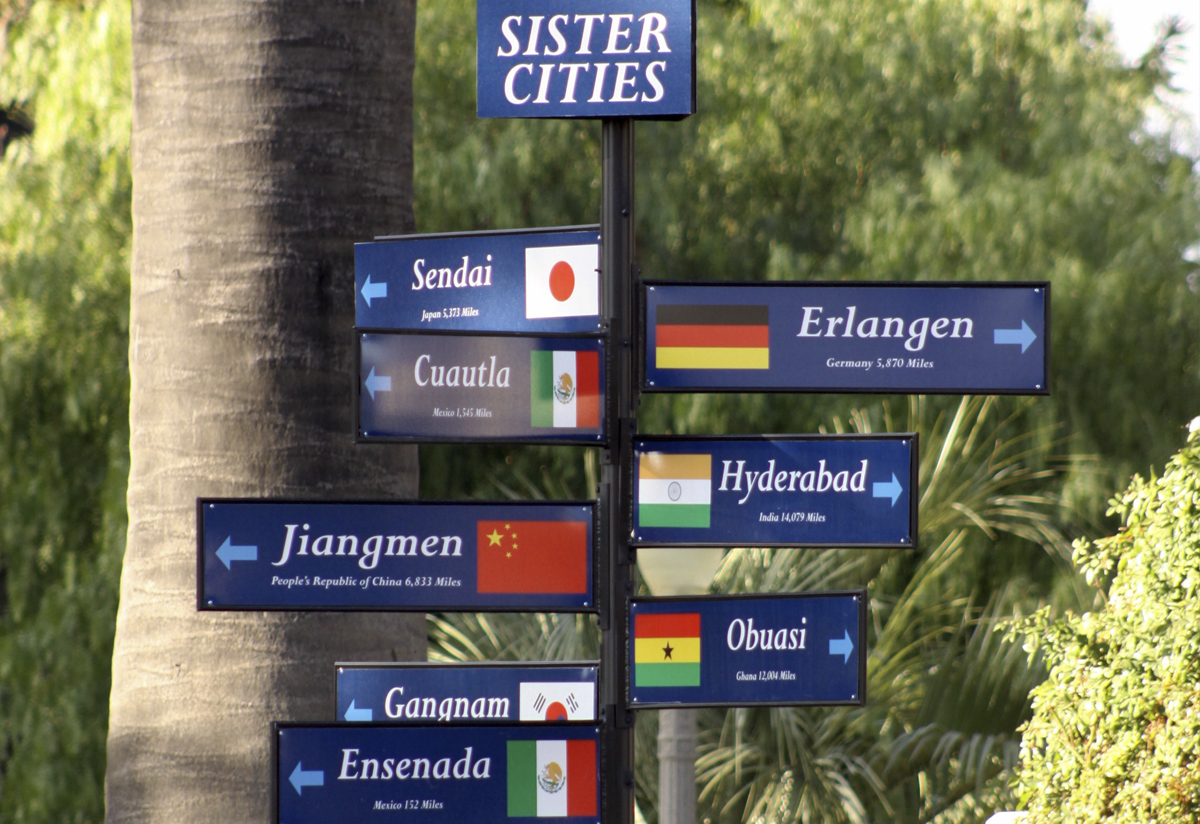
One of the most prominent tools for Houston’s international cooperation became the “Sister Cities” (Sister Cities International) program. This initiative, actively developed under the leadership of various mayors, allowed Houston to establish official partnerships with several cities worldwide. Each of these partnerships had its unique history and purpose.
- Taipei, Taiwan. The partnership with Taipei, initiated in 1961, underscored Houston’s growing role in international trade and its aspiration to expand into Asian markets.
- Baku, Azerbaijan. The connection with Baku, formed in 1976, was also related to oil but held geopolitical significance. It allowed Houston to establish strong ties with the important Caucasus region.
- Nice, France. The agreement with Nice, concluded in 1973, demonstrated Houston’s interest in cultural exchange, tourism, and the development of artistic connections.
- Chiba, Japan. The partnership with Chiba, dating back to 1973, fostered exchange in technology, education, and healthcare.
- Aberdeen, Scotland. This partnership, formed in 1979, was entirely logical given both cities’ shared focus on the oil and gas industry. Cooperation involved exchanging expertise in developing energy technologies and port infrastructure.
These and many other partnerships were not mere formalities. They involved active exchanges of delegations, student programs, cultural festivals, as well as cooperation on economic and educational projects. Houston’s mayors played a key role in these interactions, often personally leading missions to sister cities and hosting international guests.
Mayoral Vision: From Loe to Whitmire
Houston’s mayors, each in their own way, contributed to the city’s international strategy.
- Mayor Royden Lee Loe (1956-1958) and his successors were among those who laid the foundation for international cooperation, understanding the Houston Port’s importance for global trade.
- Mayor Louis Welch (1964-1974) actively promoted the development of ties with cities crucial to the energy sector and supported the first steps in fostering cultural exchanges.
- Mayor Kathryn J. Whitmire (1982-1991), Houston’s first female mayor, significantly expanded the “Sister Cities” program, emphasizing Houston’s multiculturalism and its role as an international city. During her tenure, important agreements were concluded, covering a wide range of areas – from business to medicine.
- Mayors Lee P. Brown (1998-2004) and Bill White (2004-2010) focused on strengthening economic and scientific ties, particularly in biotechnology and innovation. They actively promoted Houston as a hub for medical research and technological development.
- John Whitmire, the current mayor, has continued this tradition, adapting it to the challenges of the 21st century – globalization, climate change, and the development of new technologies. He strives not only for economic benefits but also for cooperation in addressing global issues such as sustainable development and rapid adaptation to various modern challenges.
The Legacy of International Relations
Houston’s international cooperation is not merely a collection of agreements, but a dynamic process that continuously evolves. It has contributed not only to the city’s economic prosperity but also to its cultural enrichment. Thanks to these connections, Houston has become one of the most diverse cities in the U.S., where representatives of hundreds of nationalities coexist. This openness to the world, established by previous mayors, continues to be one of Houston’s fundamental characteristics, defining its future.