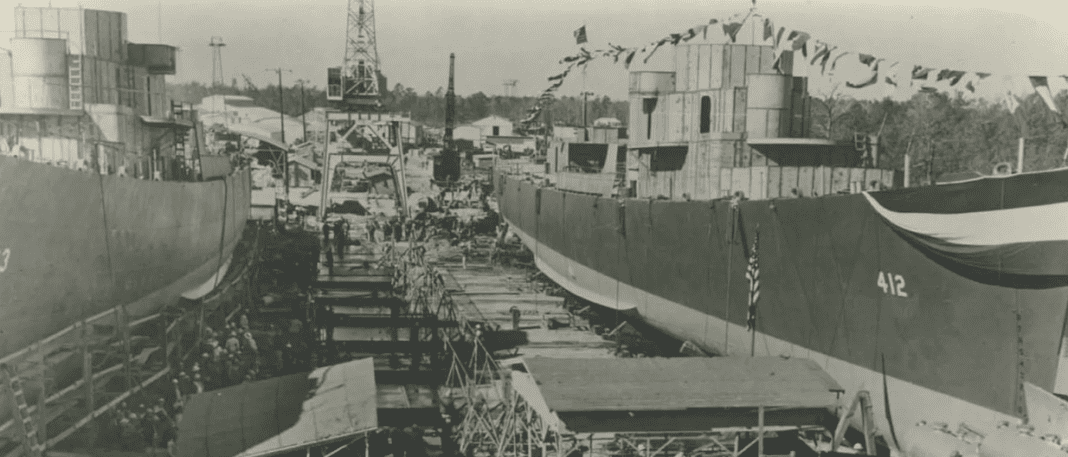

Brown Shipbuilding in Houston rose from a startup success story to facing major lawsuits from its former employees. It also became a powerful symbol of American productivity during World War II. Many of the ships launched from its slips became exemplary war vessels. Let’s explore the remarkable journey of this historic shipyard — from its rapid rise to its eventual decline. More on houston-yes.com.
A Rapid Triumph
At the start of World War II, the United States maintained a wait-and-see stance, but preparations for potential involvement were already underway — including the expansion of naval facilities. Brown Shipbuilding in Houston was founded as a reserve repair yard by brothers George and Herman Brown. Neither had any prior experience in shipbuilding or navigation. Yet they managed to win a federal contract to build a naval repair yard, securing a $9 million government grant. Construction began in 1941 — just as Japan’s attack on Pearl Harbor pulled the U.S. directly into the war.
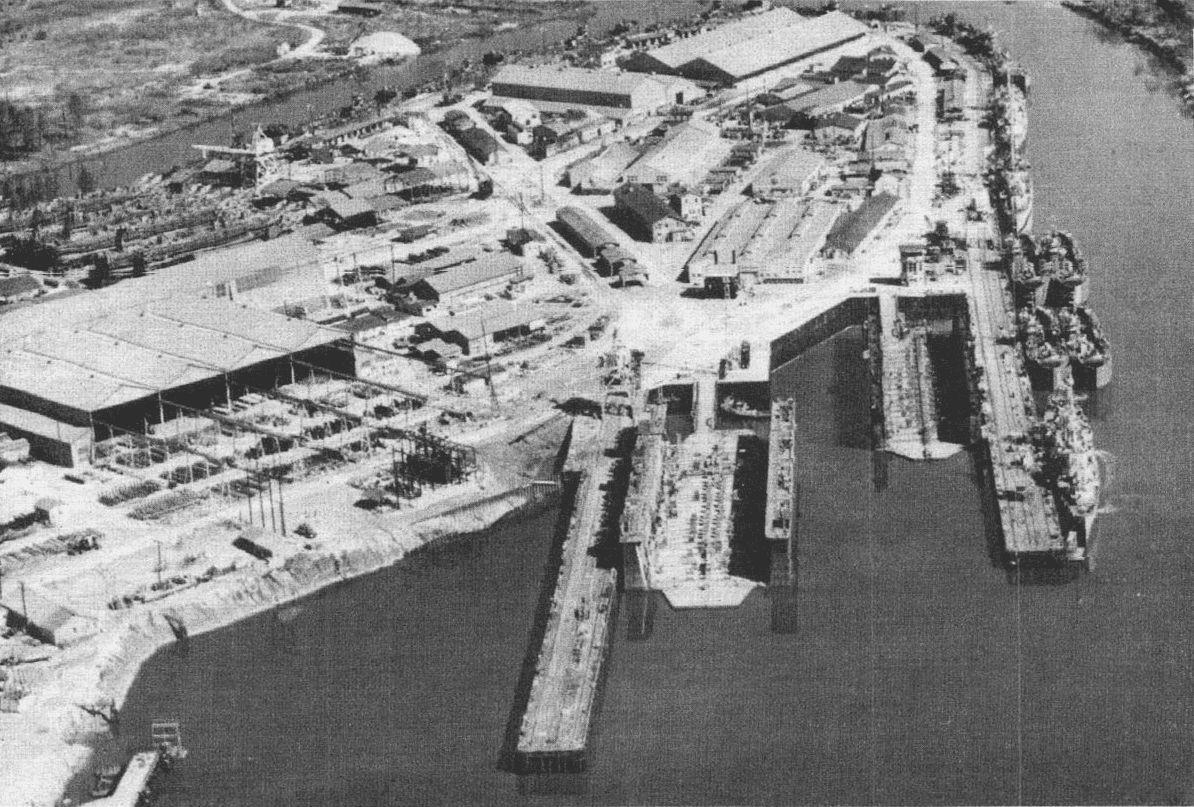
The Brown brothers began searching for a location for their ambitious project. Though not shipbuilders, they were skilled businessmen. Their sharp instincts led them to choose Houston — a city with an established port and a deep channel suitable for large vessels. Houston’s access to the Gulf of Mexico, and from there to the world, made it ideal. At the same time, its inland location helped avoid damage from coastal storms and hurricanes.
Another advantage was the abundance of available workers, meaning cheap labor. Considering all these factors, the Browns settled on Houston, choosing a site at the junction of the Houston Ship Channel and Greens Bayou near Harrisburg. By 1942, Brown Shipbuilding was officially established and ready to accept ships for repair.
But circumstances quickly changed. Once the U.S. entered the war, the Navy urgently needed new ships. Brown Shipbuilding received an initial order for four submarine chasers. With other shipyards overwhelmed, this inexperienced company was handed a major challenge. Yet with determination and funding on their side, the Browns took it on — and exceeded expectations. They completed the order on time, under budget, and without compromising quality. The Navy was so impressed that they immediately placed another order.
Successful Reinvention
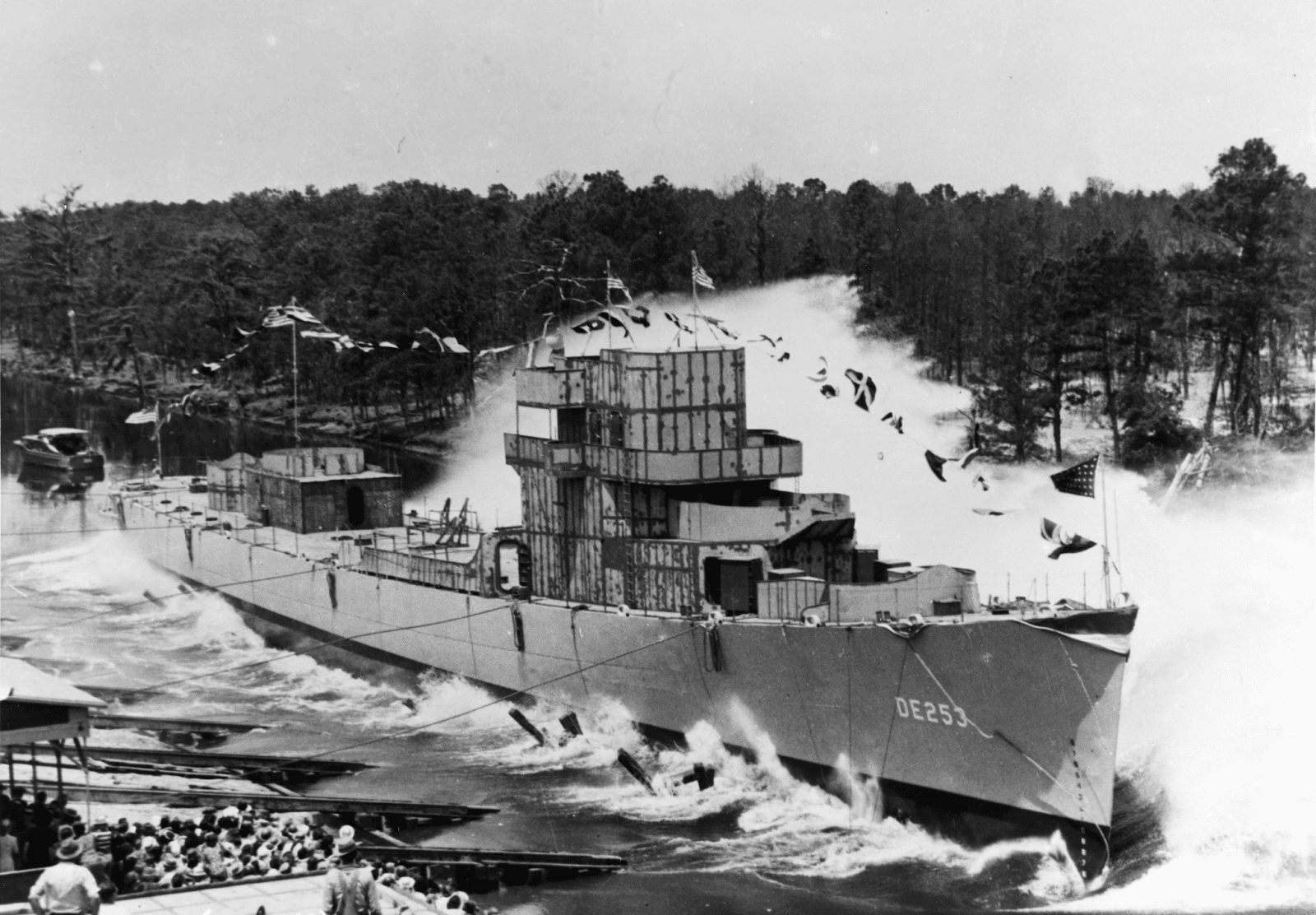
After that unexpected success, the company went all in. Brown Shipbuilding soon received a major contract to produce landing craft. The Navy was pleased with the results and placed ongoing orders for escort destroyers — the type of ship most in demand during wartime. Each destroyer cost around $3.3 million to build.
From May 1943 to August 1944, Brown Shipbuilding launched 61 ships of this class — roughly one per week. More than 25,000 workers were employed at the yard. By 1946, they had built 254 landing ships, and by the end of the war, more than 350 large military vessels had been launched from the yard. The U.S. government invested over $500 million in this massive effort. The shipyard’s achievements earned it national recognition — even a commendation from the President of the United States.
The Shipyard After the War
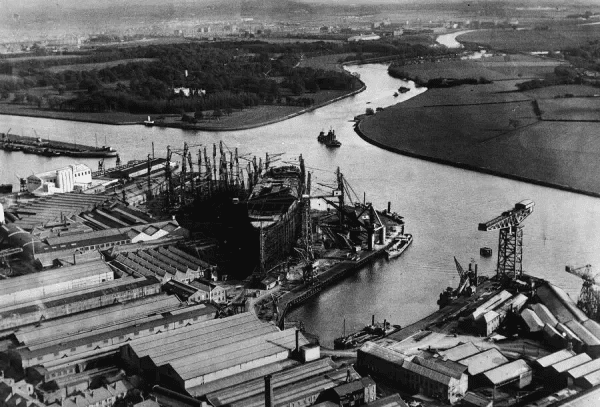
Since Brown Shipbuilding specialized exclusively in military ships, demand plummeted after the war. Orders stopped coming in. The owners, ever pragmatic, decided not to wait for bankruptcy or rust. They quickly put the yard up for sale. It was soon purchased by the Todd Houston Shipbuilding Company.
Despite its reputation, the shipyard never regained its wartime success. Starting in 1946, the new company focused on repairing commercial barges, continuing this work until 1985. It eventually ceased operations. However, in 1961, Todd Houston Shipbuilding won an entirely different kind of contract — a $200 million bid to build NASA’s Manned Spacecraft Center in Houston. The project was completed successfully.
In later years, Todd Houston Shipbuilding fell into financial trouble. To avoid bankruptcy, the company was sold, and ownership eventually returned to its former proprietors under a new name: Brown & Root.
The revived company continued repairing barges and later expanded to service larger ships. However, profits declined, and in 2004, the shipyard was put up for sale again. This time, no buyer appeared, and the land was divided into lots and sold to different businesses.
Scandal and Legal Battles
In the 1990s, the company became embroiled in controversy as former workers filed lawsuits against Brown Shipbuilding. The issue centered on asbestos exposure. During the wartime era, asbestos was widely used in shipyards for its insulation properties — particularly in boiler rooms and hull linings. By the end of the 20th century, it was discovered that prolonged exposure to asbestos caused severe health issues, including cancer.
Because the company had failed to provide adequate protective equipment or even warn workers about the risks, several former employees died from asbestos-related illnesses. These cases were proven in court, leading to numerous additional claims. Ultimately, Brown Shipbuilding was ordered to pay compensation to affected workers and their families.

A Legacy That Lives On
In conclusion, Brown Shipbuilding made a lasting contribution to the development of the U.S. Navy. The ships built at its Houston yard served proudly in missions around the world. Although the company itself no longer exists, its name remains part of naval history. To honor its legacy, the Brown Shipbuilding Industrial Park now stands on the original site — a landmark that symbolizes Houston’s transformation from wartime production to modern industry.