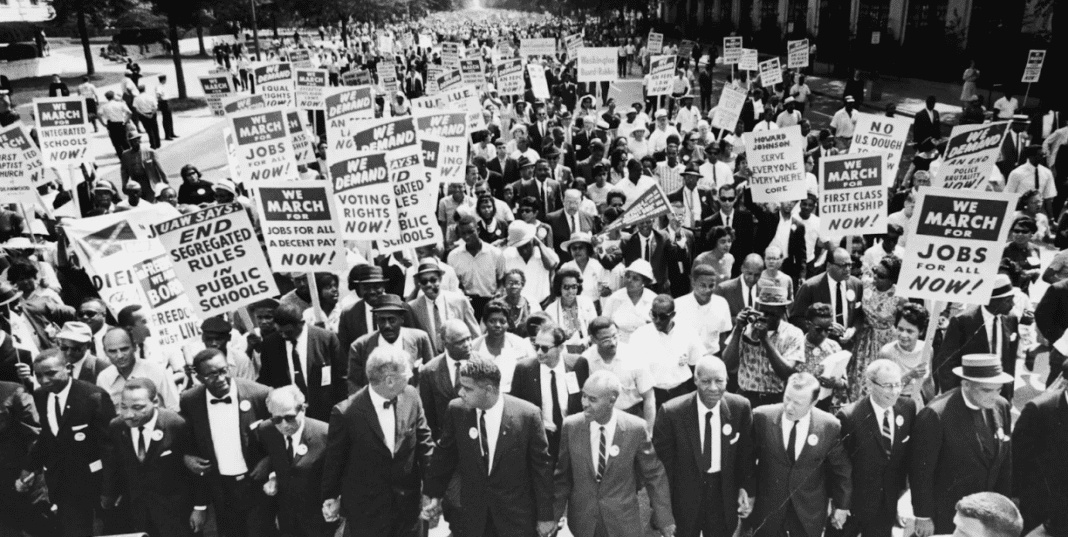

Houston is one of the most diverse and multicultural cities in the United States — but it wasn’t always a place of equal opportunity. Until the 1950s, like most cities in the American South, Houston enforced racial segregation laws. Let’s take a closer look at how the city navigated the long road to change. More on houston-yes.
Separate and Unequal: The Rise of Jim Crow Laws
After the Civil War and the abolition of slavery, the United States faced the urgent question of defining relationships between white citizens and newly freed African Americans. While the U.S. Constitution granted equal rights to all, not everyone agreed with this principle. Many white Southerners, unwilling to accept change, began passing laws to preserve their dominance. These became known as the “Jim Crow laws,” named after a racist caricature from 19th-century American minstrel shows — a symbol of mockery and prejudice toward Black people.
Under these laws, the concept of “separate but equal” was established. On paper, it claimed to uphold constitutional rights — everyone could access public services, but only in segregated facilities. In reality, those designated for African Americans were drastically inferior in quality and resources.
The Jim Crow laws also restricted Black Americans’ voting rights. Many white officials deliberately made voter registration difficult, imposing literacy tests, poll taxes, and other barriers meant to disenfranchise African Americans.
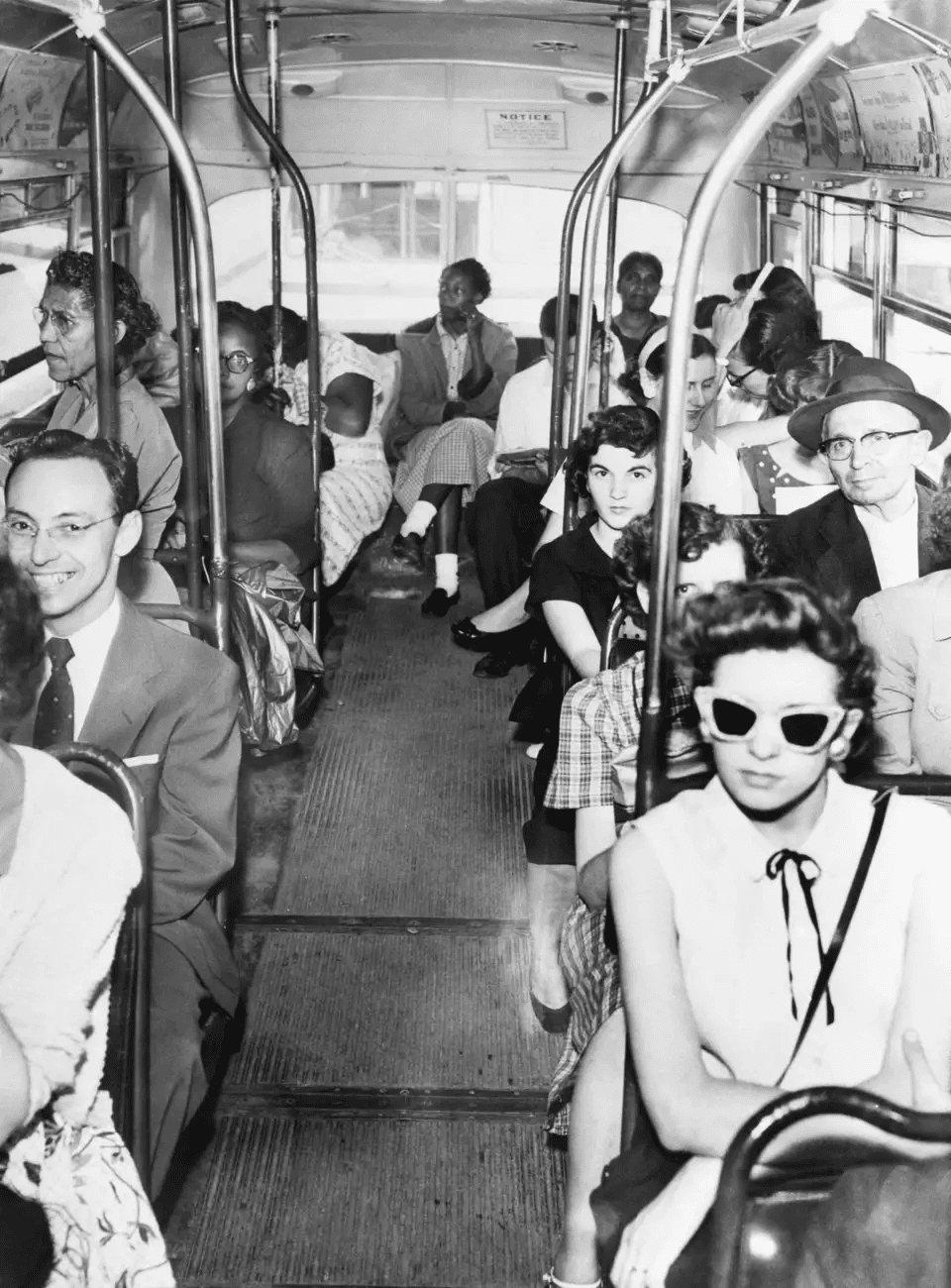
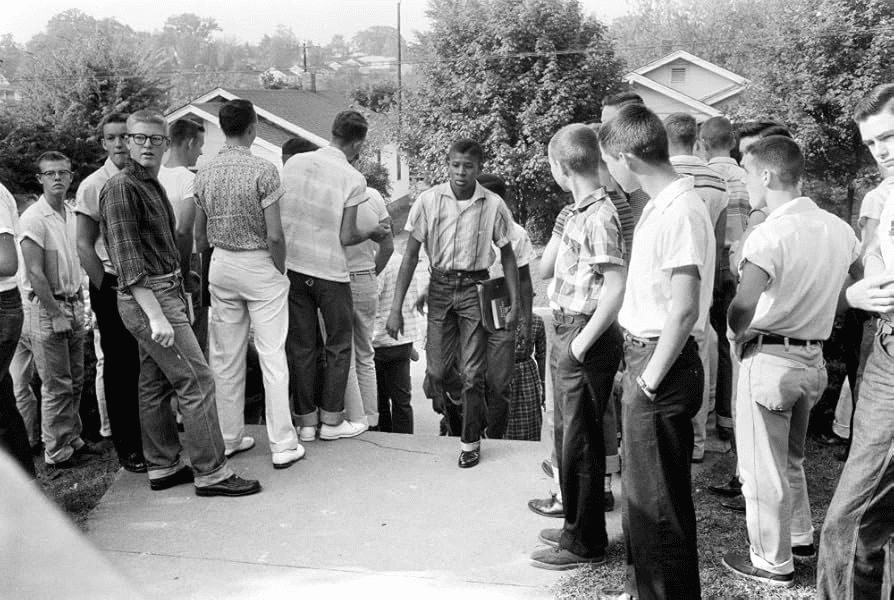
Segregation was most visible in public spaces. Black passengers could ride city buses but only in designated seats — and only if no white passengers were standing. Schools were either racially divided or had separate campuses of vastly unequal quality. Restaurants, hotels, and other establishments frequently denied service to Black patrons. Complaints often went unheard, as the justice system largely ignored such discrimination. The injustices of this era were poignantly captured in Harper Lee’s classic novel To Kill a Mockingbird, which became a defining work in America’s fight against segregation.
Against the Current: Leaders of the Civil Rights Movement
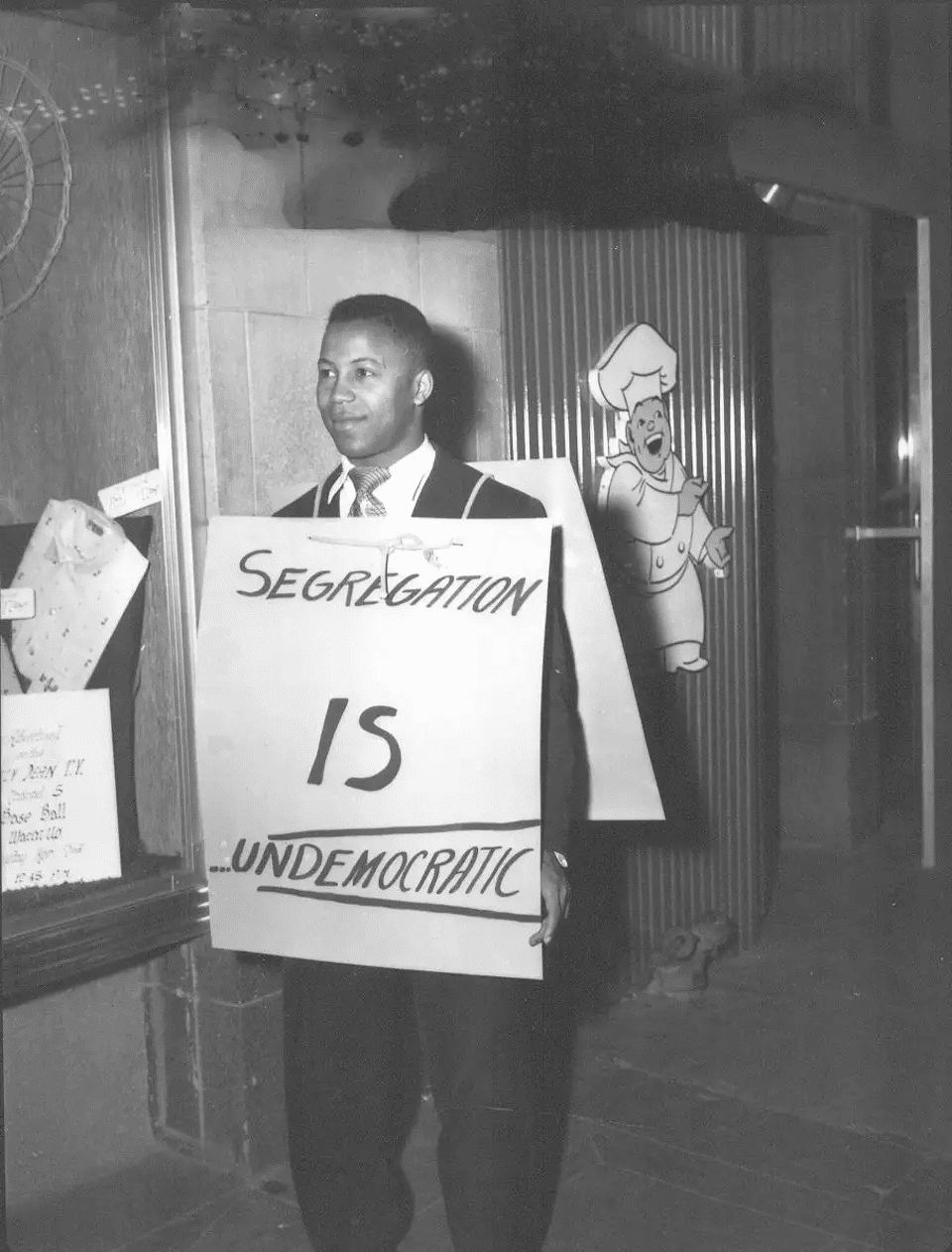
Such injustice could not last forever. The Jim Crow system undermined democracy and fueled racism, deepening the divide between Americans. Over decades, the fight for equality grew stronger and eventually reached its peak in the mid-20th century.
Among the early leaders of the movement was Dr. Martin Luther King Jr., who championed nonviolent resistance. His leadership culminated in the historic 1963 March on Washington, where he delivered his iconic “I Have a Dream” speech — a moment that reshaped the national consciousness.
Another pivotal figure was Rosa Parks, often called “the mother of the civil rights movement.” In 1955, her refusal to give up her bus seat to a white passenger sparked the Montgomery Bus Boycott — a yearlong protest that became a turning point in the fight against segregation.
Not all activists believed in nonviolence. Malcolm X, a powerful voice within the Nation of Islam, urged Black Americans to defend their rights “by any means necessary.”
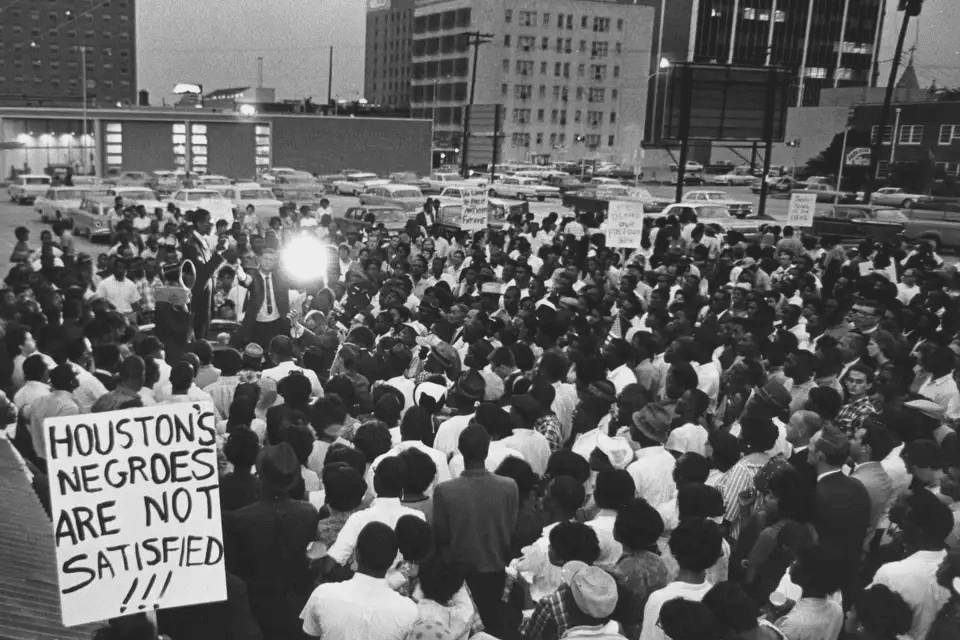
In Houston, where African Americans made up a large part of the population, the civil rights movement took root as well. Barbara Jordan emerged as one of the city’s most prominent leaders — the first Black woman elected to the Texas Senate and later the first woman from Texas to serve in the U.S. Congress. Her eloquence and dedication to justice made her a national figure.
Another key figure was James Nabrit Jr., a Houston attorney and activist who fought segregation in schools and public spaces. His legal work laid the groundwork for desegregation cases across Texas.
By the 1950s and 1960s, protests had gained national momentum. Houston activists like Jack Yates helped build churches and schools for Black communities, while artist John Biggers used his art to challenge racism. Their courage inspired many to defy the status quo and demand justice.
Students also played a vital role. One of Houston’s most notable demonstrations was a sit-in protest organized by Texas Southern University students at Weingarten’s lunch counter — a peaceful protest that attracted national attention.
The Impact of the Civil Rights Movement
Widespread protests and growing public pressure finally forced the government to act. In 1954, the U.S. Supreme Court ruled segregation unconstitutional in Brown v. Board of Education, paving the way for integrated schools. In Houston, desegregation was slow due to local resistance, but by the 1960s, schools began opening their doors to students of all races. Though discrimination persisted, progress had begun.
The Civil Rights Act of 1964 outlawed discrimination based on race, religion, or national origin in public life, followed by the Voting Rights Act of 1965, which abolished barriers that had prevented Black citizens from voting and running for office.
By the late 1960s, the Fair Housing Act prohibited racial discrimination in housing, ending the notorious practice of “redlining,” which had confined African Americans to segregated neighborhoods.
One unique aspect of Houston’s desegregation was its relative calm. Local business leaders sought to avoid the violent clashes that plagued other Southern cities. By 1963, most restaurants, theaters, and hotels voluntarily integrated — making Houston’s path to equality more peaceful than most.
Modern Challenges
While desegregation and civil rights legislation dismantled the legal framework of racism, inequality has not vanished entirely. The legacy of discrimination still lingers in education, employment, housing, and the justice system. Racial disparities and systemic bias remain pressing issues in Houston and across the nation.
Still, progress is undeniable. Houston has grown into a symbol of diversity and opportunity — a place where people of all backgrounds live, learn, and lead together. Yet, the fight for racial equality continues, as the city and the country strive toward the dream envisioned by generations of civil rights leaders.