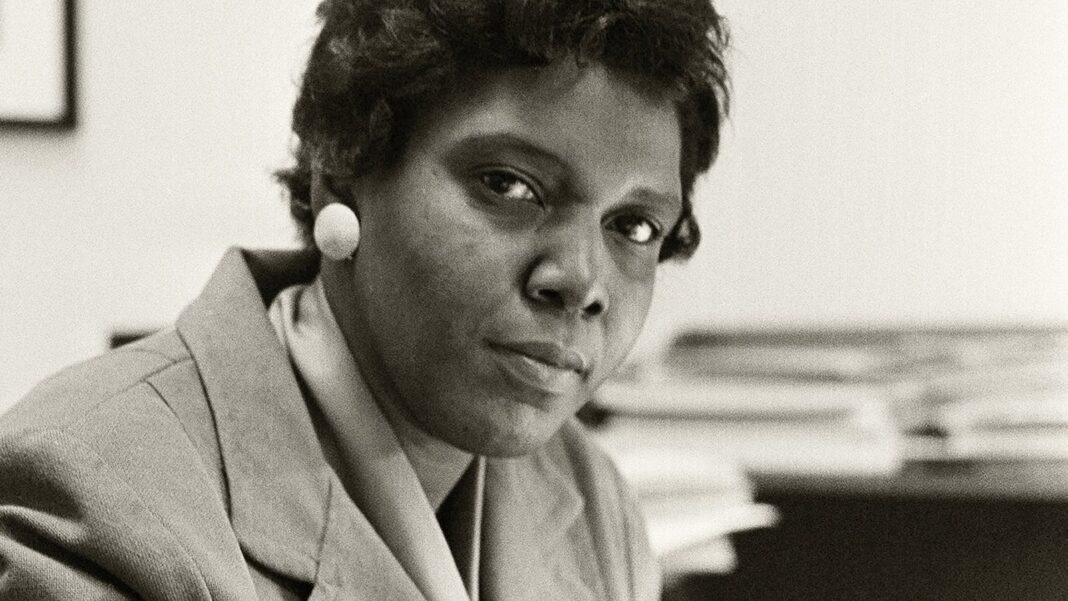

She earned a reputation as one of the best orators of her era. Her persuasive speeches inspired American political leaders to take a deeper look at social issues, stand up for outsiders and fight for the truth. We are talking about Barbara Jordan, an American lawyer, teacher and politician who became the first African American woman elected to the Texas Senate after the Reconstruction and to serve in the House of Representatives. Read more about the life and professional path of an outstanding Houston woman on houston-yes.com.
Lawyer by profession
Barbara was born on February 21, 1936 in Houston to a church teacher and a Baptist preacher. In 1952, she graduated with honors from Phillis Wheatley High School. During her studying years, Barbara was inspired by a speech by Edith S. Sampson, an American lawyer and judge, the first black delegate of the US to the United Nations. Then, she decided to become a lawyer.
Due to segregation, she could not enter the University of Texas (Austin). Instead, she chose Texas Southern University. In college, Barbara studied political science and history and participated in debates with students at Yale, Brown and Harvard universities. In 1959, she received a diploma with honors. At the same time, she graduated from Boston University School of Law. Barbara was one of only two African Americans from Houston to graduate here.
Then, Jordan took the Massachusetts bar exam but moved to Alabama to teach political science at Tuskegee University for a year. In 1960, she returned to her native city to work as a private lawyer.
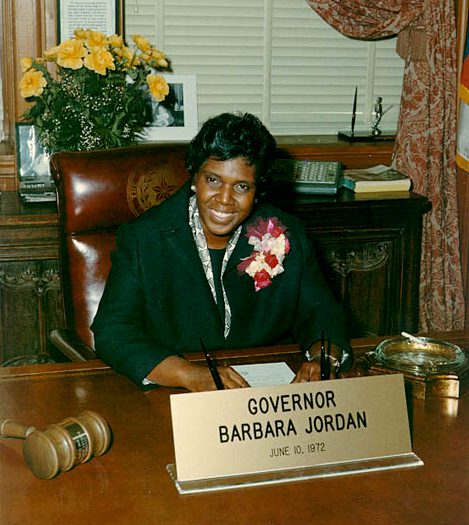
Texas Senator
Overcoming many obstacles in her career, Barbara became the first African American woman in the Texas Senate since the Reconstruction, the period in US history that lasted from 1865 to 1877, after the end of the Civil War.
Through flawless oratory, charismatic leadership and dedication to public service, Jordan has earned a reputation as an effective politician and opinion leader. Jordan’s success in politics was the result of her deep knowledge and adherence to the rules of this sphere.\
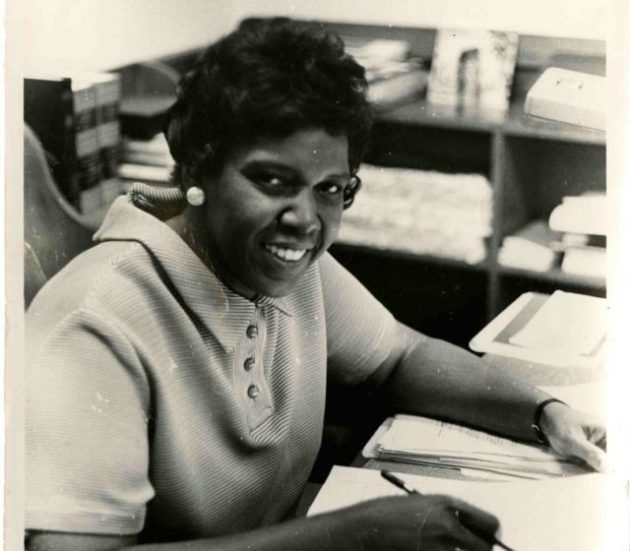
Her legislative work focused on environmental and anti-discrimination cases in government business contracts and municipal law. She was able to attract the attention of US President Lyndon Johnson and was invited for a preview of his 1967 Civil Rights Proclamation.
Member of Congress
Jordan worked in the Texas Senate until 1972. Then, she became the first African American woman to be elected to the US House of Representatives from Texas’ 18th district.
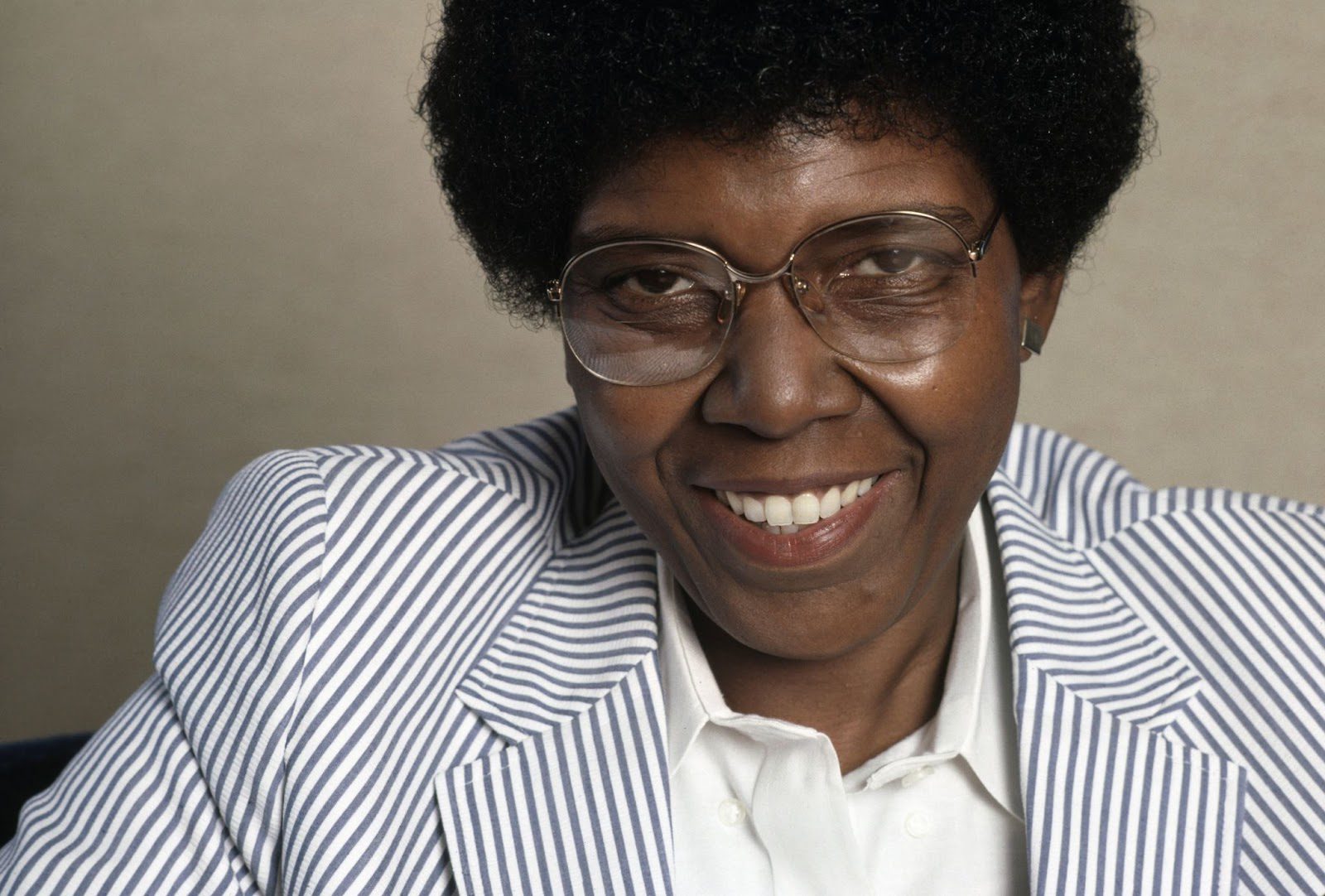
Both as a state senator and as a member of the US Congress, Barbara initiated bills that protected the interests of the poor, outcasts and black people. Thus, in Congress, she contributed to the renewal and expansion of the Voting Rights Act of 1965 to Mexican Americans in Texas and other southwestern states.
Participation in the Watergate hearings
Although Jordan gained a reputation as an effective legislator, she became famous only in 1974 during the Watergate scandal, which resulted in the impeachment of Nixon. The scandal was caused by numerous attempts of the Nixon administration to cover up its involvement in the hacking of the headquarters of the US Democratic National Committee in Washington.
Barbara appealed to the Judiciary Committee regarding Nixon’s resignation. In 1974, she delivered a powerful speech in which she justified the need to impeach the President. It lasted 11 minutes and was broadcasted in prime time by the country’s TV channels. She won national recognition for her thoughtful lecture on constitutional principles.
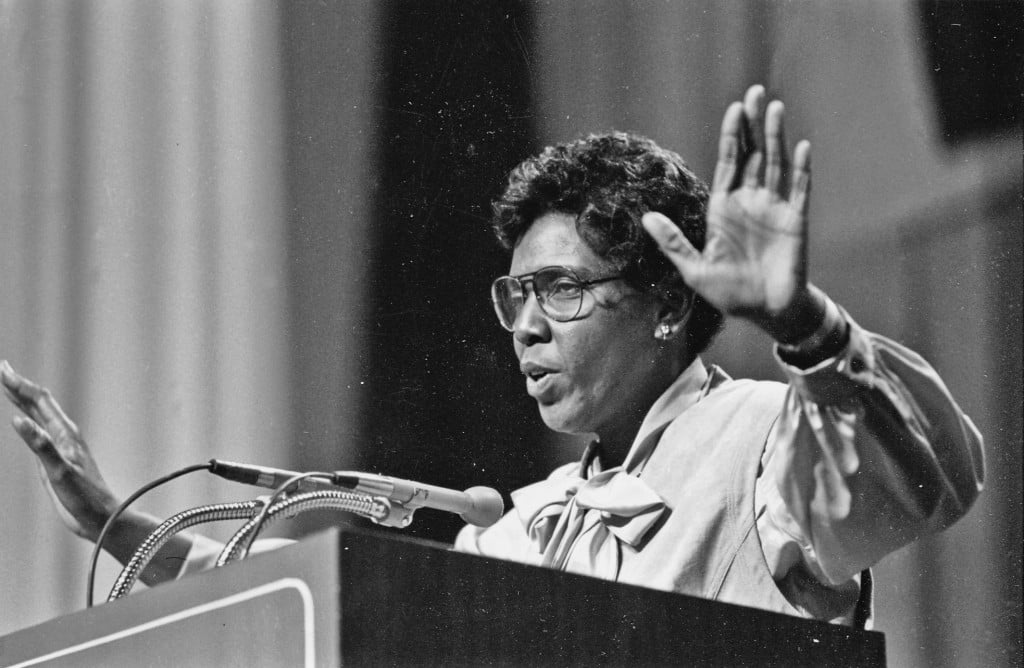
Impressed by Jordan’s eloquence, Democrats chose her to deliver the keynote address at the 1976 Democratic National Convention. Barbara became the first woman and African American to do this. In her speech, she touched on the themes of unity, equality, responsibility and American ideals. In addition, the politician managed to rally followers of Jimmy Carter’s campaign, who was running for the presidency.
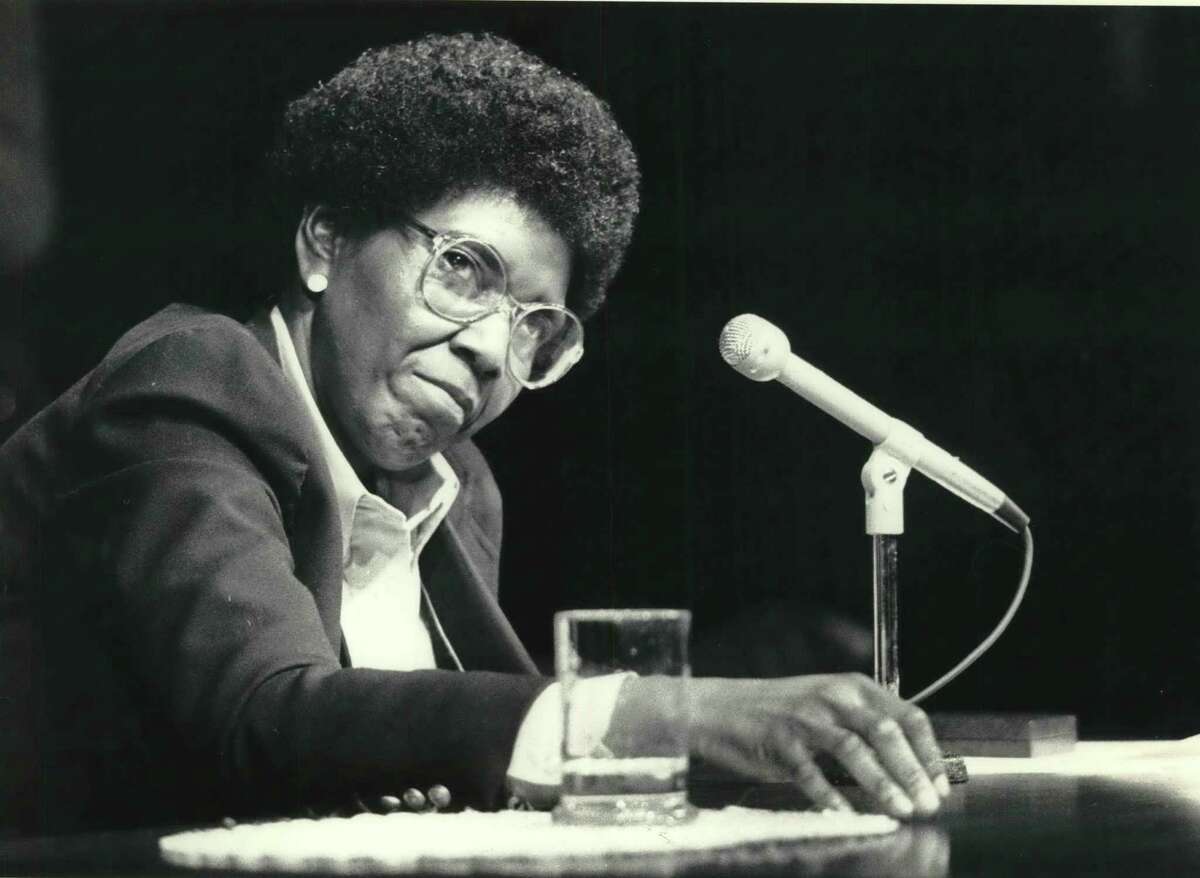
In 1979, Barbara left the US Congress. She gave another keynote speech in 1992 being in a wheelchair because of multiple sclerosis.
An inborn teacher
After her political career, Jordan taught at the Lyndon B. Johnson School of Public Affairs at the University of Texas. She used her experience and enormous intellectual potential to teach students social affairs and ethics. Barbara always tried to convey the idea of justice and equality, which she considered two fundamental principles of America.
Students loved her sense of humor and unique teaching style. Barbara’s seminars and lectures have become some of the most sought-after on campus due to her passion for the subject. Barbara taught at the Lyndon B. Johnson School of Public Affairs for 17 years until her death.
LGBTQ+ representative
While working in the Texas Senate, Jordan met Nancy Earl, with whom she later began a romantic relationship. Barbara and Nancy lived together in a house they had built in Austin. They spent decades loving and caring for each other. However, the couple’s relationship became known only after Jordan’s death.
On the advice of politicians, the woman hid her lesbian identity from the public. At that time, the image of an LGBTQ+ representative could harm her political ambitions so she decided to keep the details of her personal life a secret.
Since then, leaders of the non-traditional community have worked tirelessly to change the public perception of lesbian, gay, bisexual and transgender women. Jordan was an inspiration and a role model. Her bravery and influence cannot be overstated.
Death and memory
Jordan died of complications from pneumonia and leukemia in 1996, at the age of 59. She was buried in the Texas State Cemetery. During her life, the woman repeatedly fought for African Americans to be buried there.
The news of the politician’s death caused a nationwide outpouring of emotions and respect. The media covered her biography and contribution to the lives of Texans for several days. Educational institutions and public organizations also honored her. Memorial events were held on the campus of the University of Texas. They began with a march from the university tower to the library, where her body was lying.
A year after the death of the Houstonian, students organized the Barbara Jordan Memorial Forum. The event has become annual and aims to highlight racial diversity in public policy and show ordinary citizens how they can make positive changes in their communities.