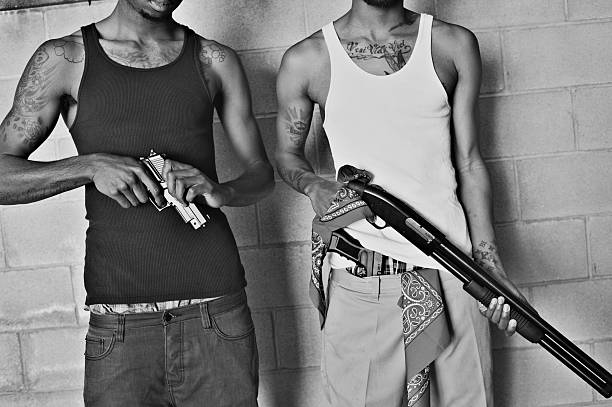

Today, Houston is synonymous with oil rigs and space technology, but this bustling metropolis once had a different kind of fame: its wild and often dangerous criminal underworld. Forget the polished gangsters of Chicago or New York. Houston’s crime scene had its own unique, gritty, and pragmatic character, shaped by its port city status, the oil boom, and its proximity to the border. This is a story of shadows lurking in the streets, where law and order were more like suggestions than strict rules. We’re diving into those turbulent times right here on houston-yes.
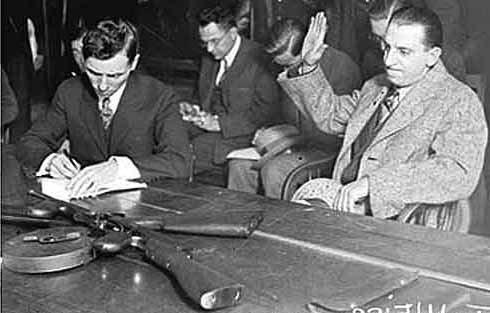
From Smoky Saloons to Corrupt Streets
In the early 20th century, Houston was a true Texas “cowboy” town. Its rapid economic growth attracted not only hardworking immigrants but also a host of adventurers, cardsharps, con artists, and outright criminals. The city teemed with smoky saloons, underground gambling dens, and brothels, which often served as mere fronts for more serious operations.
The areas along Buffalo Bayou, home to the port, were particularly notorious. The docks were a constant magnet for contraband, from alcohol during Prohibition to drugs and illegal goods flowing in from Mexico and by sea. This chaos fueled the criminal underground, making the city a pretty dangerous place for law-abiding citizens back then.
Amidst this chaos and relative impunity, figures emerged and solidified their power. While not always “godfathers” in the Hollywood sense, they controlled significant segments of the criminal world. They built networks of influence, bribed officials and police, securing their immunity from the law. These operators turned illegal trade and “sinful” establishments into profitable businesses, often intertwining them with the legitimate economy. This created a complex web of corruption that permeated the city, from the smoky saloons to the crooked offices, making Old Houston a true battleground between law and lawlessness. And, of course, at the top of this criminal iceberg, there had to be someone pulling the strings.
Prohibition and the Rise of Bootleggers
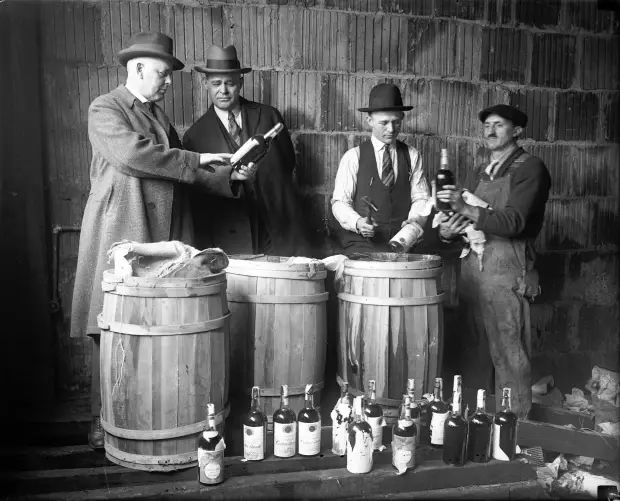
The Prohibition era (1920-1933) was a golden age for organized crime across America, and Houston was no exception. The ban on alcohol production and sales created a massive black market, attracting a myriad of entrepreneurial, albeit illegal, operators. Local criminal groups controlled illicit breweries, distilleries, and speakeasies.
One of the central players during this period was Billy Franklin. Franklin wasn’t just a bootlegger; he was a major operator, believed to have significant connections with the police and city officials. His name frequently popped up in connection with supplying alcohol throughout Texas and neighboring states. His influence was so considerable that he could operate relatively openly, a clear sign of the level of corruption and cronyism in the city.
Another notable figure was Leavitt Mills, famously known as “The Pistol-Packing Man”. Mills was not only a bootlegger but also ran gambling dens and brothels. His activities were more brutal, and he wasn’t afraid to use violence to achieve his goals. He was one of those who used brute force to assert control over criminal territories.
The Heart of the Vice District
Even after the repeal of Prohibition, gambling and prostitution continued to thrive in Houston, often with the tacit approval of local authorities. Areas like Freedmen’s Town, as well as parts of downtown, were known as hubs for illicit entertainment.
Among those who controlled these shadowy businesses were not just “gangsters” in the classic sense, but also influential “madams” and saloon owners who ran networks of brothels and gambling houses. Their influence often extended to the police, who received regular “kickbacks” for looking the other way. The exact names of all the “kings” and “queens” of this business are often lost to the archives, as their activities were clandestine, but their impact on the city’s social and economic life was undeniable.
Gangsters and Their Reach
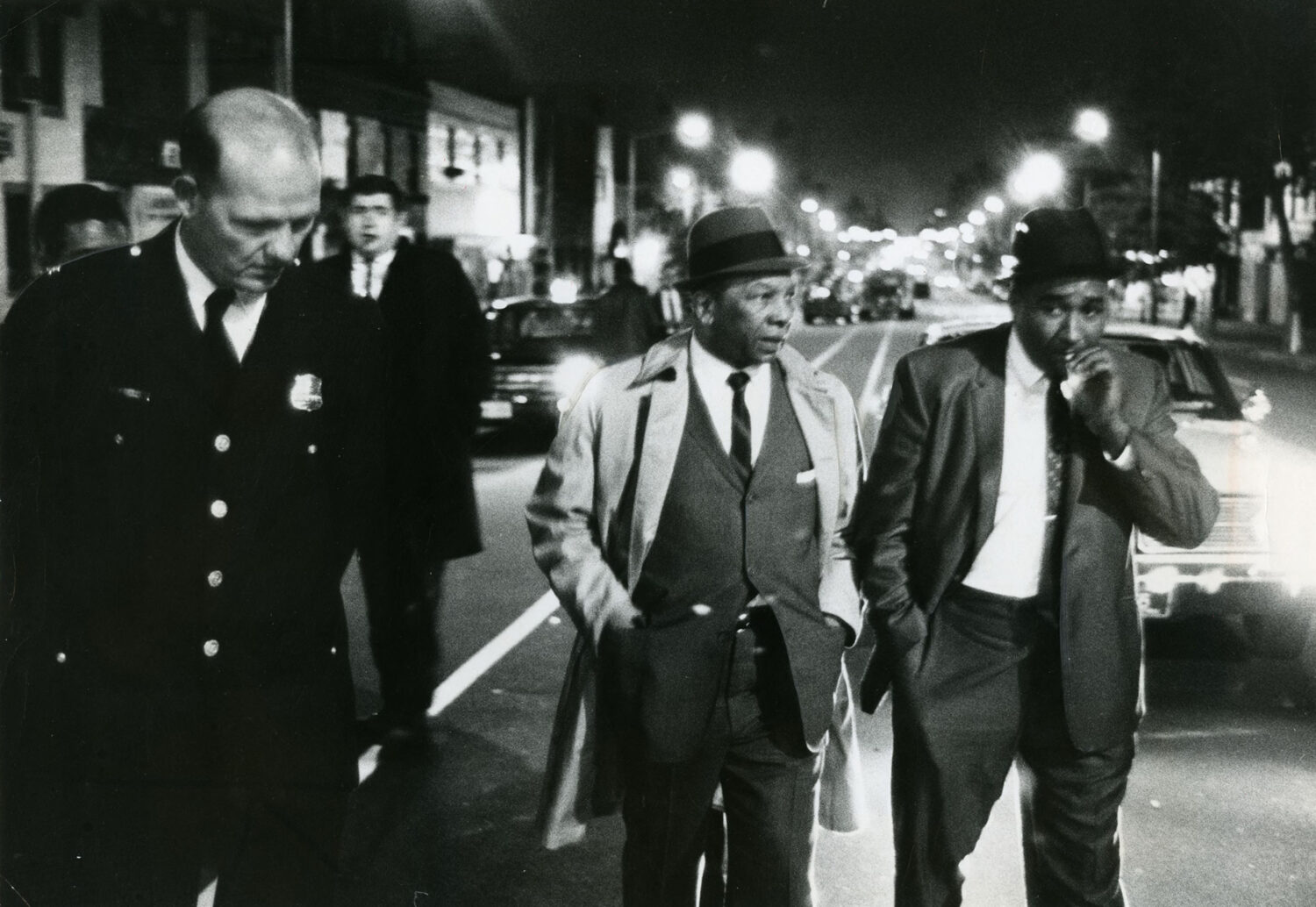
While Houston didn’t have iconic figures like Al Capone or Lucky Luciano, it had its own, equally dangerous, criminal leaders and groups. They controlled illegal alcohol, narcotics, prostitution, and gambling. Interestingly, these “bosses” often didn’t limit themselves to the criminal underworld, but had significant influence on local politics and law enforcement.
Corruption was so widespread that the line between legality and lawlessness became incredibly blurred. Police officers and officials were often on the payroll of criminal elements, providing them with immunity from prosecution and allowing their businesses to flourish.
Here are some defining characteristics of Old Houston’s criminal underworld:
- Pragmatism and Flexibility. Houston’s gangs were less hierarchical than, say, the Italian Mafia, and more focused on the opportunities presented by the rapidly growing economy. They quickly adapted to changing market conditions, concentrating on the types of crime that yielded the most profit at any given moment.
- Close Ties to Corruption. Crime thrived thanks to bribes and agreements with local officials and police. Corrupt connections were so deep that they often allowed criminals to operate almost openly, protecting them from prosecution.
- Smuggling as a Key Industry. The port location and proximity to borders made Houston an ideal hub for illegal goods trafficking. This applied not only to alcohol during Prohibition but also to other commodities that could be profitably moved across the border or by sea.
- Gambling and Prostitution. These areas were primary sources of income for many groups. Underground casinos, card clubs, and brothels provided a constant flow of cash, becoming important “institutions” of the shadow economy.
- Local “Kings.” Instead of large national syndicates, influential local figures controlled specific segments of the illegal market. These individuals built their small but strong empires, relying on personal connections and control over particular areas or types of activity.
- Relative Decentralization. Unlike cities with dominant mafia families, Houston’s criminal underworld was more fragmented. Different groups and individual criminals might compete, but also cooperate, depending on mutual benefit.
- Brutality and Quick Conflict Resolution. Houston’s criminal underworld often resolved conflicts through violence, which was a common occurrence. Clashes over territories or control over lucrative schemes could quickly escalate into armed confrontations.
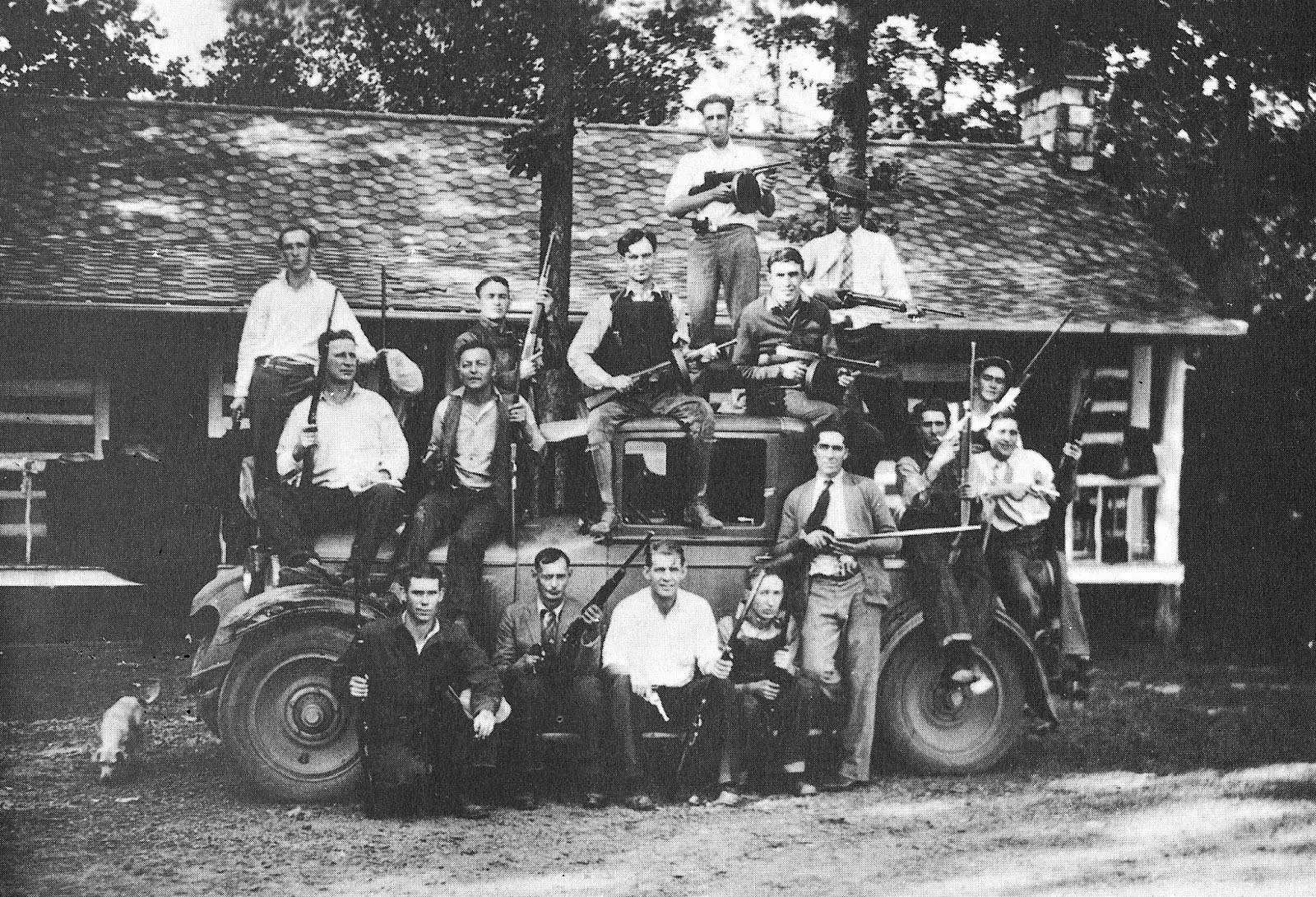
Fighting Crime
However, not everyone accepted this state of affairs. City authorities and some honest police officers still tried to combat crime. Yet, it was an extremely difficult struggle due to deeply ingrained corruption and the influence of criminals. The situation only began to change later, as public pressure grew and federal agencies started to intervene more actively in local affairs. Gradually, with the strengthening of law enforcement, changes in the political climate, and the city’s development, the criminal underworld of Old Houston began to lose its grip.
The End of an Era
By the 1940s, with a shift in the political climate and increased federal pressure on organized crime, many old schemes began to crumble. The local gangster elite either retired or were forced to go deep underground to avoid prosecution. Houston, like many other American cities, gradually transitioned from the relatively chaotic crime of the Wild West and Prohibition eras to more structured, but less visible, forms of organized crime.
The history of crime in Old Houston is a complex mosaic, featuring not only outright bandits, but also individuals who exploited legal loopholes and societal vices. Their names might not be as famous as some of their northern counterparts, but their impact on the shaping of Houston during that time was undeniable.