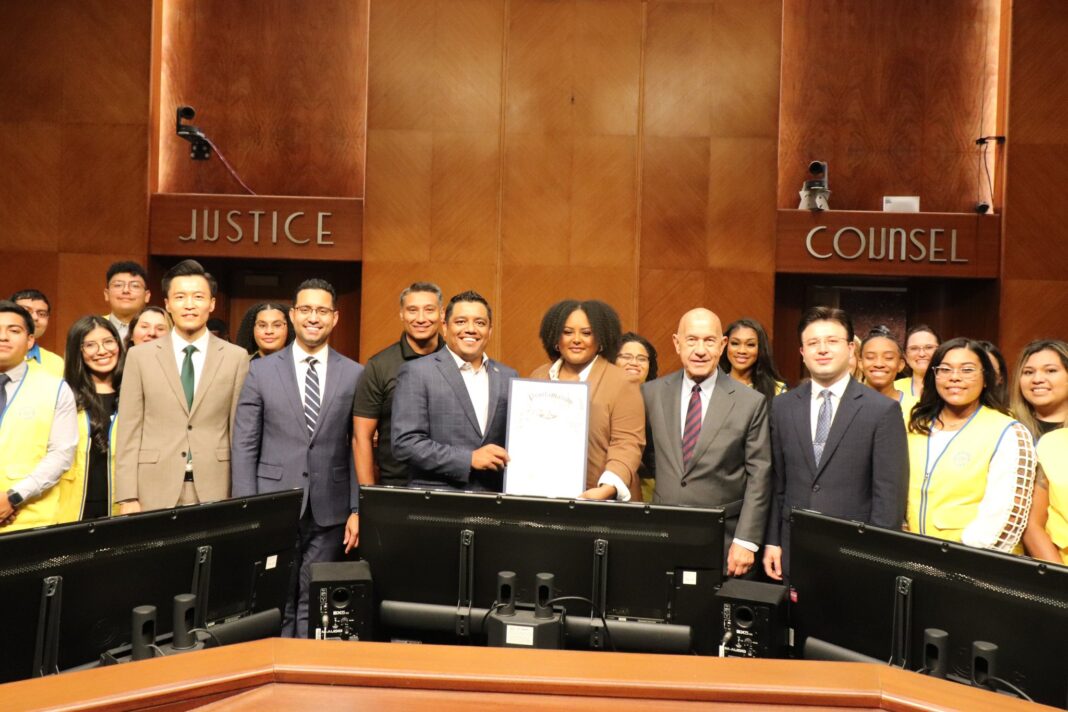

Houston has always been known for its religious diversity, with over 3,000 religious communities coexisting within the city today. In its early years, the church played a crucial role in social welfare. However, after the 1950s, a push for secularization led to a decrease in government support for church-led projects. Recently, under Mayor John Whitmire’s administration, a renewed, open dialogue with religious communities has emerged, extending beyond traditional Catholic and Protestant structures. Houston-yes.com dives deeper into this evolving dynamic.
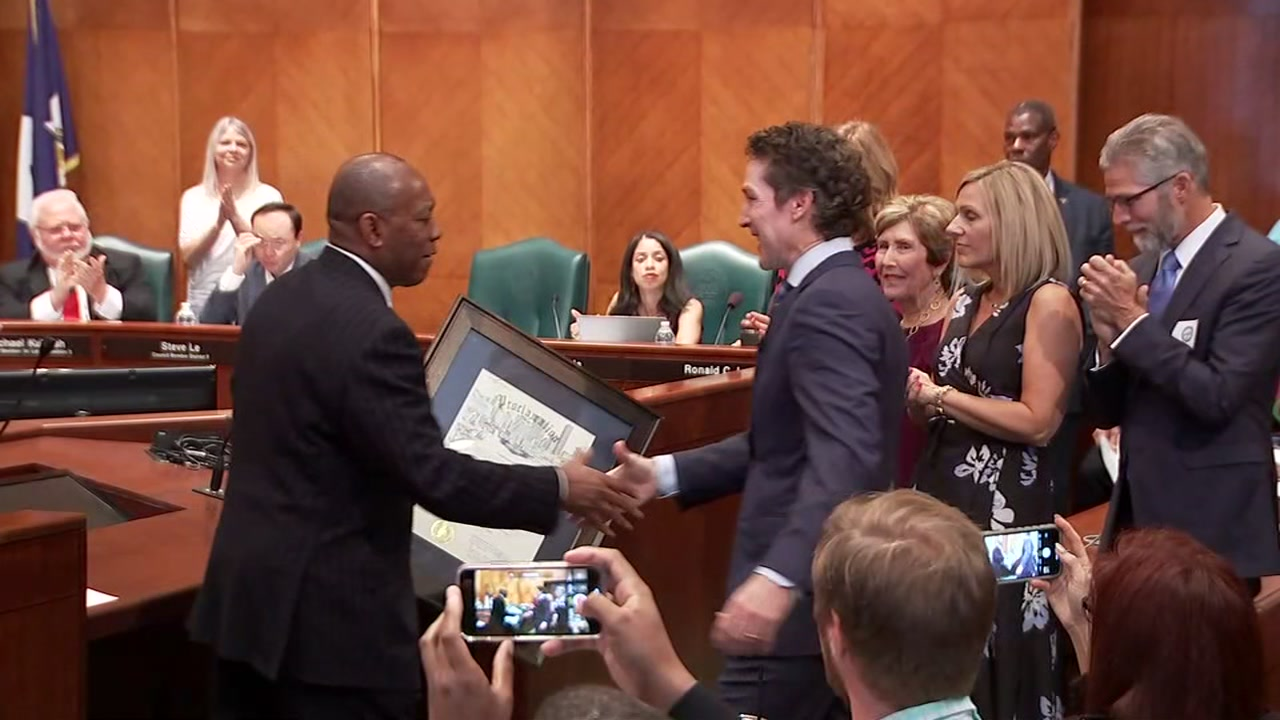
Engaging Religious Organizations to Tackle Social Issues
In today’s bustling metropolis, social challenges demand innovative solutions and collaboration from various institutions. Houston offers an intriguing approach by actively involving religious organizations in addressing critical urban problems. These aren’t just empty promises; they’re concrete programs that receive funding and deliver tangible results.
One such key initiative is the “Faith-Based Neighborhood Revitalization” program, operating under the Mayor’s Office of Aid. Its goal is to harness the significant potential of local church communities to improve the quality of life city-wide. The program covers a wide range of activities: from cleaning up neglected lots, which often become havens for trash and illegal activities, to directly supporting low-income residents. Moreover, churches are becoming vital centers for counseling and assisting refugees arriving in Houston. At the program’s outset, the city allocated approximately $2 million from reserve funds, demonstrating a serious commitment and trust in this partnership.
A practical example of successful collaboration was the involvement of churches in combating the pandemic. During a time when access to medical services was critically important but often difficult, churches became reliable partners in providing vaccinations and testing. In areas known for being less safe, such actions proved to be strategically vital. Religious centers often have deep community ties, enjoy public trust, and are conveniently located for residents. A prime illustration of this is the situation in the Sunset Heights neighborhood, where vaccination sites were organized in three major church centers. This collaboration led to over 8,000 residents being vaccinated—a significant achievement that highlights the effectiveness of this approach. It allowed for outreach to population groups who might have struggled to access traditional medical facilities.
Engaging religious organizations in city social programs has proven to be an incredibly effective tool. It has not only allowed for the efficient use of resources and expansion of social services but also energized the community by leveraging existing structures of trust and mutual aid. Naturally, such collaboration requires transparency and clear role definitions, but as Houston’s example shows, the results are well worth it.
Specific Cases and Outcomes
“Neighborhood Clean-Up Day” Project: Quarterly street clean-ups are organized with churches and the county department. This initiative removes 20 tons of trash annually and engages over 500 volunteers.
Housing Support: The Dominion Community Development Corporation, founded by Thomas Jones, has renovated 45 homes in South Houston with grant support from the mayor’s office, totaling over $2.5 million.
Multicultural Events: The mayor’s office hosts an annual Interfaith Day, where a diverse team of representatives from various Christian denominations collaborates on joint initiatives.
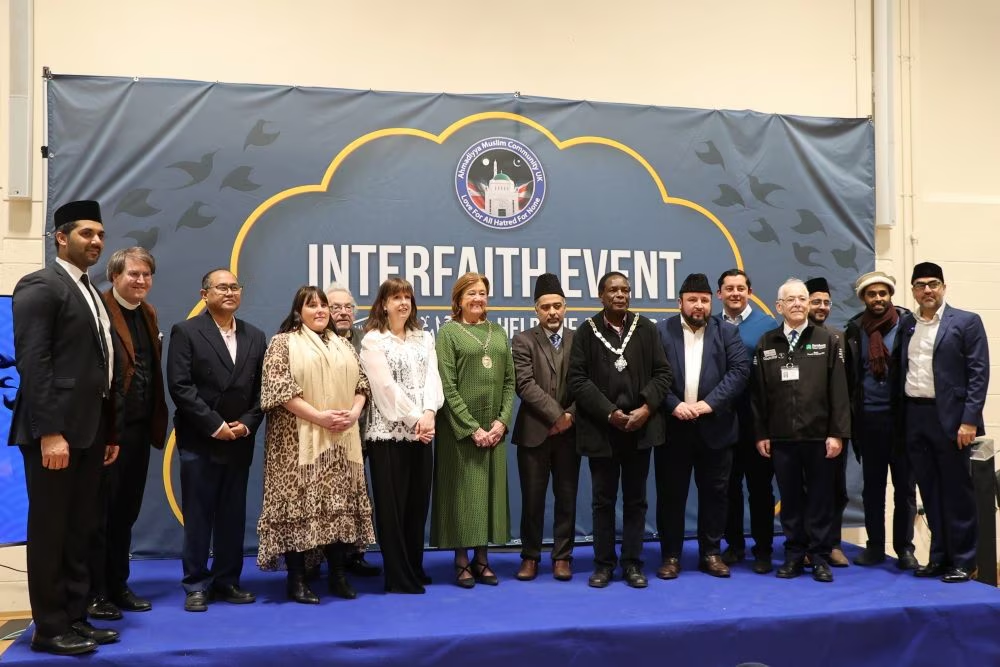
Interfaith Day of Unity: Houston is one of the most diverse cities in the U.S., and the mayor’s office actively supports initiatives that foster intercultural and interreligious understanding. The annual Interfaith Day, hosted by the mayor’s office, provides an excellent opportunity for a broad ecumenical team of representatives from various Christian denominations and other faiths to gather and implement joint initiatives. These events can include collaborative charity projects, cultural performances, or discussions that promote dialogue and mutual respect among the city’s diverse communities.
Food Security Programs and Food Banks: In response to food insecurity, especially in underserved areas, the city actively partners with churches and other religious organizations to establish and support food banks and distribution programs. Many churches already have their own kitchens and volunteer networks, making them ideal partners for such initiatives. They not only distribute food but often offer hot meals and social support, helping thousands of Houston residents in need each month.
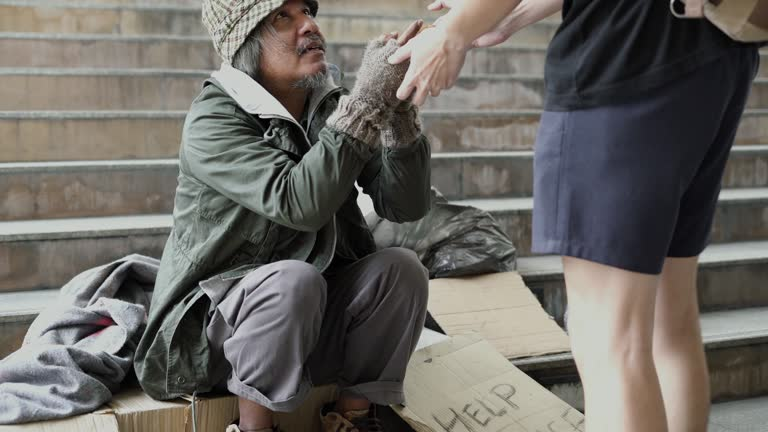
Homeless Support and Shelters: Combating homelessness is a top priority for Houston. The city works closely with religious organizations that have managed shelters for this social group and provided transitional housing services for many years. City support enables the expansion of these shelters, ensures adequate living conditions, and offers employment counseling and medical assistance. Churches are often the first point of contact for people in distress, offering not only shelter but also hope.
Educational and Mentorship Programs for Youth: Many Houston church communities have launched their own educational and mentorship programs, focusing on children and teenagers from disadvantaged backgrounds. With city support, these programs provide after-school tutoring, homework assistance, developmental workshops, and mentorship. This helps young people avoid negative influences, improve their academic performance, and find positive role models, opening up new opportunities and prospects for them.
Crisis Centers and Psychological Support: In times of crisis, whether natural disasters or personal tragedies, religious organizations often become a pillar of support for the community. Houston collaborates with churches that function as crisis centers, providing temporary shelter, food, and emotional support to those affected. Many of them also offer free consultations with psychologists and social workers, helping residents cope with trauma and stress. This support network is crucial for the city’s resilience and its ability to respond to challenges.
These examples demonstrate that the partnership between city government and religious communities in Houston is vital for addressing many social problems. It’s an effective model that leverages the unique capabilities of churches—their networks, volunteer resources, and deep community ties—to bring about real, positive changes in residents’ lives.

Challenges and the Neutrality Conundrum
Lawyers and community groups have raised questions about the limits of government funding for religious organizations. Currently, the mayor’s office has implemented independent monitoring: budget funds are channeled through the “City Grants Office” and are allocated exclusively to projects—without direct religious interventions.
Ensuring dialogue with underrepresented communities is also crucial: Muslim, Hindu, and Buddhist communities are simultaneously expressing their desire to be involved in interfaith initiatives.
Key Takeaways
- Strength of Partnership: City Hall and churches collaborate on social services, education, and crisis response programs.
- Public Trust: Churches help convey city initiatives to underserved populations and immigrants.
- Legal Sensitivity: The mayor’s office upholds freedom of religion and a non-discriminatory approach, funding only secular initiatives.
- Developing Inclusivity: Initiatives are underway to broaden minority participation, reflecting a commitment to maximum community outreach.
As we’ve seen, the collaboration between local authorities and churches in Houston represents a modern, multi-faceted strategy for social development. The focus isn’t just symbolic support but real assistance during crises, improved access to social services, and enhanced social cohesion. Despite legal constraints, the city has shrewdly chosen a model that balances governmental neutrality with religious community mobilization.