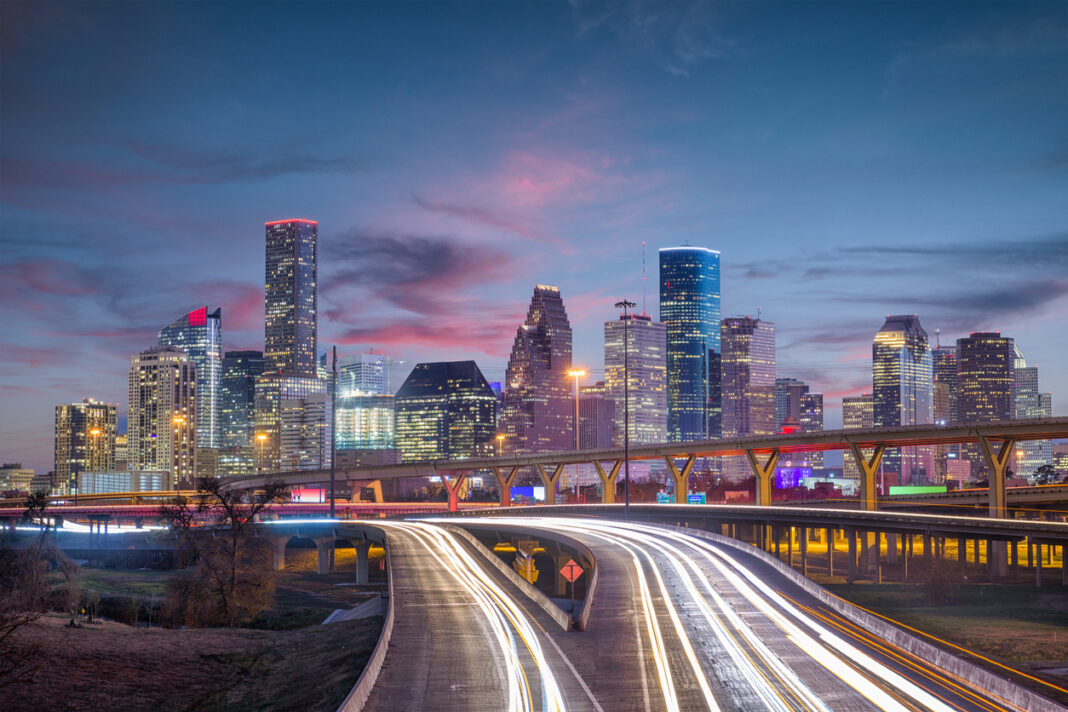

Safety in a major city is a constant challenge, demanding not only swift solutions but also a farsighted strategy. When John Whitmire took office as Houston’s mayor in early 2024, he inherited a city grappling with a complex crime situation that concerned both residents and businesses. On houston-yes, we’ll take an honest look at the approaches and strategies the city administration has chosen to ensure safety, and whether they’ve managed to turn the tide without a lot of fanfare or grand pronouncements.
Prioritizing Safety and Staffing Reforms
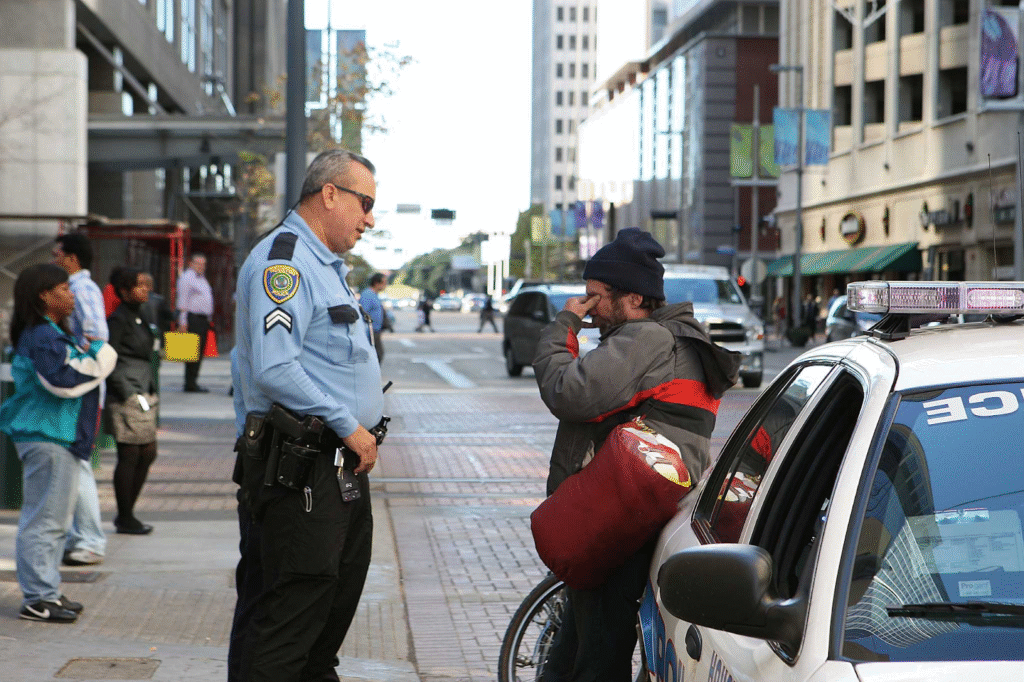
From day one, Mayor John Whitmire set his sights on a primary goal: resolving the staffing crisis within the Houston Police Department (HPD). In just seven weeks after taking office, thousands of sexual assault cases that had previously gone uninvestigated were opened. The mayor immediately initiated personnel changes, appointing former Texas Ranger Noah Diaz as the new police chief.
Over the past year, more than 400 new recruits have joined the HPD. This was made possible by a revised approach to police officer salaries, including one-time payments of over $10,000 during their first year of service. Additional bonuses and benefits were also introduced.
A five-year “Generational Contract” was approved, providing for an overall 36.5% salary increase: 10% in 2025, followed by 8%, 6%, and 6.5% annually. The starting salary for new officers reached $81,600.
Strategic Expansion and Interagency Coordination
Houston city authorities have actively ramped up their efforts to enhance safety, focusing on two key areas: increasing the police force and improving coordination among various law enforcement agencies.
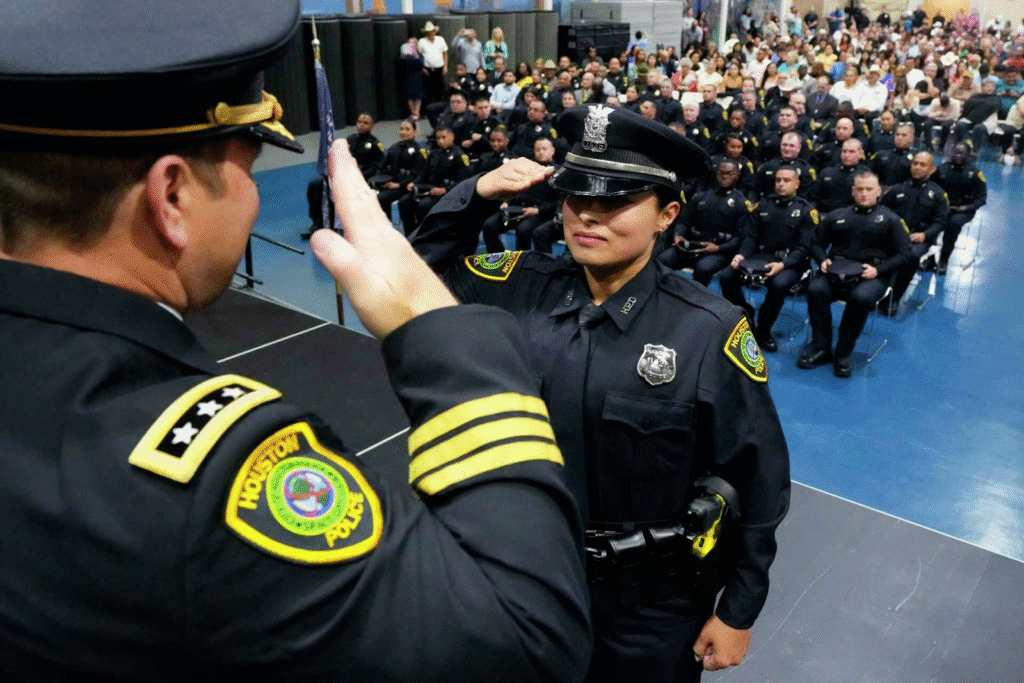
To respond more effectively to crime, the city allocated a significant budget, allowing for the hiring of approximately 1,200 additional officers. This substantial reinforcement aims not only to fill current vacancies but also to boost police presence on the streets, which is crucial for crime prevention.
In addition, Houston’s mayor initiated a comprehensive review of criminal cases. In response to tens of thousands of unsolved cases, a special team of 100 experienced detectives was brought in. Their task is to thoroughly examine both old and new criminal cases to accelerate investigations, hold culprits accountable, and ensure justice. This step demonstrates the mayor’s determination to tackle the backlog of crime.
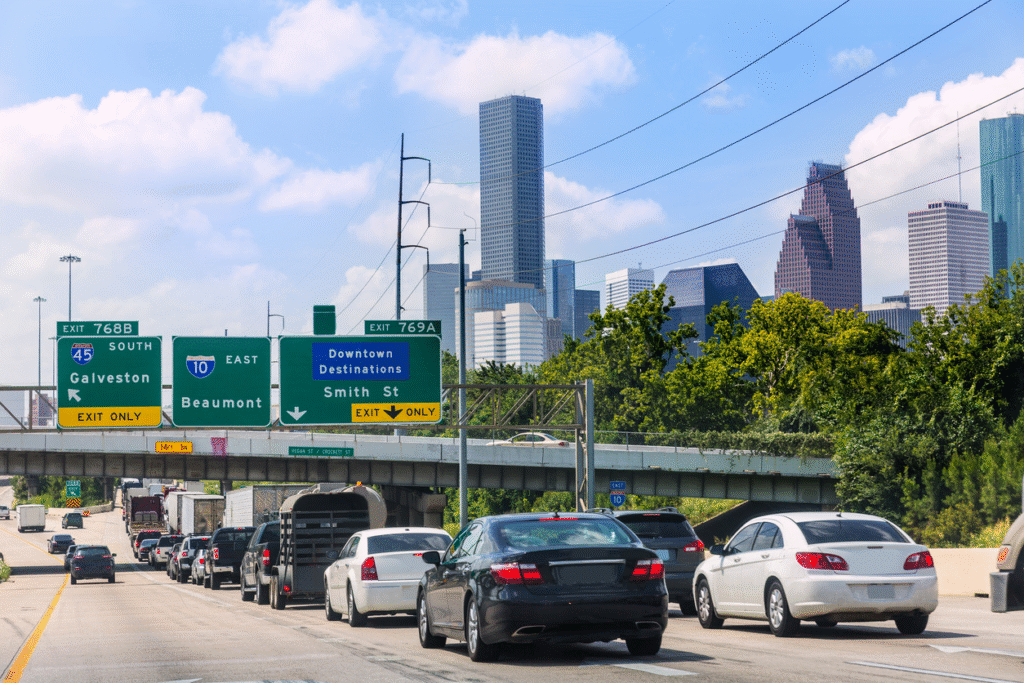
Particular attention was paid to addressing issues on Houston’s roads. The city police, facing an increase in traffic incidents, received support from state patrols. This means that teams of city and state law enforcement now work together on Houston’s highways, allowing for more effective response to violations and improved road safety. A prime example of this collaboration is the “No-Refusal Weekend” initiative. Under this program, an agreement was forged between local Houston police and several other county and state law enforcement agencies. This has intensified efforts to combat drunk driving on weekends and ensure a swift response to potential threats.
Traffic Safety and Public Order
At that time, Houston actively began working to improve road safety, especially at night, through special raids and the creation of new police units. Enhanced raids were conducted on city roads, particularly on major thoroughfares like I-45, US-59, TX-288, and South Loop. In two days of such operations, over 300 drivers were ticketed for various offenses, including speeding, dangerous lane changes, and driving under the influence. These measures aimed to reduce accidents and improve road discipline. The mayor personally participated in these raids alongside city and federal police to demonstrate support for these initiatives.
Beyond road safety, authorities also focused on maintaining order during the day and particularly at night. The Houston Police Department established a special unit, informally dubbed the “club squad.” Its purpose is to monitor noise, parking issues, and litter near bars in the Third Ward and Midtown areas. Previously, these issues were a major source of complaints from local residents, so the creation of this unit aims to address these problems.
The Midtown area also saw the implementation of the Directed Targeted Enforcement Program (DTEP). Under this program, police purposefully patrolled and monitored situations in known “hot spots.” The results of this program are impressive: since May 2024, in Midtown alone, over 113 arrest warrants have been issued, more than 100 traffic citations given, weapons and drugs seized, and 32 arrests made. This demonstrates the police’s active work in maintaining order and fighting crime in specific areas.
METRONow and Emergency Preparedness
In February 2025, Houston launched a new program called METRONow, investing $7 million in public transportation safety. These funds were allocated to hiring new Police Chief Ben Tina, improving lighting, and installing additional cameras. By the end of 2025, 350 new buses and 100 MetroLift vehicles were also slated for purchase, along with an expansion of the micro-transit system. This would allow for crime prevention directly on routes, enhancing passenger safety.
Given the city’s constant threat from natural phenomena, Mayor John Whitmire initiated the implementation of the AlertHouston notification system. It enables emergency messages to be sent via SMS, email, and voice messages in English, Spanish, and other languages. However, as of May 2023, less than 9% of the city’s residents were registered in this system.
The Office of Public Safety houses several key structures: the Emergency Management Office, the 911 center, and the Emergency Response Center. Additionally, CERT (Community Emergency Response Team) programs and a crisis preparedness school were launched, educating the public on actions to take during emergency events.
Responding to Natural Disasters
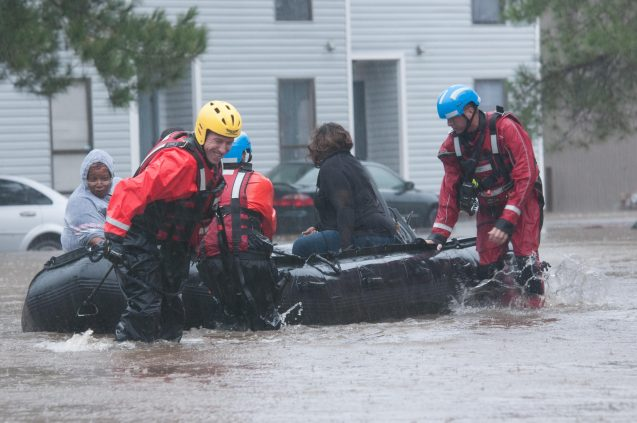
Following the destructive Hurricanes Beryl and Derecho, the mayor’s plan allocated $315 million for city reconstruction. The initial lack of housing for those affected drew public criticism. In response, an additional $50 million was allocated for housing repairs: $30 million for multi-family dwellings and $20 million for individual repairs. The implementation of these programs is scheduled for Fall 2025 – Spring 2026.
Comparative Safety Analysis: Houston, Dallas, Austin
| Parameter | Houston | Dallas | Austin |
| Population (approx.) | 2.3 million | 1.3 million | 970 thousand |
| Overall Crime Index | Highest in Texas; 3.2% increase (2019–2023) | 9.4% increase (2019–2023) | 9.4% increase (2019–2023) |
| Violent Crimes (per 1,000) | 4.01 (2024) | ~7.8 | ~4.0 (0.4%) |
| Homicide Cases (2024) | 322 (-9% from 2023) | Fluctuations 246–251 for 2020–23 | — |
| Property Crimes (per 1,000) 2024 | 23 | 38 | 31 |
| Traffic Safety Updates | METRONow, highway raids, 16% reduction in auto thefts | 15% reduction in auto thefts | 16% reduction in auto thefts |
| Overall Trend | Drop in homicides, but 4–9% increase in violent crimes | Gang issues, stabilization of homicides | Generally safer than Houston/Dallas |
Conclusion
Mayor Whitmire has adopted an honest and multifaceted approach, ranging from financial incentives and staff expansion to technological innovations and interagency coordination. The allocated funds are truly aimed not just at “creating an image of safety” but at fundamental changes concerning repairs, patrols, transportation, and emergency response. However, the city still faces the challenge of ensuring effective public outreach—especially within Houston’s multicultural context.